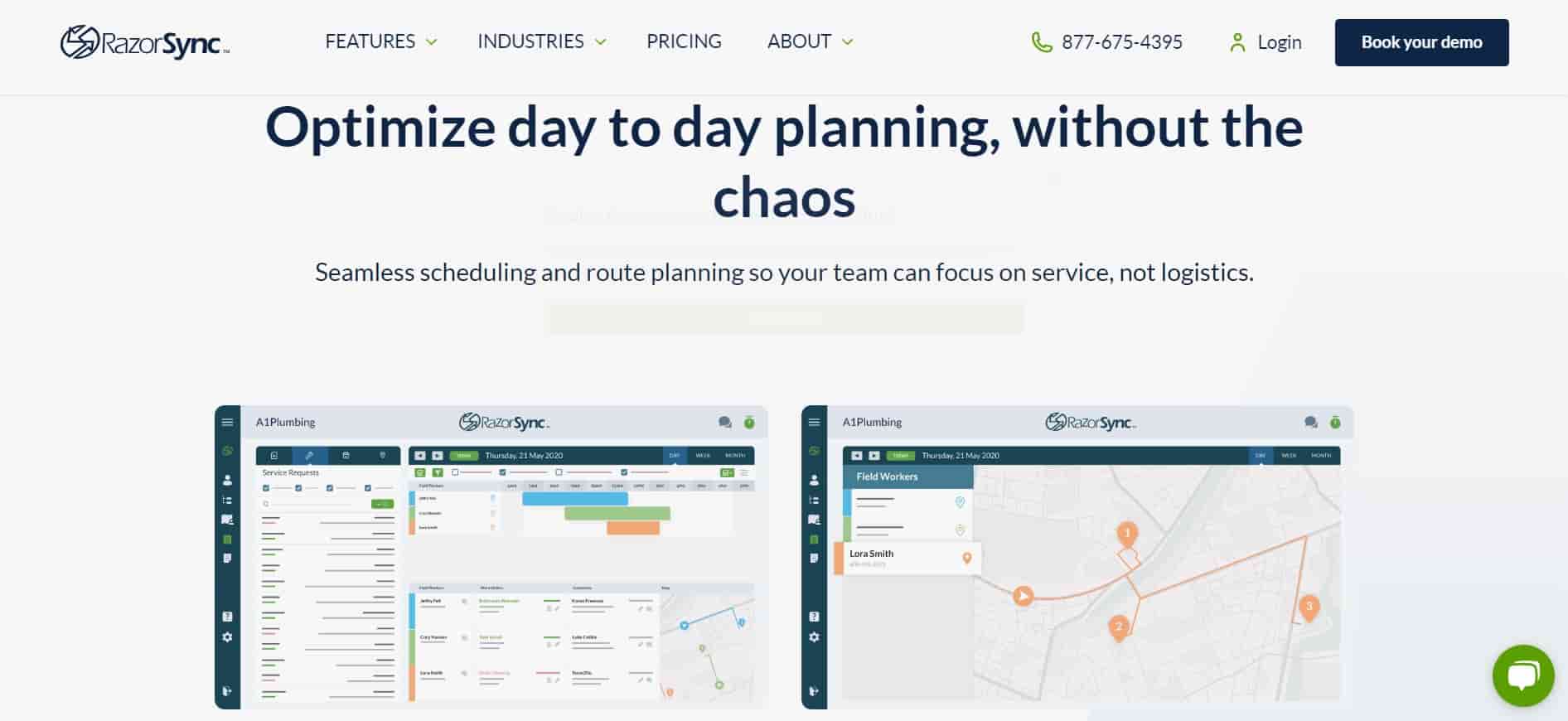
Business management software for contractors is revolutionizing how projects are executed and managed in the construction industry. As contractors face increasing demands and complexities, the need for effective solutions has never been more critical. This software not only streamlines operations but also tackles the common challenges that contractors encounter daily. From tracking expenses to managing schedules, the right software can enhance efficiency, improve communication, and ultimately lead to greater profitability.

By understanding the features and benefits available, contractors can equip themselves with the tools necessary to thrive in a competitive market.

Understanding the Importance of Business Management Software for Contractors
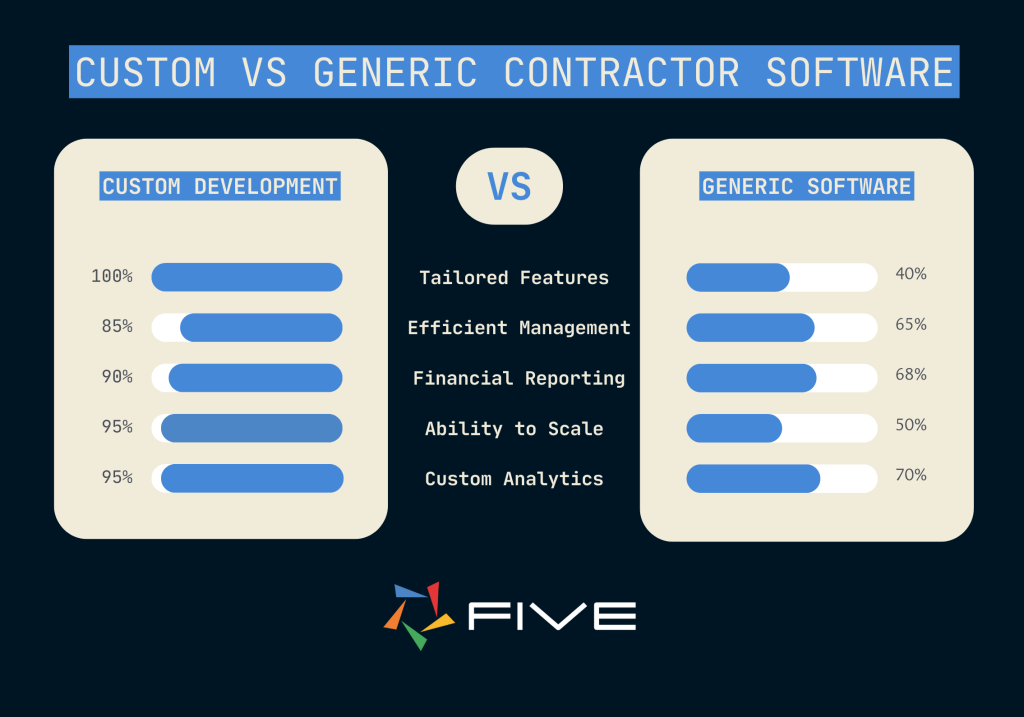
The Best Contractor Management Software

In today’s fast-paced construction industry, business management software has emerged as a crucial tool for contractors aiming to streamline their operations and enhance project efficiency. By integrating various operational facets into a singular platform, contractors can now focus more on delivering quality results rather than getting bogged down by administrative tasks. This software not only aids in project planning and management but also optimizes resource utilization, significantly reducing overhead costs.Contractors often face numerous challenges that can impede their workflow and profitability.

One major issue is the lack of visibility into project progress, which can lead to delays and miscommunication among teams. Without business management software, managing schedules, budgets, and resources becomes a cumbersome and error-prone process. Additionally, the difficulty in tracking equipment and labor costs leads to unforeseen expenses that can ultimately derail project timelines. These hurdles can be mitigated through effective software solutions that provide real-time data and insights, allowing contractors to make informed decisions swiftly.Key features that render business management software essential for contractors in today’s market include project scheduling tools, resource management systems, and financial tracking capabilities.

For instance, a robust project scheduling tool allows contractors to assign tasks, set deadlines, and monitor progress in real time, which enhances accountability and ensures timelines are met. Furthermore, resource management features enable contractors to allocate materials and labor efficiently, reducing wastage and optimizing workflows. Financial tracking tools allow for precise budgeting and forecasting, equipping contractors with the ability to manage cash flow effectively.

The integration of these features into a single platform not only improves operational efficiency but also enables better collaboration among teams, ensuring everyone is on the same page. This cohesive approach is instrumental in addressing the demands of a competitive market where efficiency and adaptability are paramount.

Key Features to Look for in Business Management Software for Contractors

When selecting business management software, contractors must focus on features that streamline operations, enhance productivity, and improve project oversight. The right software can significantly impact how contractors manage their projects, finances, and communication with clients and subcontractors. Prioritizing essential functionalities ensures that contractors can run their businesses efficiently and adapt to changing project demands.One of the most crucial aspects of choosing business management software is identifying features that directly contribute to overall project efficiency and management.

Below are five critical features that every contractor should consider:

Essential Features for Effective Management, Business management software for contractors

The following features are vital for ensuring that contractors can manage their projects and resources effectively:

  • Project Management Tools: These tools allow contractors to plan, execute, and oversee all project stages, from initial kickoff to project completion. Features like Gantt charts, task assignments, and milestone tracking help keep projects on schedule and within budget.
  • Budgeting and Financial Tracking: With this feature, contractors can create detailed budgets and monitor expenses in real-time. This capability ensures that financial resources are allocated efficiently and helps prevent cost overruns, thereby enhancing profitability.
  • Time Tracking and Reporting: Accurate time tracking features enable contractors to capture billable hours and monitor employee productivity. Comprehensive reporting aids in identifying areas for improvement and supports invoicing accuracy.
  • Client Relationship Management (CRM): A robust CRM system helps contractors manage interactions with clients, track leads, and enhance customer satisfaction. By maintaining detailed client profiles and histories, contractors can tailor their services more effectively.
  • Mobile Accessibility: The ability to access software on mobile devices allows contractors to manage tasks on the go. This flexibility is crucial for responding to on-site issues promptly and maintaining communication with team members and clients.

To provide visual clarity on how these features compare across popular software options, here’s a concise table highlighting their functionalities:

Software Project Management Budgeting Time Tracking CRM Mobile Access
Buildertrend Yes Yes Yes Yes Yes
CoConstruct Yes Yes No Yes Yes
Procore Yes Yes Yes No Yes
Smartsheet Yes Yes Yes No Yes
QuickBooks Contractor Edition No Yes Yes No Yes

Choosing the right business management software equips contractors with the tools needed to optimize their operations, ensuring both efficiency and profitability in their projects.

The Role of Mobile Accessibility in Business Management Software for Contractors

Mobile accessibility is increasingly becoming a crucial aspect for contractors who need to manage their projects efficiently while working in the field. In an industry where time is money, having access to business management software on-the-go allows contractors to make quicker decisions, streamline operations, and enhance productivity. The ability to utilize mobile features not only provides contractors with immediate access to critical project information but also ensures they can stay connected with their teams, clients, and suppliers regardless of their physical location.

This seamless connectivity ultimately leads to better project outcomes and client satisfaction.

Mobile access empowers contractors by facilitating real-time updates and enhancing communication within project teams. By integrating mobile functionality into business management software, contractors can easily share progress, respond to queries, and make necessary adjustments on the fly. This feature is particularly valuable in managing on-site challenges, such as delays or changes in project scope. With mobile tools, contractors can update schedules, assign tasks, and track project milestones from their smartphones or tablets, ensuring that everyone involved is on the same page.

The significance of real-time updates cannot be overstated; they help prevent miscommunications and keep all stakeholders informed, which is vital for project success.

Mobile Features that Enhance Communication and Efficiency

Mobile-enabled business management software typically includes features that directly contribute to improved communication and operational efficiency. These tools serve as a bridge connecting field workers with office staff, allowing for quick exchanges of vital information. Below are some key mobile features that enhance contractor operations:

  • Real-time Messaging: Instant messaging capabilities allow team members to communicate directly through the software. This reduces the need for lengthy email chains and helps in making swift decisions.
  • Document Sharing: Contractors can upload and share documents, such as blueprints or contracts, from their mobile devices. This ensures that everyone has access to the latest versions of important documents.
  • Time Tracking: Mobile apps allow for easy time entry, enabling field workers to log hours worked in real-time. This feature simplifies payroll processing and ensures accurate billing for clients.
  • Project Management Tools: Many software solutions offer mobile access to project dashboards, allowing contractors to monitor progress, track tasks, and adjust timelines on-the-go.
  • GPS and Location Services: Some applications utilize GPS to help contractors find job sites easily and monitor employee locations during work hours, enhancing accountability and efficiency.

For example, software like Procore and Buildertrend emphasizes mobile functionality, providing contractors with comprehensive tools that facilitate effective project management. Procore’s mobile app allows users to manage schedules, collaborate on documents, and communicate with team members seamlessly, enhancing overall project coordination. Similarly, Buildertrend’s mobile access enables contractors to handle estimates, invoices, and customer communications directly from their devices, making it a versatile tool for managing construction projects on-the-go.

In summary, mobile accessibility in business management software is not just a convenience; it is a game-changer for contractors who operate in fast-paced environments. By leveraging mobile features, contractors can improve communication, enhance efficiency, and ultimately deliver better results to their clients.

Cost-Effectiveness of Implementing Business Management Software for Contractors

Business management software for contractors

Investing in business management software can significantly enhance the financial health of contracting businesses. By streamlining operations and improving project management, contractors can experience considerable cost savings and an increase in overall efficiency. Understanding the return on investment (ROI) of such software is essential for making an informed decision. The financial benefits of integrating business management software are multifaceted. Beyond just improving workflows, these tools allow contractors to minimize wasted resources, manage budgets more effectively, and ultimately increase profitability.

The ROI can be quantified in terms of reduced labor costs, improved project timelines, and enhanced client satisfaction, leading to repeat business.

Financial Benefits and Case Studies

Contractors who have adopted business management software often see tangible financial improvements. For instance, a medium-sized contractor reported saving over $30,000 annually by using a software solution that automated invoicing and reduced administrative overhead. Another contractor highlighted a 15% increase in project turnaround speed, allowing them to take on more projects without increasing labor costs.When evaluating the cost-effectiveness, it’s crucial to compare potential costs against the anticipated savings.

Here’s a breakdown of what contractors might expect:

Potential Costs

Software subscription or purchase costs

Training expenses for staff to learn the new system

Discover more by delving into hvac business management software further.

Possible initial downtime during the transition period

Maintenance fees for ongoing support and updates

Potential Savings

Up to 30% reduction in administrative labor costs

Decreased material wastage through improved planning

Enhanced project tracking leading to fewer delays and penalties

Better cash flow management through timely invoicing and payments

Investing in business management software isn’t just a cost; it’s a strategy for long-term savings and growth.

Choosing the Right Business Management Software for Your Contracting Business

Selecting the ideal business management software is crucial for contractors aiming to enhance efficiency, streamline operations, and ultimately ensure project success. With a plethora of options available, understanding the criteria that should guide your decision-making process is essential in making an informed choice. A well-thought-out selection process involves evaluating several key factors that can significantly impact your business operations. These criteria can include the software’s features, scalability, user-friendliness, and integration capabilities with existing systems.

Ensuring that the software meets your specific needs will not only facilitate smoother operations but will also support your growth objectives.

Criteria for Selecting Software

When choosing business management software for contracting purposes, consider the following criteria that can influence your decision-making:

  • Functionality: Identify the essential features needed such as project management, scheduling, invoicing, and reporting capabilities. The software should effectively handle your day-to-day operations.
  • Scalability: Ensure the software can grow with your business. It should accommodate more users, projects, and additional functionalities as your company expands.
  • User Interface: A user-friendly interface enhances team productivity and reduces the learning curve associated with new software. Intuitive design can facilitate quicker adoption across your team.
  • Integration Capabilities: Your new software should easily integrate with other tools you already use, such as accounting software or CRM systems, to ensure seamless data flow.
  • Cost: Consider not only the initial purchase cost but also ongoing expenses, such as maintenance and support. Ensure that the pricing aligns with your budget and expected ROI.

Incorporating user feedback plays an essential role in the software selection process. Real experiences from fellow contractors can provide valuable insights into how the software performs in real-world situations. User reviews often highlight strengths and weaknesses that may not be evident during a demo or trial period.

Importance of User Feedback and Reviews

When evaluating potential software options, take the time to research and read user reviews. These reviews can reveal critical information regarding performance, customer support, and overall satisfaction.

  • Real-World Performance: Feedback can indicate how well the software performs in actual contracting environments, helping you gauge its reliability and effectiveness.
  • Customer Support: Positive reviews often highlight excellent customer service experiences, which is essential for resolving issues promptly.
  • Common Challenges: Identifying consistent complaints or issues mentioned by users can prepare you for potential drawbacks and help you make a more informed choice.

Incorporating user feedback minimizes the risk of choosing software that may not meet your business needs.

Decision-Making Flowchart

A structured approach to decision-making can simplify the selection process. Below is an illustrative flowchart outlining a step-by-step decision-making process for contractors looking to choose the right business management software:

1. Identify Your Needs

List essential features required for your specific contracting business.

Determine your budget and resource availability.

2. Research Options

Explore available software solutions and compile a list of potential candidates based on your needs.

3. Gather User Feedback

Read reviews and testimonials from current users to assess performance and support.

4. Evaluate Software Demos

Request demos or trial periods to experience the software firsthand.

5. Compare Features and Costs

Create a comparison chart detailing the pros and cons of each option, focusing on functionality and pricing.

6. Make an Informed Decision

Choose the software that best aligns with your business goals and operational requirements.

7. Implementation and Training

Develop a plan for implementation, including staff training and support to ensure a smooth transition.

By following this detailed flowchart, you can streamline the selection process, ultimately leading to an informed decision that supports your contracting business goals.

Training and Support

Implementing business management software is a significant step for contractors, but its success hinges greatly on effective training and ongoing support for staff. Without proper training, even the most advanced software can lead to confusion, inefficiencies, and ultimately hinder productivity. Understanding the importance of equipping your team with the necessary skills to leverage the software can make all the difference in optimizing operations and achieving business goals.Training staff on new software fosters a smoother transition, enhances user confidence, and minimizes resistance to change.

When employees are well-versed in using the software, they are more likely to complete tasks efficiently, which can lead to increased productivity and fewer errors. Proper training ensures that all team members can utilize the software’s full capabilities, thus maximizing return on investment.

Support Options and Resources from Software Providers

The availability of support and resources is crucial for contractors when selecting business management software. Various software providers offer different levels of assistance, ranging from online tutorials to dedicated support teams. Understanding these options can help contractors make informed decisions.Here are the common support options and resources offered by software providers:

  • Online Documentation: Comprehensive guides, FAQs, and troubleshooting tips.
  • Live Chat Support: Real-time assistance from support personnel for immediate concerns.
  • Video Tutorials: Step-by-step walkthroughs showcasing software features and functionalities.
  • Webinars and Training Sessions: Scheduled sessions for in-depth training and Q&A with experts.
  • Email and Phone Support: Options to reach out for help via email or direct calls for complex issues.

To better illustrate the training resources offered by various software providers, the table below Artikels some of the specific options available:

Software Provider Training Resources Support Options
Provider A Online tutorials, Webinars 24/7 live chat, Email support
Provider B Video tutorials, Documentation Phone support, Live chat
Provider C In-person training, Webinars Dedicated account manager, Email support
Provider D Interactive guides, Video tutorials Live chat, Community forums

“Effective training and reliable support not only enhance user experience but are also pivotal in driving successful software adoption.”

Future Trends in Business Management Software for Contractors

As the contracting industry evolves, so does the technology that supports it. Business management software is no longer just a tool for tracking expenses and managing contracts; it is becoming an essential partner in enhancing operational efficiency and driving growth. Understanding the future trends in this area is critical for contractors wanting to stay competitive and deliver superior service to their clients.Emerging trends and technologies are reshaping the landscape of business management software for contractors.

With advancements in artificial intelligence, machine learning, and cloud computing, contractors can now leverage these innovations to streamline operations, improve decision-making, and enhance customer experiences. Preparing for these changes involves adopting a forward-thinking mindset and being willing to invest in tools that offer scalability and adaptability.

Anticipated Features and Tools in Business Management Software

As we look ahead, several features and tools are expected to become standard in business management software specifically tailored for contractors. These advancements are set to redefine how businesses operate and interact with clients and stakeholders. The following points highlight the anticipated developments:

  • AI-Powered Analytics: Leveraging data to provide insights into project performance and resource allocation, enabling informed decision-making.
  • Integrated Communication Tools: Facilitating seamless communication between team members, clients, and subcontractors within the software environment.
  • Real-Time Project Tracking: Offering live updates on project progress, expenses, and timelines, helping contractors stay on top of their projects.
  • Advanced Mobile Features: Enhancing mobile accessibility to allow contractors to manage their operations from any location, ensuring flexibility and responsiveness.
  • Automated Compliance Management: Simplifying the process of staying compliant with industry regulations by automating documentation and reporting.
  • Customizable Dashboards: Allowing users to personalize their experience by selecting metrics and KPIs that matter most to them, providing relevant insights at a glance.
  • Cloud-Based Collaboration: Enabling teams to work collaboratively in real time, regardless of location, which is increasingly important in hybrid work environments.

Adapting to these trends requires contractors to embrace change proactively. This includes investing in training for staff to ensure they can effectively utilize new tools and systems. By staying informed about these emerging trends, contractors can position themselves to take full advantage of the capabilities that business management software will offer in the coming years.

Wrap-Up
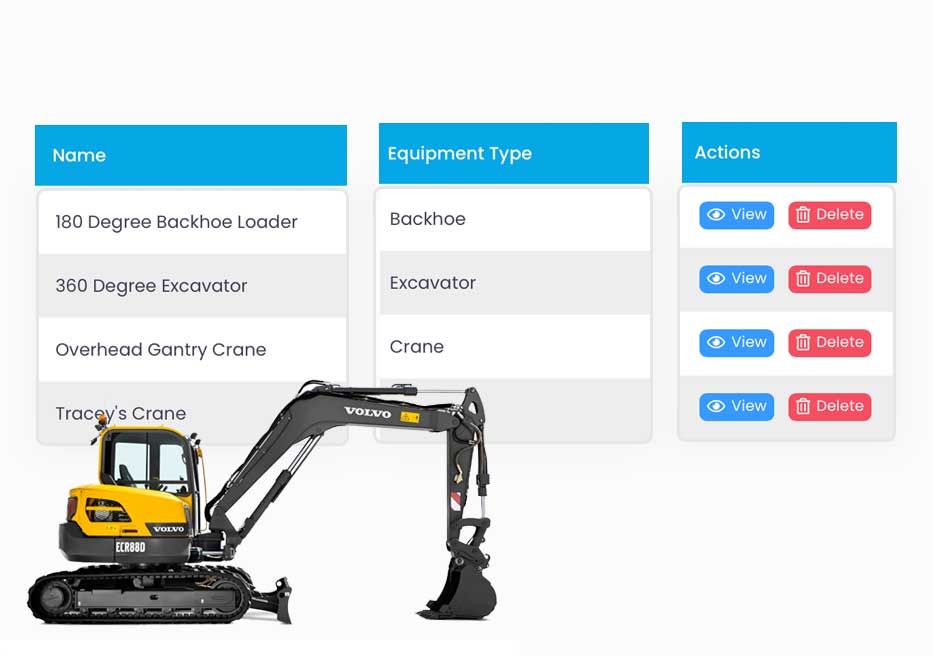
Business management software for contractors

In conclusion, the landscape of business management for contractors is evolving with technology that promises to enhance productivity and streamline processes. Investing in the right software saves time and resources while helping contractors adapt to a rapidly changing industry. With mobile access, cost-effectiveness, and crucial support systems in place, contractors can confidently navigate their projects and focus on delivering quality results.

Embracing these tools is not just a trend; it’s a strategic move towards long-term success in the contracting business.

FAQ Overview: Business Management Software For Contractors

What is business management software for contractors?

It is a digital solution designed to help contractors manage various aspects of their projects, including scheduling, budgeting, and communication.

How can business management software benefit contractors?

It can streamline operations, improve efficiency, reduce errors, and enhance communication among teams.

Is mobile access important for contractors?

Yes, mobile access allows contractors to stay connected, receive real-time updates, and manage tasks on-site, increasing flexibility and responsiveness.

What features should contractors prioritize in software?

Key features include project tracking, budgeting tools, reporting capabilities, mobile access, and customer relationship management.

Are there any cost-saving benefits of using this software?

Yes, by automating processes and improving efficiency, contractors can significantly reduce operational costs and time spent on tasks.
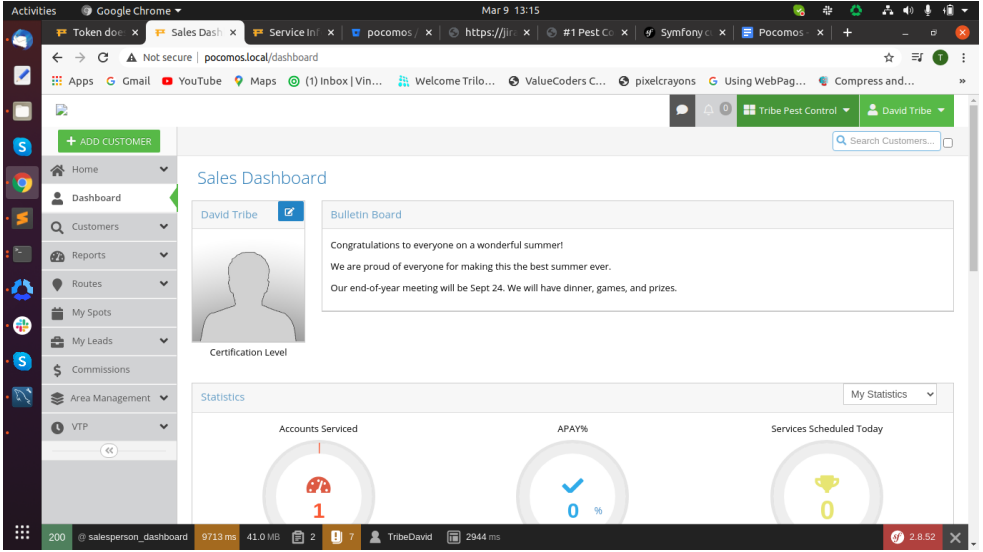
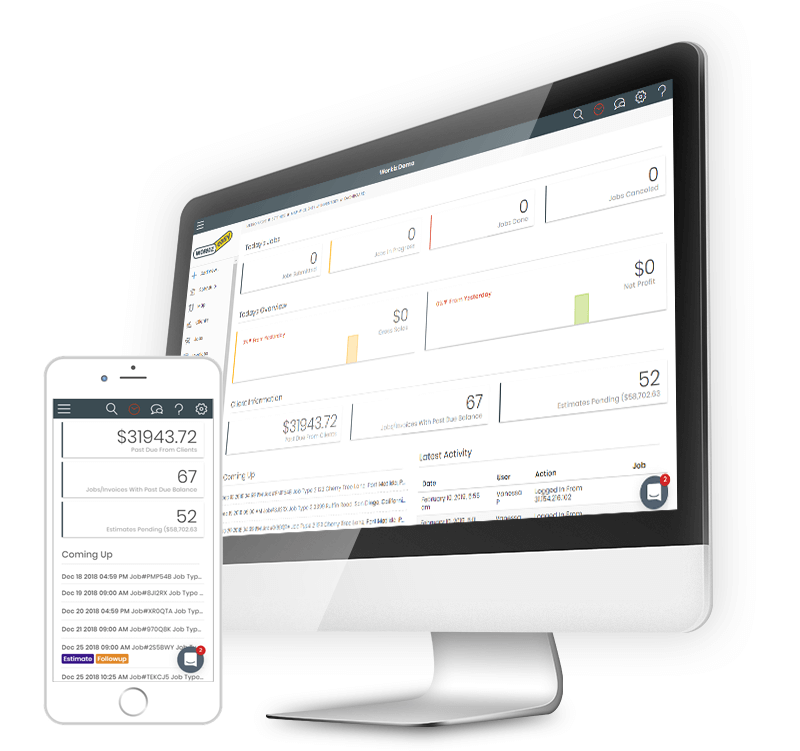
Pest control business management software takes center stage as an essential tool for modern pest control companies aiming to boost operational efficiency. With the ability to streamline daily operations, this software not only enhances time management and resource allocation but also integrates automation to simplify routine tasks. As technology continues to evolve, pest control businesses can leverage these systems to improve service delivery and customer satisfaction, making it a vital component for success in a competitive market.

This software offers a range of features designed to improve productivity, including customer relationship management tools, mobile access, and real-time tracking capabilities that keep companies connected to their clients and operations. By adopting such innovative solutions, pest control companies can ensure they are not just keeping pests at bay, but also staying ahead of the competition.

The significance of pest control business management software in operational efficiency

In the competitive field of pest control, operational efficiency is paramount for success. Pest control business management software offers solutions that help companies streamline their operations, allowing them to focus on providing excellent service while effectively managing their resources. This software is designed to address the unique challenges within the industry, promoting a more organized and efficient workflow.The implementation of pest control business management software can profoundly enhance the day-to-day operations of pest control companies.

By automating repetitive tasks and providing real-time data, this software significantly reduces the time employees spend on administrative duties. Scheduling appointments, tracking inventory, managing billing, and generating reports can be seamlessly integrated within one platform, thus eliminating the need for multiple systems and reducing the likelihood of errors. Employees can dedicate more time to customer service and fieldwork, leading to increased productivity.

Impact on time management and resource allocation

Effective time management and resource allocation are crucial for pest control companies aiming to maximize their operational efficiency. The software aids in these areas by providing tools that allow for better scheduling and resource utilization. This software typically includes features for tracking technician schedules, customer appointments, and service history in real-time. By automating the scheduling process, companies can minimize gaps in the schedule, ensuring that technicians are dispatched promptly and efficiently.

The following points highlight how pest control business management software enhances time management and resource allocation:

  • Real-time scheduling: Allows for immediate adjustments to appointments, optimizing technician routes and reducing travel time.
  • Resource tracking: Monitors inventory levels and supplies, ensuring that technicians have the necessary equipment before heading out for jobs.
  • Customer management: Keeps a comprehensive database of customer interactions, enabling quicker response times and follow-ups.
  • Automated reminders: Sends notifications to customers about appointments, reducing no-show rates and improving service reliability.

Advantages of using automation in pest control tasks, Pest control business management software

Automation plays a pivotal role in improving the workflow of pest control companies. By incorporating automated processes, companies can reduce manual intervention, leading to more consistent and error-free operations.Adopting automation can transform how routine tasks are executed, enhancing both productivity and service quality. Some key advantages include:

  • Increased efficiency: Automation speeds up processes such as reporting, invoicing, and customer notifications.
  • Consistency in service: Automated systems ensure that tasks such as service reminders and follow-ups are handled uniformly, enhancing customer satisfaction.
  • Data-driven decisions: Access to real-time data analytics allows management to make informed decisions quickly, adapting to business needs as they arise.
  • Cost savings: Reducing the time spent on administrative tasks translates to lowered operational costs, allowing for better profit margins.

“The efficiency gained from automation allows pest control companies to focus on their core services, enhancing overall service delivery and customer satisfaction.”

Key features to look for in pest control business management software

In today’s competitive landscape, pest control businesses require specialized software to streamline operations and improve efficiency. The right pest control business management software not only simplifies tasks but also enhances overall productivity and customer satisfaction. Understanding the key features that can elevate your business is crucial for long-term success.One of the essential functionalities to look for is comprehensive scheduling and dispatching capabilities.

This feature allows technicians to manage their appointments efficiently, ensuring that no jobs are missed and optimizing route planning. Additionally, invoicing and payment processing features facilitate seamless financial transactions, reducing administrative burdens. Below are specific features that can genuinely enhance customer relationship management (CRM) in pest control businesses.

Essential CRM Features

A robust CRM system within your pest control management software can significantly enhance interactions with clients, leading to higher customer retention and satisfaction. Here are some vital CRM functionalities to consider:

  • Customer Database Management: A centralized database that stores all customer information, including history of services, preferences, and special notes, allows for personalized service.
  • Automated Follow-Up Reminders: Automated email or SMS reminders for follow-ups on service appointments help maintain communication and engagement with clients.
  • Feedback Collection Tools: Integrating tools for collecting customer feedback post-service can provide valuable insights and improve service quality.
  • Service History Tracking: Keeping a detailed record of treatments and services performed helps technicians understand the customer’s needs better and offer tailored solutions.

To improve operational efficiency, mobile access and real-time tracking capabilities are also fundamental aspects of effective pest control business management software.

Importance of Mobile Access and Real-Time Tracking

In an industry where technicians are often on the move, mobile access is a game-changer. It allows field technicians to access customer data, update service statuses, and communicate with the office while on-site, leading to improved service delivery. Real-time tracking capabilities provide managers with the ability to monitor technician locations and job progress, which enhances accountability and productivity. This immediate access to information ensures that teams are synchronized, reducing delays and miscommunications.

“The integration of mobile and real-time tracking features is essential for modern pest control businesses, enabling quicker responses and enhancing customer satisfaction.”

Overall, investing in pest control business management software that encompasses these key features will lead to greater operational efficiency, improved customer relationships, and ultimately, a more successful business model.

The role of pest control business management software in customer satisfaction

Pest control business management software

Pest control is a service-driven industry where customer satisfaction plays a pivotal role in business success. The introduction of pest control business management software has revolutionized the way companies interact with their clients, enhancing communication and service delivery. By leveraging technology, businesses can ensure that customer needs are met promptly and effectively, leading to improved trust and loyalty.

Improving communication with clients during service delivery

Effective communication is essential for building strong relationships with clients in the pest control industry. Pest control business management software enhances this communication through various channels. Clients receive real-time updates about their service appointments, technician arrival times, and any changes to scheduled services. Automated notifications via SMS or email keep clients informed, reducing anxiety and ensuring peace of mind. Additionally, the software can facilitate direct messaging between clients and service technicians, allowing for quick clarification of any service-related questions.

This open line of communication fosters transparency and demonstrates a commitment to customer care.

Significance of scheduling and reminders in customer retention

Scheduling capabilities within pest control management software play a critical role in retaining customers. By providing clients with an easy-to-use scheduling interface, businesses can allow customers to book, modify, or cancel appointments at their convenience. The ability to set reminders for upcoming services not only keeps clients engaged but also minimizes no-shows and cancellations, which can significantly impact revenue.Automated follow-ups after a service is completed remind clients of their next appointment or suggest additional treatments based on seasonal pests.

This proactive approach demonstrates that the company values the customer’s time and needs, thus enhancing the likelihood of repeat business.

Facilitating customer feedback and service adjustments

Customer feedback is invaluable for any service-oriented business, and pest control firms can greatly benefit from streamlined feedback mechanisms provided by management software. Integrated survey tools enable clients to rate their service experience immediately after completion. This real-time feedback loop allows businesses to identify areas for improvement and make necessary adjustments to their services promptly.Moreover, tracking and analyzing feedback trends over time helps pest control companies recognize recurring issues and implement strategic changes that enhance service quality.

For instance, if multiple customers report concerns about a specific treatment method, the business can evaluate and adjust its approach accordingly, leading to improved service delivery and higher customer satisfaction rates.

“Effective communication, timely scheduling, and responsive feedback mechanisms are essential for enhancing customer satisfaction in pest control services.”

Cost considerations and return on investment for pest control software

Pest control business management software

Investing in pest control business management software involves careful analysis of both immediate costs and long-term financial benefits. This software not only modernizes operations but can also lead to substantial savings when implemented thoughtfully. Understanding the financial implications is essential for any pest control business aiming to enhance efficiency and service quality while keeping an eye on the bottom line.The initial investment in pest control software can vary significantly, depending on the features, the size of the business, and any ongoing subscription fees.

However, when considered against the potential long-term savings, the upfront costs can often be justified. For instance, improved scheduling, streamlined communication, and better inventory management can reduce operational inefficiencies, leading to significant cost reductions over time.

Initial Investment vs. Long-term Savings

The decision to adopt pest control software should involve a thorough comparison between the initial investment and projected long-term savings. Here are several cost factors that should be considered:

  • Software Licensing and Setup Costs: This includes the purchase price of the software, installation fees, and training costs for staff. A well-planned setup can lead to a smoother transition and faster return on investment.
  • Operational Efficiency Gains: Enhanced scheduling capabilities can optimize route planning, which saves fuel costs and time. For example, companies that implement route optimization software may see fuel cost reductions of up to 20%.
  • Reduction in Paperwork and Administrative Tasks: Digitizing records and automating invoicing reduces manual labor and errors, allowing employees to focus on core business activities. This shift can free up 30% of administrative time.
  • Enhanced Customer Retention: Satisfied customers are more likely to return, leading to repeat business. By improving response times and service quality, businesses can increase customer retention by as much as 15%.

Hidden Costs to Consider

While evaluating pest control management software, it’s vital to account for potential hidden costs that may arise post-implementation. These costs can affect the overall return on investment significantly:

  • Ongoing Support and Maintenance Fees: Many software solutions require regular updates and technical support, which can accumulate if not budgeted properly.
  • Training and Adaptation Period: Adequate training sessions may be necessary for staff to become proficient in using the software, potentially leading to temporary inefficiencies during the adaptation phase.
  • Integration with Existing Systems: If the software does not seamlessly integrate with current systems, additional costs may arise from having to modify or replace other software.
  • Data Migration and Cleanup: Moving existing data into the new system can incur costs, especially if data cleaning is required to ensure accuracy and reliability.

Measurable ROI Metrics for Pest Control Businesses

To gauge the effectiveness of pest control management software, businesses should track specific metrics that indicate return on investment. Here are key performance indicators that can help measure ROI:

  • Increased Revenue per Technician: By measuring the revenue generated by each technician before and after software adoption, businesses can ascertain financial gains directly linked to improved workflow.
  • Customer Acquisition and Retention Rates: Tracking new customer sign-ups and retention rates can indicate the software’s impact on service quality and customer satisfaction.
  • Reduction in Operational Costs: Calculating decreased costs in labor and materials due to improved efficiency can provide a clear view of savings attributable to the software.
  • Service Time Efficiency: Analyzing the time taken to complete jobs before and after software use can reveal time savings that translate into higher productivity.

By considering both the initial investment and potential long-term benefits, pest control businesses can make informed decisions regarding management software. Understanding hidden costs and monitoring measurable ROI metrics will further refine the financial evaluation, ensuring that the chosen software aligns with the company’s operational goals and financial expectations.

Challenges faced when implementing pest control business management software

Implementing pest control business management software can be a game changer for operational efficiency, yet businesses often face several challenges during this transition. Recognizing these potential obstacles early on can help organizations prepare and adapt to ensure a successful adoption.Resistance to change is one of the most common hurdles encountered. Employees may feel overwhelmed or skeptical about new technology, fearing it might complicate their daily tasks.

To address these concerns, it’s essential to foster a positive attitude towards change and provide comprehensive training. Moreover, the integration process itself can prove complex, particularly if existing systems are outdated or incompatible with new software. This complexity necessitates a clear plan for integration that addresses data migration and software compatibility.

Expand your understanding about fishbowl warehouse management with the sources we offer.

Common obstacles during software adoption

Several challenges can impede the successful implementation of pest control business management software. Understanding these issues enables businesses to create strategies that facilitate a smoother transition. Key obstacles include:

  • Employee Resistance: A common issue where employees are reluctant to adopt new tools due to fear of the unknown or concerns over job security.
  • Insufficient Training: Without proper training, staff may struggle to utilize the software effectively, leading to frustration and decreased productivity.
  • Integration Issues: Existing systems may not integrate smoothly with new software, causing data loss or workflow disruptions.
  • Costs of Implementation: Hidden costs can arise during implementation, such as additional training or unforeseen technical support that can strain budgets.
  • Lack of Support: Insufficient vendor support during the implementation phase can lead to unresolved technical issues and employee frustration.

Strategies to overcome resistance from staff

To ensure user adoption and minimize resistance, businesses should implement several strategies that encourage staff participation and buy-in:

  • Involve Employees Early: Engage staff in the selection and planning phases to give them a sense of ownership and reduce apprehension.
  • Provide Clear Benefits: Communicate how the new software simplifies their tasks and enhances productivity, rather than merely highlighting features.
  • Offer Comprehensive Training: Conduct hands-on training sessions to familiarize employees with the software, ensuring they feel confident in its use.
  • Encourage Feedback: Create a channel for employees to voice their concerns or suggestions, making them feel valued and heard during the transition.
  • Recognize and Reward Adoption: Acknowledge early adopters and those who embrace the change, which can motivate others to follow suit.

Step-by-step guide to troubleshoot common issues during implementation

When issues arise during the implementation of pest control business management software, following a structured troubleshooting guide can be beneficial. Here’s a practical approach to addressing common challenges:

  • Step 1: Identify the Issue: Clearly define the problem, whether it’s technical, operational, or related to user experience.
  • Step 2: Consult Documentation: Refer to user manuals and vendor documentation for insights on resolving specific issues.
  • Step 3: Engage Technical Support: Reach out to the software vendor’s support team for assistance with unresolved problems.
  • Step 4: Reassess Integration: Check for any integration errors with existing systems that may need to be corrected.
  • Step 5: Monitor User Feedback: Continuously collect feedback from users to identify persisting issues and address them promptly.
  • Step 6: Adjust Training Programs: If recurring issues are noted, consider refining training efforts to better prepare staff for using the software.

Future trends in pest control business management software development

The pest control industry is rapidly evolving, with advancements in technology paving the way for more efficient and effective solutions. As businesses look to optimize their operations and enhance customer satisfaction, the integration of new technologies into pest control management software is becoming increasingly vital. This segment explores the emerging trends that are set to influence the future of pest control business management software.

Emerging technologies influencing software capabilities

Several cutting-edge technologies are reshaping the landscape of pest control business management software. These innovations not only enhance operational efficiency but also improve service delivery.

  • Artificial Intelligence (AI): AI is being increasingly utilized for predictive analytics, allowing pest control companies to forecast pest infestations based on environmental data. For example, machine learning algorithms can analyze weather patterns to predict the likelihood of pest outbreaks, enabling proactive service scheduling.
  • Internet of Things (IoT): IoT devices, such as smart traps and monitoring systems, are revolutionizing pest control. These devices can relay real-time data to management software, allowing for immediate response to pest activity. This integration streamlines operations and enhances service accuracy.
  • Mobile Technology: Mobile apps are becoming essential tools for technicians in the field. With features such as real-time reporting and customer communication, mobile technology improves service efficiency and customer engagement.

Advancements in data analytics shaping management

The role of data analytics in pest control management is growing, with advanced analytics tools offering businesses deeper insights into operations and customer behavior.

  • Enhanced Reporting: With sophisticated data analytics, pest control companies can generate detailed reports on service performance, pest trends, and customer satisfaction. This data-driven approach aids in making informed decisions to enhance service quality.
  • Customer Segmentation: By analyzing customer data, businesses can identify patterns and preferences, allowing for targeted marketing strategies. For instance, companies can tailor promotions for specific demographics based on previous interactions.
  • Operational Efficiency: Data analytics enables businesses to track technician routes, optimize schedules, and reduce operational costs. This results in a more efficient use of resources and improved service delivery.

Integration with other services or platforms

The potential for integration with other services and platforms is another significant trend in pest control business management software development. This interconnectedness can enhance functionality and improve overall customer experience.

  • CRM Integration: Integrating customer relationship management (CRM) systems with pest control software allows for better customer tracking and management. This leads to improved communication, personalized service, and increased customer retention.
  • Accounting Software Integration: Linking pest control management software with accounting systems can streamline billing and invoicing processes. This ensures accurate financial reporting and simplifies payment management for both companies and clients.
  • Collaboration Platforms: Integration with platforms such as Slack or Microsoft Teams enables seamless communication among team members, enhancing coordination and response times during pest control operations.

Case studies of successful pest control business management software implementation

The implementation of pest control business management software has transformed various companies, leading to significant enhancements in operational efficiency, customer satisfaction, and overall profitability. These case studies illustrate the tangible benefits that stem from adopting such technologies, showcasing the specific improvements achieved by businesses in the pest control industry.

Notable Success Stories

Several pest control companies have successfully integrated management software, experiencing remarkable transformations in their operations. Below are detailed examples that highlight the effectiveness of these implementations.

  • ABC Pest Solutions: This company, based in Dallas, Texas, implemented a comprehensive pest control management software that streamlined their scheduling and invoicing processes. Post-implementation, they reported a 30% reduction in administrative time and a 40% increase in customer retention. The software allowed for better tracking of service histories, enabling tailored services for clients.

  • GreenShield Pest Control: Operating in the California region, GreenShield adopted a mobile-friendly pest control management app that empowered technicians to access customer information and service schedules in real-time. They noted a 50% reduction in service call resolution time and a 25% increase in upselling additional services, thanks to timely access to customer data.

  • SafeGuard Pest Services: This New Jersey-based business leveraged pest control management software for route optimization and customer communication. They saw an improvement in technician productivity by 35% due to optimized routing, which minimized travel time. Additionally, customer feedback scores improved by 20%, as customers appreciated timely updates and proactive service notifications.

The measurable improvements observed in these companies underline the critical role that well-implemented software solutions play in enhancing operational efficiencies and service quality. It is essential for businesses to understand these results to gauge the potential impact of such systems for their operations.

“Investing in the right pest control business management software can lead to a significant return on investment, both in terms of cost savings and enhanced customer satisfaction.”

Key takeaways from these success stories include:

  • Streamlined operations lead to significant time savings and improved service delivery.
  • Access to real-time data enables technicians to provide more personalized and efficient service.
  • Effective communication tools within the software enhance customer satisfaction and loyalty.
  • Investing in technology not only boosts productivity but also helps in upselling services and increasing revenue.

These examples serve as powerful illustrations of how pest control businesses can benefit from management software, driving both operational efficiency and customer satisfaction.

Last Word

Pest Control Business Management Software | WorkDash

In summary, pest control business management software emerges as a game-changer for those in the pest control industry. By streamlining operations, enhancing customer communication, and providing measurable returns on investment, this software stands out as a must-have for businesses looking to thrive. As we look towards the future, the continued integration of technology will only further empower pest control companies to deliver exceptional service while maintaining high levels of customer satisfaction.

FAQ Compilation: Pest Control Business Management Software

What are the key benefits of using pest control business management software?

The key benefits include improved operational efficiency, better resource management, enhanced customer communication, and increased overall productivity.

How does this software improve customer satisfaction?

This software improves customer satisfaction by facilitating better communication, providing scheduling and reminders, and enabling feedback collection for service adjustments.

What features should I prioritize when choosing pest control software?

Prioritize features like customer relationship management tools, mobile access, real-time tracking, and automation capabilities to enhance productivity.

Are there hidden costs associated with pest control management software?

Yes, hidden costs can include training for staff, ongoing maintenance fees, and subscription costs that may not be immediately evident during the initial purchase.

How can I ensure staff adoption of the new software?

To ensure staff adoption, provide comprehensive training, involve them in the selection process, and highlight the time-saving benefits of the software.

pest control management software is revolutionizing the way pest control companies operate in today’s fast-paced environment. As the industry continues to evolve, integrating technology into pest management strategies has become essential for enhancing efficiency and effectiveness. This software not only streamlines operations but also provides valuable insights that help businesses stay competitive. From scheduling appointments to managing customer relationships, pest control management software is becoming an indispensable tool for practitioners aiming to deliver top-notch services.

As we dive deeper into this topic, we will explore the key features that define effective pest control management software, the role of technology in improving pest control processes, and the comparative analysis of leading software solutions in the market. We will also discuss how such software can enhance customer satisfaction and retention, best practices for implementation, and future trends that are set to shape the industry.

The importance of pest control management software in modern pest management strategies

The field of pest control has evolved significantly over the years, transitioning from traditional methods to a more sophisticated, technology-driven approach. As environmental concerns and regulations have increased, so has the necessity for effective and efficient pest management strategies. Pest control management software plays a crucial role in modern pest management, integrating advanced technological solutions into operational practices. This software not only streamlines processes but also enhances the overall effectiveness of pest control operations.The integration of software into pest management practices marks a substantial shift in how pest control businesses operate.

Historically, pest control relied heavily on manual practices, which were often time-consuming and prone to human error. The introduction of digital tools has transformed these methods, allowing for real-time data collection, tracking, and analysis. Pest control management software can automate scheduling, customer communication, and reporting, leading to increased efficiency. For example, technicians can access customer histories, treatment plans, and pest identification resources directly from their mobile devices during service calls, which improves service delivery and customer satisfaction.

Software solutions also contribute to better decision-making in pest management. By leveraging data analytics, companies can identify trends, monitor pest populations, and assess the effectiveness of treatment strategies. This capability allows businesses to adapt their methods proactively rather than reactively, which is essential in an industry that faces evolving pest behavior and resistance patterns. Enhanced communication features facilitate seamless interaction between office staff and field technicians, reducing delays and improving workflow.

Benefits of pest control management software

Pest control management software offers several key benefits that positively impact businesses within the industry. These benefits include:

Increased Efficiency

Automation of scheduling and reporting processes reduces administrative burdens, allowing staff to focus on core pest control services. This leads to higher productivity levels and a better allocation of resources.

Improved Customer Relations

With features like automated reminders and follow-ups, pest control management software enhances customer engagement. Clients receive timely information about services, thereby improving satisfaction and retention rates.

Enhanced Data Management

The software provides a centralized database for all pest control records, making it easy to access historical data, treatment logs, and customer information. This organized approach supports regulatory compliance and helps in analyzing operational performance.

Real-time Tracking and Reporting

Technicians can log their activities and findings in real-time, providing management with immediate insights into operations. This capability is crucial for making informed decisions quickly and addressing any issues as they arise.

Cost Savings

By optimizing routes and schedules through the software, companies can reduce travel time and costs. Additionally, effective pest management strategies lead to less pesticide usage and lower operational expenses.In summary, pest control management software represents a significant advancement in the pest control industry, enabling businesses to operate more efficiently while ensuring effectiveness in their pest management strategies. The integration of such technology not only streamlines operations but also enhances service quality, ultimately benefiting both pest control companies and their customers.

Key features that define effective pest control management software

Best Pest Control Software for 2025 | Research.com

In the rapidly evolving field of pest control, the integration of technology through management software has become a game changer. Effective pest control management software not only streamlines operations but also enhances communication and efficiency across the board. The right software can provide pest control professionals with a comprehensive suite of tools tailored to meet their unique needs, ultimately leading to improved service delivery and customer satisfaction.One of the most significant aspects of pest control management software is its functionality.

Essential features that practitioners look for include reporting tools, scheduling capabilities, and customer management systems. Each of these functionalities plays a critical role in ensuring that pest control operations run smoothly and effectively.

Essential functionalities of pest control management software

The core features that define effective pest control management software include:

  • Reporting Tools: These allow users to generate detailed reports on pest sightings, treatments administered, and customer feedback. Effective reporting is crucial for analyzing trends and making informed decisions. For example, if a certain pest is consistently reported in a specific area, management can strategize targeted treatments.
  • Scheduling: A robust scheduling feature enables pest control technicians to manage their appointments efficiently. It helps in organizing service calls, reducing downtime, and ensuring that no appointments are missed. This feature often includes automated reminders for both technicians and clients to enhance accountability.
  • Customer Management: With a comprehensive customer management system, companies can maintain detailed records of client interactions, preferences, and service history. This feature is vital for personalizing service and improving client relationships, ultimately fostering loyalty and repeat business.
  • Inventory Management: Tracking inventory levels of pest control products ensures that technicians have the necessary supplies on hand when needed. Effective inventory management can prevent delays in service and reduce excess spending on unnecessary stock.
  • Mobile Access: Many modern pest control management software solutions offer mobile capabilities, allowing technicians to access important information on-the-go. This feature enhances communication and ensures that teams can respond quickly to client needs.

Implementing these features is crucial for practitioners in pest control as it leads to greater operational efficiency. For instance, accurate reporting allows businesses to identify patterns and adjust their strategies accordingly. Scheduling tools reduce the risk of missed appointments, which can impact revenue and customer satisfaction. Customer management capabilities strengthen relationships, giving businesses a competitive edge in a crowded market.

Overall, effective pest control management software equips professionals with the tools they need to succeed in a dynamic environment.

The role of technology in improving pest control management processes

Pest control management software

In today’s fast-paced world, technology plays a pivotal role in enhancing pest control management processes. The integration of advanced tools and software has revolutionized how pest control services are delivered, making them more efficient, reliable, and effective. By leveraging technological advancements, pest control companies can streamline their operations, improve customer experiences, and achieve better pest management outcomes.The integration of technology with pest control software allows for real-time monitoring, data analysis, and improved communication among service teams.

This leads to enhanced service delivery and a proactive approach to pest management. For instance, many pest control software solutions now include mobile applications that enable technicians to access vital information on-site, update job statuses, and communicate directly with customers, all while on the go. The ability to gather and analyze data on pest populations, environmental conditions, and treatment efficacy in real time empowers companies to make informed decisions.

Technological advancements in pest management

Recent technological advancements have significantly impacted pest control strategies, with the adoption of IoT devices and artificial intelligence (AI) taking center stage. These innovations offer a range of benefits that optimize pest control efforts and enhance decision-making.IoT devices are equipped with sensors that can detect pest activity, environmental changes, and even monitor the effectiveness of pest treatments. By implementing smart traps and remote monitoring systems, pest control companies can gather data continuously.

This real-time information allows for rapid responses to pest issues before they escalate, thereby reducing the need for more extensive treatments. For example, smart traps can send alerts to technicians when pests are detected, enabling immediate action and minimizing potential damage.AI applications further augment pest management by analyzing vast amounts of data to identify pest patterns, predict infestations, and recommend the most effective treatments.

Machine learning algorithms can assess factors such as weather patterns, seasonal changes, and historical pest activity to generate insights that help in planning pest control strategies. By automating data analysis, pest control companies can save time and resources while enhancing their ability to deliver targeted solutions. Additionally, technology facilitates better customer engagement and education. With interactive applications, customers can access pest control information, track service progress, and even receive educational materials on pest prevention.

This level of transparency helps build trust and improves customer satisfaction, which is crucial in a service-oriented industry.

“The integration of IoT and AI in pest control not only enhances operational efficiency but also empowers companies to adopt a more proactive and data-driven approach to pest management.”

In conclusion, the role of technology in pest control management processes is undeniable. By integrating IoT devices and AI applications, pest control companies can optimize their strategies, improve service delivery, and ultimately achieve better outcomes for their clients.

Comparative analysis of leading pest control management software solutions

Pest control management software

In the ever-evolving field of pest control management, choosing the right software solution can significantly enhance a business’s operational efficiency and customer satisfaction. The market offers several pest control management software options, each tailored to meet specific industry demands and user needs. This analysis will compare three popular choices: PestRoutes, PMP, and Jobber, examining their strengths and weaknesses to help businesses make informed decisions.

Overview of Pest Control Software Solutions

Selecting suitable pest control management software involves assessing various factors, including ease of use, features, customer support, and pricing. The following table provides a comparative look at PestRoutes, PMP, and Jobber, highlighting their key attributes:

Software Key Features Strengths Weaknesses
PestRoutes Scheduling, invoicing, customer management User-friendly interface, mobile app access, excellent customer support Higher pricing tier, limited customizability
PMP Inventory management, reporting, billing Robust reporting tools, good for larger operations Steeper learning curve, limited mobile functionality
Jobber Client communication, quotes, scheduling Flexible pricing, strong customer support, easy to use Less focus on pest-specific features, can be costly for advanced features

PestRoutes is particularly noted for its user-friendly interface that allows technicians to easily manage their schedules, invoices, and customer relationships all from one platform. The software’s mobile app ensures that pest control professionals can access vital information on the go, making it especially beneficial for fieldwork. However, some users find the pricing tier to be on the higher side and note that it lacks extensive customizability to adapt to niche operational needs.On the other hand, PMP is tailored more for larger pest control operations that require in-depth reporting and inventory management.

Its robust reporting tools allow businesses to track performance metrics effectively. However, the learning curve can be steep, and the mobile functionality is often seen as limited, which could hinder field technicians who rely on real-time updates.Jobber stands out with its flexible pricing model that accommodates various business sizes and needs. It offers excellent client communication features, making it easier for businesses to engage with their customers effectively.

While it’s user-friendly, Jobber lacks certain pest-specific features that might be essential for specialized pest control services, and some advanced functionalities can drive up costs.In analyzing these software solutions, it’s clear that the ideal choice often depends on the specific needs of the pest control business. For companies focusing on rapid service delivery and user-friendliness, PestRoutes may be the best fit.

For those prioritizing detailed reporting and larger operational capacity, PMP is a strong contender. Meanwhile, Jobber serves as a solid choice for businesses looking for flexibility and an emphasis on customer interaction. Each software has its unique strengths and weaknesses, which must align with the business’s operational model to ensure optimal performance and customer satisfaction.

The impact of pest control management software on customer satisfaction and retention

Effective pest control management software plays a pivotal role in shaping customer satisfaction and retention in the pest control industry. As service providers increasingly leverage technology to enhance their operations, clients observe the benefits through improved service delivery and communication. This transformation significantly contributes to a more positive customer experience, fostering loyalty and long-term retention.

Enhanced customer service through software systems

Integrating comprehensive software systems into pest control operations streamlines various processes that directly affect customer service. One of the key advantages is the automation of scheduling and dispatching. With efficient scheduling tools, technicians can promptly respond to customer requests, leading to quicker service delivery. Additionally, software that tracks service history allows technicians to offer personalized recommendations, reinforcing customer trust and satisfaction.Furthermore, the deployment of mobile applications enables clients to access real-time updates on their service status.

By keeping customers informed, these tools help build confidence in the service provider. For instance, customers can receive notifications about technician arrival times or service completion, minimizing any uncertainty associated with pest control visits. Such transparency fosters a sense of reliability, enhancing overall satisfaction.

Streamlined processes significantly impact customer loyalty. When clients experience seamless communication and efficient service, they are more likely to remain loyal to the company. A study by the Customer Experience Impact Report highlights that 86% of buyers are willing to pay more for a better customer experience, emphasizing that investing in effective pest control management software can have a direct correlation with increased customer retention rates.

Effective communication tools provided by pest control management software further elevate client interactions. Automated reminders for scheduled services or follow-ups after treatments keep the lines of communication open and allow pest control companies to address any concerns proactively. This continuous engagement encourages clients to maintain their relationship with the service provider over time.Moreover, the ability to generate transparent reports for customers about the services rendered or pest management strategies used enhances credibility.

Clients appreciate personalized service reports, which can include information about the products used, safety measures taken, and recommendations for ongoing pest prevention. This level of detail not only reassures customers but also encourages them to share their positive experiences with others, expanding the company’s reputation in the community. In conclusion, the integration of pest control management software significantly enriches customer satisfaction and retention by improving service delivery, fostering clear communication, and establishing trust through transparency.

Investing in such technology is essential for pest control companies aiming to thrive in a competitive landscape.

Best practices for implementing pest control management software in a business

Adopting pest control management software is a strategic move for any pest control business seeking efficiency and improved service delivery. However, successful implementation requires careful planning and execution. Following a step-by-step guide can help ensure a smooth transition to this technology, minimizing disruptions and maximizing benefits for the organization.

Step-by-step guide for successful adoption, Pest control management software

Implementing pest control management software involves several critical steps. Each step is designed to guide a business through the transition with minimal challenges.

  1. Assess Business Needs: Evaluate specific needs and requirements of the business. Identify issues that the software should address, such as scheduling, customer management, or reporting.
  2. Select Appropriate Software: Research various software options available in the market. Look for features that align with your business requirements and ensure the solution is user-friendly.
  3. Engage Stakeholders: Involve key staff members from different departments in the decision-making process. This promotes buy-in and ensures that the software meets diverse operational needs.
  4. Plan Implementation: Create an implementation timeline with clear milestones. This should include stages like installation, data migration, and testing.
  5. Conduct Training: Organize comprehensive training sessions for all staff who will use the software. Practical training helps employees adapt quickly to new processes.
  6. Monitor Progress: After the software goes live, closely monitor its performance and staff feedback. Address any issues promptly to ensure smooth operations.
  7. Solicit Feedback: Encourage ongoing feedback from staff and customers. Use this information to make necessary adjustments and enhancements to the software usage.

Common challenges and strategies to overcome them

Implementing new software can often present challenges. Recognizing these potential issues early on can greatly reduce their impact.One common challenge is resistance to change from staff. Employees may be accustomed to existing processes and hesitant to adopt new technologies. To combat this, it’s essential to communicate the benefits of the software clearly, highlighting how it can make their jobs easier and improve customer service.Another challenge is data migration.

Transferring existing data to a new system can be complicated and may lead to data loss if not done correctly. To mitigate this risk, businesses should conduct thorough backups and test the migration process in stages.Additionally, technical difficulties may arise during implementation. It’s crucial to have IT support readily available to troubleshoot issues as they occur. Establishing a clear line of communication with the software provider can also facilitate a quicker resolution to technical problems.

Training staff to maximize benefits

Training is crucial in ensuring the successful integration of pest control management software. Employees need to be comfortable using the software to reap its full benefits. A structured training program can enhance their skills and confidence.Effective training should include:

Hands-on Workshops

Allow staff to practice using the software in a controlled environment before full implementation.

Resource Materials

Provide comprehensive user manuals, online guides, and video tutorials that employees can refer to as needed.

Continuous Support

Establish a support system where employees can ask questions and get help even after the initial training phase. This could be through a dedicated team or regular check-ins.

Feedback Mechanisms

Create opportunities for employees to provide feedback on the training process and suggest areas for improvement. This fosters a culture of continuous learning.Ultimately, investing time and resources into proper training and support will significantly enhance staff proficiency with the software, leading to improved operational efficiency and customer satisfaction.

Future trends in pest control management software development

As the pest control industry continues to evolve, so too does the technology that supports it. Future trends in pest control management software development are expected to be influenced by environmental concerns, advancements in technology, and regulatory changes. These factors will not only shape the functionalities of software but also redefine how pest management services operate in a sustainable and customer-focused manner.

The convergence of technology and environmental awareness is already influencing software development in this sector. With increasing regulatory demands focused on sustainability, pest control management software will likely shift toward incorporating eco-friendly practices. This trend is evident in the growing emphasis on Integrated Pest Management (IPM) strategies, which prioritize environmental and human health while effectively controlling pests. Software developers will need to ensure that their products facilitate adherence to these practices by providing features such as chemical usage tracking, pest identification databases, and sustainability reporting tools.

Adoption of innovative technologies in pest control management software

Businesses must stay ahead of these emerging trends to maintain a competitive edge. The following strategies can guide effective adaptation to technological advancements in pest control management software:

1. Invest in AI and Machine Learning

Incorporating artificial intelligence can enhance pest detection and forecasting, allowing for proactive measures. Machine learning can analyze historical data to predict pest behavior trends, which can be invaluable for planning interventions.

2. Utilize IoT Integration

Internet of Things (IoT) devices can provide real-time data regarding pest activity and environmental conditions. This integration allows for more responsive pest management practices and enables businesses to optimize their service delivery.

3. Embrace Cloud-based Solutions

Do not overlook the opportunity to discover more about the subject of manufacturing management software.

Cloud technology offers scalability and accessibility, allowing businesses to manage data seamlessly across different locations. This is especially beneficial for franchises and companies operating in multiple regions.

4. Focus on User Experience

As software becomes more sophisticated, ensuring that it remains user-friendly is crucial. Providing training and resources can help technicians leverage software capabilities to their fullest.

5. Monitor Regulatory Changes

Keeping abreast of evolving regulations will enable businesses to adapt their practices and ensure compliance. Regular updates to software that reflect these changes will help maintain operational integrity.

6. Incorporate Customer Feedback Mechanisms

Creating avenues for customer feedback on services can provide valuable insights into service improvement. Software should include features that allow for easy collection and analysis of customer opinions.

7. Promote Sustainable Practices

Businesses can position themselves as environmentally conscious by utilizing software that emphasizes sustainable pest control practices. This could involve features that track pesticide use and suggest alternative, eco-friendly approaches.

8. Develop Comprehensive Reporting Tools

Effective pest control management software should offer detailed reporting capabilities that allow businesses to showcase their effectiveness to clients, highlighting both pest control success and adherence to safety standards.By strategically embracing these trends and incorporating innovative technologies, pest control businesses can not only enhance their operational efficiency but also improve customer satisfaction and retention in a rapidly changing market.

Last Recap

In conclusion, pest control management software is not just a trend but a vital component for businesses looking to thrive in the pest management industry. By leveraging technology, companies can optimize their operations, improve customer experiences, and prepare for future challenges. As we look ahead, staying updated with the latest advancements and adopting best practices will ensure that businesses can maximize the benefits of pest control management software, ultimately leading to greater success and sustainability.

Question Bank

What is pest control management software?

Pest control management software is a tool that helps pest control businesses manage their operations efficiently, including scheduling, customer relations, and reporting.

How can pest control management software improve efficiency?

It automates tasks, streamlines communication, and provides data analytics, allowing pest control companies to focus on service delivery rather than administrative work.

Is pest control management software suitable for small businesses?

Yes, many pest control management software solutions are scalable and can be tailored to meet the needs of small businesses, making them accessible and beneficial.

Can this software integrate with existing tools?

Most pest control management software solutions are designed to integrate with various tools and systems, enhancing functionality and data sharing across platforms.

What are the costs associated with pest control management software?

Costs vary based on features and service providers; many offer subscription models, which can be adjusted according to the size and needs of the business.

hvac dispatch software sets the stage for this enthralling narrative, offering readers a glimpse into a story that is rich in detail and brimming with originality from the outset. In the ever-evolving realm of HVAC services, the efficiency of dispatch operations can significantly impact overall business performance. This software is designed to enhance workflows, improve communication, and elevate customer service experiences, making it an essential tool for companies aiming to thrive in a competitive market.

As businesses strive to optimize their operations, HVAC dispatch software emerges as a key player, providing a comprehensive solution that integrates various functions into one platform. By automating scheduling, tracking technicians, and managing customer interactions, this software not only saves time but also reduces operational costs. Consequently, organizations can focus on delivering quality service while simultaneously improving employee productivity and customer satisfaction.

The Role of HVAC Dispatch Software in Streamlining Operations

In the ever-evolving landscape of the HVAC industry, efficiency is key to staying competitive. HVAC dispatch software plays a crucial role in optimizing business operations, enabling companies to manage their resources more effectively, reduce response times, and enhance customer satisfaction. This software acts as a centralized hub for scheduling, dispatching technicians, and tracking service calls, thus transforming the way HVAC businesses operate.One of the primary ways HVAC dispatch software enhances operational efficiency is through real-time scheduling and dispatching.

By utilizing GPS tracking and automated scheduling features, businesses can assign jobs to the nearest technician, minimizing travel time and fuel costs. This feature not only speeds up service delivery but also allows technicians to handle more jobs within a day. Additionally, the software often includes customer relationship management (CRM) tools that keep track of customer history, preferences, and previous services, ensuring that technicians arrive prepared for each job.

Key Features of HVAC Dispatch Software

To fully appreciate how HVAC dispatch software streamlines operations, it’s essential to understand its key features. Each of these components contributes to a more efficient workflow and ultimately leads to better service delivery.

  • Real-Time Tracking: This feature enables businesses to monitor technicians’ locations in real-time, providing accurate ETAs to customers and allowing for better resource allocation.
  • Automated Scheduling: The software can automatically schedule jobs based on technician availability, skill sets, and proximity, which helps minimize downtime and boost productivity.
  • Mobile Access: Technicians can access job details, customer information, and service histories directly from their mobile devices, ensuring they are equipped with all the necessary information.
  • Inventory Management: Keeping track of parts and supplies helps businesses manage inventory levels effectively, reducing delays caused by stock shortages.
  • Customer Communication: Automated reminders and notifications keep customers informed about appointments and any changes, enhancing the overall customer experience.

Companies like ABC Heating and Cooling have successfully implemented HVAC dispatch software to streamline their operations. By leveraging these features, they reported a 30% increase in job completion rates and a significant boost in customer satisfaction due to reduced wait times. Similarly, XYZ HVAC Services utilized real-time tracking to optimize their routes, resulting in decreased fuel expenses and improved technician productivity.

These real-life examples illustrate the substantial impact that HVAC dispatch software can have on operational efficiency.

Essential Features to Look for in HVAC Dispatch Software

The HVAC industry thrives on efficiency and timely service delivery, making dispatch software a crucial tool for businesses. Selecting the right software can significantly enhance operational workflows and customer satisfaction. While many options are available, identifying essential features can help streamline the decision-making process. Understanding the key functionalities that HVAC dispatch software should offer is vital for ensuring smooth operations.

Below are five must-have features that can define the effectiveness of such software in your business.

Must-Have Features in HVAC Dispatch Software

When evaluating HVAC dispatch software, it is important to consider features that enhance productivity and customer experience. The following list Artikels critical functionalities that can elevate your operations:

  • Scheduling and Dispatching: Efficient scheduling tools allow dispatchers to allocate jobs based on technician availability, location, and skill set. This feature minimizes travel time and maximizes productivity.
  • Real-Time Tracking: GPS integration enables businesses to track service vehicles in real time. This ensures that customers receive accurate ETAs and technicians are directed to the nearest job, enhancing service efficiency.
  • Customer Relationship Management (CRM): A built-in CRM system allows businesses to manage customer interactions, track service history, and monitor customer preferences, thereby improving communication and retention.
  • Mobile Access: Providing technicians with mobile access to the software ensures they can update job statuses, access customer information, and communicate with dispatchers on the go, promoting responsiveness and flexibility.
  • Reporting and Analytics: Robust reporting tools offer insights into labor costs, service times, and customer satisfaction. These analytics help businesses make data-driven decisions to improve performance and profitability.

Comparison of Software Functionalities

The HVAC dispatch software market features various providers, each with unique offerings. A comparative analysis can help businesses choose the right solution that fits their needs. For instance:

Provider Scheduling Real-Time Tracking CRM Integration Mobile Access Reporting
Provider A Advanced Yes Included Available Basic
Provider B Standard No Included Limited Advanced
Provider C Comprehensive Yes Included Available Comprehensive

This comparison highlights the functionalities that vary among providers. Provider C, for instance, offers advanced scheduling and comprehensive reporting, making it a strong candidate for those prioritizing robust analytics.

User-Friendly Interfaces and Adoption Impact

The design of the user interface plays a critical role in the software’s adoption across teams. A user-friendly interface reduces the learning curve for employees, making it easier for them to engage with the software effectively. When technicians and dispatchers can navigate the system easily, they are more likely to utilize all available features, leading to improved service delivery.Additionally, a well-designed interface tends to enhance job satisfaction among employees.

When staff can complete tasks quickly and efficiently, it fosters a more positive work environment and can lead to higher retention rates. In an industry where time and accuracy matter, the impact of user-friendly interfaces cannot be understated. In summary, selecting HVAC dispatch software with essential features, understanding the differences among providers, and prioritizing user-friendly design are pivotal in enhancing operational efficiency and customer satisfaction.

The Benefits of Using HVAC Dispatch Software for Small to Medium Enterprises

For small to medium enterprises (SMEs) in the HVAC industry, operational efficiency can determine success or failure. HVAC dispatch software streamlines processes, enhances customer satisfaction, and optimizes resource management. By adopting this technology, SMEs can position themselves competitively in a crowded marketplace while delivering superior service.Implementing HVAC dispatch software presents a myriad of advantages specifically tailored for SMEs. The software not only improves operational workflows but also integrates customer relationship management (CRM) capabilities, enabling businesses to manage their client interactions seamlessly.

As a result, HVAC companies can respond more rapidly to service requests, reducing downtime and increasing productivity.

Improved Service Delivery and Customer Satisfaction

One of the most significant benefits of HVAC dispatch software is its role in enhancing service delivery, which directly impacts customer satisfaction. For instance, a small HVAC company in Texas adopted dispatch software that allowed real-time tracking of service requests. This enabled dispatchers to assign jobs based on technician availability and proximity to the service location. Within months, the company reported a 30% reduction in response times, leading to higher customer satisfaction scores.Real-life case studies like this illustrate how HVAC dispatch software can positively influence service delivery.

A small business in California utilized the software to automate customer notifications about service appointments. This proactive communication reduced no-show rates by 20% and improved customer loyalty, showing that timely updates significantly affect client perceptions and trust.

Cost-Saving Measures and Resource Management, Hvac dispatch software

Effective resource management facilitated by HVAC dispatch software results in substantial cost savings. By optimizing routing for technicians, businesses can minimize fuel consumption and improve time management. For example, a medium-sized HVAC firm in New York implemented a dispatch solution to analyze technician routes and schedules. They identified overlapping service calls and rerouted technicians, which resulted in a 15% decrease in operational costs and a marked improvement in fuel efficiency.Moreover, HVAC dispatch software helps SMEs reduce administrative overhead.

With automated scheduling and invoicing, businesses can allocate human resources more efficiently. This allows staff to focus on customer service rather than administrative tasks, further enhancing productivity and reducing labor costs.

The integration of HVAC dispatch software empowers SMEs to streamline their operations while maximizing both resource utilization and customer satisfaction.

In summary, the advantages of using HVAC dispatch software for small to medium enterprises are clear. By improving service delivery and customer satisfaction, alongside facilitating cost-saving measures and efficient resource management, SMEs can thrive in an increasingly competitive environment.

How HVAC Dispatch Software Enhances Customer Service Experience

In today’s fast-paced service environment, delivering exceptional customer service is paramount, especially in the HVAC industry. HVAC dispatch software plays a crucial role in transforming how businesses interact with their clients, ensuring that customer satisfaction is not just a goal but a reality. By leveraging technology to streamline operations, HVAC companies can improve their service delivery and enhance the overall customer experience.Real-time tracking and communication features in HVAC dispatch software significantly influence customer satisfaction.

These tools allow businesses to provide accurate updates to customers regarding service appointments, technician arrival times, and job status. When customers are kept informed, it reduces anxiety and builds trust. The integration of GPS tracking for service vehicles enables clients to see exactly when a technician will arrive, allowing them to plan their day accordingly. This transparency fosters a sense of reliability and professionalism that customers appreciate.

Impact of Real-time Tracking on Customer Satisfaction

The use of real-time tracking features directly correlates with an improved customer experience. Customers who can monitor the status of their service requests feel more in control and valued. The benefits of this feature include:

  • Increased Transparency: Customers receive timely notifications about service updates and delays, minimizing uncertainty.
  • Improved Communication: Direct channels for communication with technicians allow for quick resolution of any issues or questions that may arise.
  • Enhanced Appointment Management: Customers can easily adjust their schedules based on the technician’s arrival time, reducing missed appointments.
  • Efficient Service Delivery: With optimized routing and scheduling, technicians can complete more jobs in less time, leading to faster service for customers.

The long-term effects of efficient service management on customer loyalty and retention are substantial. When customers experience seamless interactions and consistent service quality, they are more likely to return for future needs. This relationship can be encapsulated in the following key points:

“Consistent and reliable service fosters customer loyalty, turning one-time clients into repeat customers.”

Additionally, businesses that utilize HVAC dispatch software often see an increase in positive customer feedback and referrals. Happy customers are likely to share their experiences with friends and family, providing valuable word-of-mouth marketing that is crucial for business growth. In summary, HVAC dispatch software is not only a tool for operational efficiency but also a vital component in enhancing the customer service experience.

By focusing on real-time tracking and effective communication, HVAC companies can build stronger relationships with their clients, ultimately driving customer satisfaction and loyalty.

Integration of HVAC Dispatch Software with Other Business Tools

Integrating HVAC dispatch software with other business tools is crucial for achieving operational efficiency and enhancing overall productivity. A seamless integration ensures that all systems communicate effectively, allowing for better coordination among various departments. This integration not only streamlines processes but also provides a holistic view of business operations, enabling data-driven decisions.Integrating dispatch software with tools such as Customer Relationship Management (CRM) systems and accounting software is essential for improving workflow and customer interactions.

The integration allows for real-time data sharing, which reduces the chances of errors and inefficiencies that can arise from manual data entry. For example, when a service request is logged in the dispatch software, it can automatically update the CRM to reflect the current customer status, ensuring that sales and support teams have access to the latest information. Additionally, when invoicing occurs, the accounting system can pull data directly from the dispatch software, streamlining the billing process and improving cash flow management.

Technical Aspects and Challenges of Integration

Integrating HVAC dispatch software with other business tools involves navigating several technical aspects that can present challenges during implementation. One of the primary considerations is ensuring compatibility between different software systems. Various platforms may use different data formats and protocols, making it necessary to either customize the integration or utilize middleware solutions that can facilitate communication between systems.Another challenge is data migration, which involves transferring existing data from legacy systems to the new integrated environment.

This process requires careful planning and execution to avoid data loss or corruption. Furthermore, training staff on how to utilize the integrated systems effectively is crucial. Without proper training, users may struggle to adopt the new tools, leading to decreased productivity.To address these challenges, consider the following strategies for a smooth integration process:

  • Conduct a thorough assessment of existing systems and identify compatibility issues before integration.
  • Use APIs (Application Programming Interfaces) provided by software developers to facilitate data exchange between systems.
  • Plan the data migration process meticulously, ensuring backups are created to prevent data loss.
  • Provide comprehensive training programs for employees to familiarize them with the new integrated systems.

Integrating HVAC dispatch software effectively can significantly enhance operational efficiency and provide real-time insights. By addressing technical challenges proactively, businesses can harness the full potential of interconnected systems, leading to improved customer service and overall business success.

Future Trends in HVAC Dispatch Software Development

Hvac dispatch software

As technology evolves, so does the functionality of HVAC dispatch software. The future looks promising with innovative advancements aimed at enhancing operational efficiency and customer satisfaction. Emerging technologies such as artificial intelligence (AI), machine learning, and the Internet of Things (IoT) are playing pivotal roles in transforming traditional HVAC dispatch operations into smarter systems that can predict, adapt, and respond to various challenges seamlessly.The integration of emerging technologies is reshaping how HVAC dispatch software operates, making it more intuitive and effective.

These innovations lead to features that not only streamline processes but also optimize resource allocation and improve customer interactions. As HVAC companies begin to embrace these advancements, numerous standard features are anticipated to become commonplace in the near future.

Innovative Features Shaping the Future

The HVAC industry is witnessing a transition towards more sophisticated dispatch solutions, incorporating features driven by technology trends. These innovative additions not only enhance productivity but also enrich the overall user experience. Here are some features that could soon be standard:

  • AI-Powered Predictive Analytics: Utilizing historical data and real-time inputs, AI can forecast equipment failures and service needs, allowing for proactive maintenance before issues escalate.
  • Automated Scheduling: Advanced algorithms can analyze technician availability, customer preferences, and location data to create optimal schedules automatically, reducing downtime and improving service efficiency.
  • Mobile Integration: Enhanced mobile applications will enable technicians to access job details, update statuses, and communicate with customers on the go, facilitating a smoother workflow.
  • Customer Self-Service Portals: Websites and applications that allow customers to book appointments, track service status, and communicate directly with dispatchers are becoming essential for improved customer engagement.
  • IoT Connectivity: Smart devices will allow HVAC systems to send real-time data to dispatch software, giving technicians insights into system performance and potential issues before they arrive on-site.

The implications of AI and automation extend beyond just operational efficiency; they also enrich customer service experiences. By leveraging AI, HVAC dispatch software can facilitate personalized interactions, offering tailored solutions based on customer history and preferences.

“The automation of dispatch operations not only enhances efficiency but also transforms the customer experience into a more engaging and responsive interaction.”

In conclusion, the future of HVAC dispatch software is bright, with continuous technological advancements paving the way for smarter, more efficient systems. The adoption of these innovative features will not only streamline operations but also empower businesses to provide superior customer service, ensuring a competitive edge in the market.

Training and Implementation Strategies for HVAC Dispatch Software

Effective Training Techniques for Your HVAC Dispatch Software

Successful adoption of HVAC dispatch software hinges on effective training and strategic implementation. When staff are equipped with the right knowledge and skills, they can leverage the software’s capabilities to enhance efficiency in dispatch operations. A comprehensive training program not only addresses the technical aspects of the software but also integrates best practices specific to the HVAC industry.A phased implementation approach is crucial to minimize operational disruptions.

By gradually integrating the software into everyday workflows, companies can identify potential challenges early and adjust their processes accordingly. This strategy helps in easing the transition for staff and allows for a smoother adjustment period, ensuring that the new system is fully embraced rather than met with resistance.

Find out further about the benefits of hr system for small business that can provide significant benefits.

Effective Training Methods for Staff

Training is an essential component of software implementation. Employing diverse training methods can cater to different learning styles among staff. Here are some effective approaches to consider:

  • Hands-On Workshops: Conducting in-person or virtual workshops provides staff with hands-on experience. This interactive method allows users to engage directly with the software, facilitating better understanding.
  • Online Training Modules: Offering self-paced online training modules allows employees to learn at their convenience. These modules can include videos, quizzes, and practical scenarios related to HVAC dispatch operations.
  • Role-Playing Scenarios: Simulating real-world dispatch situations can help staff practice using the software in a controlled environment. Role-playing scenarios can enhance problem-solving skills and improve confidence when using the software.
  • Ongoing Training Sessions: Regular training sessions post-implementation ensure that staff stay updated on new features and best practices. This continuous learning fosters a culture of improvement and adaptability.

Phased Implementation Approach

Implementing HVAC dispatch software in phases can significantly reduce the risk of operational disruptions. Here are the key strategies for an effective phased implementation:

  • Initial Pilot Program: Start with a pilot program involving a small team to test the software in a real-life environment. This allows for troubleshooting and adjustments without affecting the entire workforce.
  • Gradual Rollout: Extend the use of the software to other teams or departments gradually. This phased rollout ensures that support resources are focused on smaller groups, optimizing the learning experience.
  • Regular Feedback Loops: Establish feedback mechanisms during each phase. This allows employees to share their experiences and suggests improvements, helping refine the implementation process.
  • Documentation and Resources: Provide comprehensive documentation and resources throughout the implementation phases. Having readily available guides aids staff in overcoming challenges as they adapt to the new system.

Best Practices for Ongoing Support and Updates

After the initial implementation, ongoing support is vital for sustained success. Here are best practices to ensure that staff continue to benefit from the HVAC dispatch software:

  • Dedicated Support Team: Establish a dedicated support team that staff can reach out to with questions or issues. This team should be well-versed in both the software and HVAC industry practices.
  • Regular Software Updates: Keep the software updated with the latest features and improvements. Regular updates can enhance functionality and adapt to changing business needs.
  • Feedback and Evaluation: Conduct periodic evaluations to gather employee feedback regarding the software’s usability and effectiveness. This information is vital for identifying areas for improvement.
  • Encourage User Communities: Foster a culture where employees can share tips and best practices. Creating user communities or forums can enhance collaboration and knowledge sharing among staff.

Closing Notes

Hvac dispatch software

In conclusion, the adoption of hvac dispatch software can transform the way HVAC companies operate, leading to remarkable improvements in efficiency and customer satisfaction. As technology continues to advance, staying ahead of the curve with the right software solutions will be vital for businesses looking to enhance their service delivery. By understanding the benefits and features of these tools, companies can make informed decisions that will secure their place in the future of the HVAC industry.

Essential FAQs

What is hvac dispatch software?

HVAC dispatch software is a digital tool designed to streamline scheduling, tracking, and management of HVAC service operations.

How can hvac dispatch software improve efficiency?

It automates tasks, enhances communication, and optimizes resource allocation, leading to faster service delivery and reduced downtime.

Is hvac dispatch software suitable for small businesses?

Yes, it offers significant benefits for small businesses by improving service management and customer satisfaction while being cost-effective.

What features should I look for in hvac dispatch software?

Key features include real-time tracking, automated scheduling, customer management, reporting tools, and user-friendly interfaces.

Can hvac dispatch software integrate with other tools?

Yes, many hvac dispatch software solutions can integrate with CRM, accounting systems, and other business tools for greater efficiency.

hvac business management software is revolutionizing how HVAC companies operate in today’s fast-paced market. As more businesses adopt these tools, they discover the benefits of streamlined operations, improved customer relationships, and enhanced financial management. This software not only facilitates day-to-day tasks but also empowers companies to stay competitive by leveraging data analytics, automating processes, and optimizing customer interactions. Ignoring this technology can lead to operational inefficiencies, lost opportunities, and ultimately, a decline in business growth.

In this discussion, we’ll explore the critical features to look for in such software, the integration process with existing systems, the advantages of cloud technology, and the importance of training and support for users. Additionally, we’ll conduct a cost-benefit analysis, examine future trends, and highlight the role of customer relationship management within these systems.

The Importance of HVAC Business Management Software in Today’s Market

A Beginner's Guide to HVAC Sales Software

In the fast-paced world of HVAC services, the integration of business management software has become not just beneficial, but essential. Today’s market demands efficiency, responsiveness, and a high level of service that only robust software solutions can provide. HVAC business management software streamlines operations, enhances customer interactions, and enables better financial oversight, all of which contribute to the overall success of an HVAC business.The HVAC industry is continually evolving, with new technologies and customer demands emerging regularly.

By adopting advanced management software, businesses can efficiently schedule and dispatch technicians, track inventory in real-time, and manage customer relationships more effectively. This level of organization not only improves service delivery but also optimizes resource allocation, ensuring that every technician is utilized effectively and that service calls are handled swiftly.

Competitive Advantages of Effective Software Utilization

Utilizing HVAC business management software provides several competitive advantages that can lead to sustained growth and increased market share. Here are some key benefits:

  • Enhanced Customer Service: Quick access to customer history and preferences allows technicians to provide personalized service. This can result in higher customer satisfaction and loyalty.
  • Improved Efficiency: Automation of scheduling, invoicing, and follow-up processes reduces administrative burdens and minimizes human errors, leading to faster service delivery.
  • Data-Driven Decision Making: Comprehensive reporting features enable business owners to analyze performance metrics, helping identify areas for improvement and growth opportunities.
  • Cost Management: Accurate tracking of expenses and revenues helps in budgeting and forecasting, leading to better financial health and operational sustainability.

The neglect of HVAC business management software can have dire consequences. Companies that fail to embrace this technology risk falling behind their competitors, as they struggle with inefficiencies that can lead to longer response times, dissatisfied customers, and ultimately, a decline in profitability. In a market where customers expect prompt and reliable service, outdated methods can tarnish a company’s reputation and result in lost business.

For instance, a company that manually schedules appointments may face double-bookings or missed appointments, while competitors using sophisticated software can manage their bookings flawlessly, leading to increased customer trust and retention.

“In an industry where every minute counts, neglecting technology can cost you more than just time; it can cost you your reputation.”

Key Features to Look for in HVAC Business Management Software

In today’s competitive HVAC market, having the right business management software is crucial for maintaining efficiency and enhancing customer satisfaction. Selecting software that aligns with your business needs can streamline operations, reduce costs, and improve service delivery. Here are some essential features that HVAC businesses should prioritize when choosing their management software.

Automated Scheduling and Dispatching

Automated scheduling and dispatching is vital for optimizing field service operations. This feature allows HVAC companies to assign jobs to technicians based on their availability, location, and skill set. By streamlining the scheduling process, businesses can reduce downtime and ensure timely service delivery.

  • Example: ServiceTitan offers robust scheduling tools that automate job assignments, helping technicians start on their tasks faster and minimizing travel time.
  • Impact: This leads to improved technician productivity and enhanced customer satisfaction due to quick response times.

Customer Relationship Management (CRM)

A built-in CRM system is essential for managing customer interactions, tracking service histories, and maintaining communication. This feature helps HVAC businesses nurture relationships with clients, ensuring a personalized experience.

  • Example: Jobber includes a comprehensive CRM that allows users to track customer details and communication history effectively.
  • Impact: This fosters stronger customer loyalty and encourages repeat business through targeted follow-ups and personalized service offers.

Inventory Management

Effective inventory management is crucial for optimizing resources and reducing costs. This feature allows HVAC businesses to track stock levels, manage orders, and minimize waste.

  • Example: Housecall Pro provides tools for real-time inventory tracking, enabling HVAC companies to see what supplies are available and when to reorder.
  • Impact: Efficient inventory management ensures that technicians have the necessary tools and parts for each job, reducing delays and enhancing customer satisfaction.

Invoicing and Payment Processing

An integrated invoicing and payment processing feature simplifies billing for HVAC businesses, allowing for quick and accurate invoicing, as well as various payment options.

  • Example: QuickBooks offers seamless invoicing and payment processing, making it easy for businesses to collect payments on-site or remotely.
  • Impact: Streamlined billing processes enhance cash flow and provide customers with flexible payment options, increasing overall customer satisfaction.

Reporting and Analytics

Robust reporting and analytics tools enable HVAC businesses to track performance metrics, understand operational efficiencies, and make data-driven decisions.

Investigate the pros of accepting best employee engagement software in your business strategies.

  • Example: FieldEdge provides an analytics dashboard that offers insights into revenue, technician performance, and job profitability.
  • Impact: Access to detailed reports helps businesses identify trends, optimize operations, and improve service delivery, leading to greater customer satisfaction.

Integrating HVAC Business Management Software with Existing Systems

In today’s fast-paced market, integrating new HVAC business management software with existing legacy systems is crucial for maintaining efficiency and service quality. Successful integration ensures a seamless flow of information and helps businesses leverage their existing investments while adopting modern technologies. The integration process typically begins with a thorough assessment of current systems to identify how the new software will fit into the existing infrastructure.

This assessment involves mapping out data flows and understanding the workflows of various departments. Once this is established, the next step is to develop a strategy that Artikels how the integration will occur, taking into consideration factors such as data migration, user training, and system compatibility.

Challenges During Integration

While integrating new software can enhance operational efficiency, it is not without its challenges. Businesses often encounter issues such as data incompatibility, resistance to change among employees, and potential downtime during the transition. To address these challenges, businesses can implement the following solutions:

  • Data Compatibility: Ensure that the new software supports data formats used by existing systems. Utilize APIs or middleware to facilitate data exchange.
  • Change Management: Foster a culture of openness by involving employees in the decision-making process and providing thorough training.
  • Phased Rollouts: Instead of a full-scale switch, gradually implement the new software in stages to minimize disruptions and address issues as they arise.
  • Backup Systems: Maintain backup systems during the transition period to ensure operations can continue smoothly without data loss.

Best Practices for Smooth Transitions

To ensure a successful integration and maintain operational continuity, several best practices should be followed throughout the process. These practices focus on preparation, execution, and follow-up.

1. Engage Stakeholders Early

Involve key stakeholders from different departments to gain insights and encourage buy-in.

2. Develop a Comprehensive Integration Plan

Create a detailed project plan that Artikels timelines, tasks, and responsibilities.

3. Test Thoroughly Before Full Implementation

Conduct extensive testing to identify and resolve issues before going live.

4. Monitor Performance Post-Integration

After implementation, continuously monitor system performance and gather user feedback to make necessary adjustments.By adhering to these best practices, HVAC businesses can navigate the complexities of integrating new management software while ensuring they continue to deliver exceptional service to their customers.

The Role of Cloud Technology in HVAC Business Management Software

Hvac business management software

Cloud technology has become a game changer in various industries, and HVAC management is no exception. The shift to cloud-based solutions offers numerous advantages that streamline processes, increase efficiency, and enhance collaboration among teams. This flexibility and accessibility are essential for modern HVAC businesses looking to thrive in a competitive market.Cloud-based HVAC management solutions provide several key advantages over traditional software options.

One major benefit is the ability to access the system from anywhere at any time, which is crucial for field technicians who often work on-site. This remote access allows for real-time updates and communication, ensuring that teams are always on the same page.

Advantages of Cloud-Based Solutions, Hvac business management software

The advantages of cloud technology in HVAC management extend beyond accessibility. Here are some significant benefits that come with cloud-based HVAC management software:

  • Cost-Effectiveness: Cloud solutions typically require lower upfront investments as they eliminate the need for extensive hardware and infrastructure. Businesses can opt for subscription models that fit their budget.
  • Scalability: As a business grows, cloud systems can easily scale to accommodate increasing data and user demands without the need for extensive upgrades or installations.
  • Automatic Updates: Cloud-based software often includes automatic updates, ensuring that users always have the latest features and security measures without downtime.
  • Enhanced Security: Cloud providers usually offer robust security measures, including encryption and regular backups, which protect sensitive business data against loss and cyber threats.
  • Improved Collaboration: Team members can easily share documents and communicate through integrated tools, creating a more collaborative work environment.

Accessibility and Collaboration

Cloud technology enhances team collaboration by providing a centralized platform where all members can access the same information. This accessibility fosters better communication and ensures that teams are aligned on projects, schedules, and client interactions.With mobile access, field technicians can receive work orders, update service statuses, and communicate with team members instantly. This immediate flow of information reduces delays and improves customer service satisfaction.

Popular Cloud-Based HVAC Management Tools

Several cloud-based HVAC management tools have gained popularity for their unique benefits. Here are a few examples that stand out in the market:

  • ServiceTitan: Known for its comprehensive features that include scheduling, dispatching, and invoicing, ServiceTitan integrates seamlessly with various accounting software, enhancing financial management.
  • Jobber: This tool is particularly favored by small to mid-sized businesses for its user-friendly interface and strong mobile application, which allows field technicians to operate efficiently while on the go.
  • Housecall Pro: Aimed at improving customer engagement, Housecall Pro offers scheduling, invoicing, and online payment capabilities, making it easy for customers to interact with the service process.
  • FieldEdge: This software provides excellent reporting analytics, enabling HVAC businesses to track employee performance and service quality, which helps in making informed business decisions.

Training and Support for HVAC Business Management Software Users

In the rapidly evolving HVAC industry, effective training and ongoing support for users of HVAC business management software are critical to maximizing productivity and efficiency. Staff members must be equipped with the right knowledge and skills to harness the full potential of the software. This section explores effective training strategies, the significance of continuous support, and methods to evaluate training effectiveness.

Effective Training Strategies for Staff

Implementing a robust training program is essential for ensuring all staff members can effectively use HVAC management software. Tailoring training approaches to different learning styles can enhance user proficiency. Here are some strategies to consider:

  • Hands-on Training Sessions: Interactive workshops where users can engage directly with the software help reinforce learning. This is especially valuable in a tactile industry like HVAC, where practical application is vital.
  • Online Tutorials and Webinars: Utilizing online resources allows staff to learn at their own pace. Recorded webinars and step-by-step tutorials can be invaluable for complex software features.
  • Mentorship Programs: Pairing less experienced users with seasoned staff can foster knowledge sharing and build confidence in using the software.
  • Regular Refreshers: Continually updating training sessions to cover new features or common challenges ensures that all users remain proficient as the software evolves.

Importance of Ongoing Support and Resources

Providing continuous support is as crucial as initial training. Employees should have access to various resources that can help them troubleshoot issues and enhance their software skills. Consider the following support mechanisms:

  • Help Desk and Technical Support: A dedicated support team for resolving software-related issues quickly can minimize downtime and maintain workflow efficiency.
  • Knowledge Base and FAQs: An online repository of articles, tutorials, and frequently asked questions can empower users to find solutions independently.
  • User Community Forums: Encouraging staff to participate in forums can build a sense of collaboration and provide peer support, which is beneficial for sharing tips and solutions.
  • Regular Feedback Sessions: Scheduled meetings can facilitate communication between users and management, allowing for collective problem-solving and suggestions for improvement.

Assessing Training Effectiveness and User Proficiency

To ensure that training programs are effective, businesses must adopt methods to measure user proficiency and the overall impact of the training. Implementing assessment strategies can provide valuable insights. Here are some recommended approaches:

  • Surveys and Feedback Forms: Gathering user feedback on training sessions can highlight areas for improvement and confirm that training objectives were met.
  • Performance Metrics: Monitoring key performance indicators (KPIs) related to software usage, such as speed in completing tasks or error rates, can indicate how well users have integrated their training into daily operations.
  • Certification Programs: Offering certifications upon completion of training can motivate employees to engage fully and validate their competency in using the software.
  • Periodic Reassessments: Conducting regular evaluations of user skills, through tests or practical assessments, helps ensure that staff remains proficient and identifies any areas needing additional training.

“Continuous training and support transform software from a tool into a competitive advantage in the HVAC industry.”

Cost-Benefit Analysis of Investing in HVAC Business Management Software

Hvac business management software

Investing in HVAC business management software can initially seem like a considerable expense, but understanding the financial implications can reveal significant long-term benefits. Evaluating both short-term costs and long-term savings is essential for making informed decisions that contribute to overall business profitability and efficiency in the HVAC industry. This analysis will focus on how these investments can translate into tangible returns on investment (ROI) over time.

Short-Term Costs versus Long-Term Benefits

Initially, the costs associated with adopting HVAC business management software can include software licensing, training, and system integration. However, these upfront investments can lead to notable long-term savings and enhanced revenue generation.

  • Software Licensing and Setup Costs: The one-time fees for acquiring the software can vary widely depending on the features and capabilities required. Businesses should budget for installation services, which may also include customizations tailored to specific operational needs.
  • Training Expenses: Training employees to effectively use the new software is crucial. This may involve costs related to professional training sessions or online courses, which can also be seen as an investment in employee productivity.
  • Integration with Existing Systems: Ensuring that the new software integrates seamlessly with existing systems may require additional costs. However, this integration is vital for maximizing the software’s effectiveness and streamlining operations.

In contrast, the long-term benefits of investing in HVAC business management software often outweigh these initial costs. The potential advantages include operational efficiency, improved customer satisfaction, and increased revenue. For instance, automation of routine tasks can lead to better time management and reduced labor costs.

Potential ROI through Case Studies

Real-world examples illustrate the potential ROI from adopting HVAC business management software. Companies that have successfully integrated this technology often report significant improvements in their operational metrics.

For example, a mid-sized HVAC contractor implemented a comprehensive business management system. Initially, they incurred costs of approximately $50,000 for software, training, and integration. Within the first year, the contractor reported a 20% reduction in operational costs through automated scheduling and inventory management. Additionally, improved customer response times contributed to a 15% increase in customer retention, leading to an additional $40,000 in revenue.

Another scenario features a larger HVAC company that adopted similar software and invested around $120,000. After one year, they noted a 25% increase in revenue attributed to enhanced service delivery and reduced response times due to real-time tracking capabilities. This translated to an ROI of $200,000, demonstrating how investing in the right software can yield substantial financial returns.

“Investing in HVAC business management software not only streamlines operations but also drives profitability through increased efficiency and customer satisfaction.”

Future Trends in HVAC Business Management Software

The HVAC industry is rapidly evolving, and with it, the software solutions designed to enhance efficiency and productivity. As technology advances, HVAC business management software is set to incorporate innovative features and functionalities that cater to the changing demands of the market. Understanding these emerging trends will enable businesses to stay competitive and leverage new opportunities effectively.One significant trend in HVAC business management software is the increased utilization of artificial intelligence (AI) and machine learning.

These technologies are being integrated into software solutions to automate routine tasks, enhance predictive maintenance capabilities, and improve customer service through virtual assistants. By analyzing vast amounts of data, AI can help technicians diagnose issues more efficiently, leading to reduced downtime and improved service quality.

Integration of Internet of Things (IoT) Technology

IoT technology is becoming increasingly essential in HVAC operations, providing real-time data collection and monitoring. This integration allows for enhanced operational efficiency and effective resource management. For instance, smart sensors can track system performance and alert technicians to potential problems before they escalate.The following points highlight the importance of IoT integration in HVAC business management software:

  • Real-time monitoring of HVAC systems, leading to proactive maintenance.
  • Enhanced energy efficiency through data-driven insights.
  • Improved customer experience with personalized service offerings.
  • Streamlined operations by automating routine tasks based on real-time data.

Emphasis on Data Analytics and Reporting

The ability to analyze data effectively is becoming a crucial component of HVAC business management software. Advanced data analytics tools can transform raw data into actionable insights, helping businesses make informed decisions. This is particularly important for optimizing labor costs, inventory management, and service scheduling.Key aspects of data analytics in HVAC business management software include:

  • Comprehensive reporting features that provide insights into operational efficiency.
  • Forecasting tools that help businesses predict demand and allocate resources appropriately.
  • Visual dashboards that enhance data accessibility for all users.
  • Benchmarking capabilities to compare performance against industry standards.

Mobile Accessibility and Workforce Management

The trend towards mobile accessibility is reshaping how HVAC businesses operate. Field technicians benefit greatly from mobile applications that allow them to access information on-the-go, update job statuses, and communicate with dispatchers in real time. This mobility enhances productivity and service delivery.The mobile accessibility features that are becoming standard in HVAC business management software include:

  • Job management tools for real-time updates on service requests.
  • Customer relationship management (CRM) features to maintain client interactions.
  • Navigation tools integrated with job assignments for efficient routing.
  • Time-tracking capabilities for accurate payroll management.

Expert Insights on Future Developments

Industry experts predict that the future of HVAC business management software will be marked by a shift toward more user-friendly interfaces and greater customization options. As software solutions become more intuitive, they will cater to a broader range of users, from technicians to business managers. Experts also emphasize the importance of cloud-based solutions, which enable seamless updates and scalability as business needs evolve.

“The integration of AI and IoT will redefine efficiency in HVAC operations, making it imperative for businesses to adopt these technologies to stay ahead.”

HVAC Industry Analyst

By staying informed about these future trends, HVAC businesses can ensure that they are well-equipped to adapt and thrive in an increasingly competitive landscape.

Customer Relationship Management within HVAC Business Management Software

Effective Customer Relationship Management (CRM) features in HVAC business management software play a crucial role in enhancing customer interactions. By streamlining communication and offering personalized service, HVAC companies can significantly improve their customer experience. In today’s competitive market, having robust CRM tools is essential for building strong relationships with clients, ensuring repeat business, and fostering brand loyalty.CRM features can provide HVAC businesses with comprehensive tools to manage customer interactions seamlessly.

These tools enable technicians and office staff to access customer information instantly, including service history, preferences, and feedback. This level of detail allows for better service customization and ensures that customer needs are met promptly. With effective CRM capabilities, businesses can also automate follow-ups, send reminders about preventative maintenance, and offer exclusive promotions, which can lead to increased customer retention.

Strategies for Leveraging CRM Tools to Improve Customer Retention and Loyalty

To maximize the benefits of CRM software, HVAC companies should implement strategic initiatives that focus on retaining customers and enhancing loyalty. One such strategy is to utilize customer segmentation, which allows businesses to categorize clients based on their needs, preferences, and service history. By understanding different customer groups, companies can tailor their marketing efforts and service offerings more effectively.Another effective strategy involves proactive communication.

By using CRM tools to set up automated reminders for maintenance schedules or seasonal check-ups, HVAC businesses can maintain regular contact with customers. This not only keeps the company top-of-mind but also reinforces the importance of regular service, leading to longer customer relationships.Personalized experiences are also vital in cultivating loyalty. By tracking interactions and preferences within the CRM, companies can offer customized recommendations for products and services.

For example, if a customer frequently requires repairs on a specific system, the business can proactively suggest a system upgrade or maintenance plan tailored to their needs.

Relationship between Customer Satisfaction Metrics and Software Capabilities

The capabilities of HVAC business management software directly influence customer satisfaction metrics. Features such as real-time tracking of service requests and technician locations ensure that customers remain informed throughout the service process. This transparency can significantly enhance customer satisfaction levels.Moreover, CRM software often includes tools for collecting and analyzing customer feedback. Gathering insights through surveys and ratings allows businesses to identify areas for improvement and make data-driven decisions to enhance service quality.

For instance, if feedback indicates that customers are dissatisfied with response times, the business can adjust its scheduling protocols or allocate more resources to that area.Ultimately, the relationship between CRM capabilities and customer satisfaction is profound. A well-implemented CRM system not only assists in resolving issues more efficiently but also fosters a culture of responsiveness and care. This connection ensures that customers feel valued and appreciated, leading to higher retention rates and customer loyalty in the HVAC industry.

Conclusion

In conclusion, investing in hvac business management software is not just a technological upgrade; it’s a strategic move that can significantly impact operational efficiency and customer satisfaction. By understanding the features that matter, ensuring proper integration, and committing to user training, HVAC companies can unlock the full potential of these tools. Staying ahead of industry trends will further enhance their capabilities, fostering a future where businesses thrive on innovation and strong customer relationships.

Answers to Common Questions: Hvac Business Management Software

What is HVAC business management software?

It is software designed to help HVAC companies manage operations, including scheduling, dispatching, invoicing, and customer relationship management.

How can HVAC business management software improve customer service?

By streamlining communication, tracking service history, and allowing for quick responses to customer inquiries, it enhances overall customer satisfaction.

Is training necessary for using HVAC business management software?

Yes, training is essential to ensure employees can maximize the software’s features and functionalities effectively.

Can HVAC business management software integrate with existing systems?

Most modern HVAC software can integrate with legacy systems, but the ease of integration depends on both the old and new systems’ compatibility.

What are the long-term benefits of using this software?

The long-term benefits include increased efficiency, better resource management, improved customer retention, and enhanced profitability.

Plumbing management software sets the stage for an innovative approach in the plumbing industry, streamlining operations, enhancing productivity, and improving customer satisfaction. This powerful tool is designed to revolutionize the way plumbing businesses operate, providing crucial features that enable seamless integration with existing processes. From scheduling appointments to managing invoices, this software addresses the unique challenges faced by plumbing contractors, ensuring they can deliver quality service efficiently.

By leveraging the capabilities of plumbing management software, companies can not only optimize their workflows but also gain valuable insights into their operations. This leads to better decision-making and a more organized approach to managing resources and client relationships. Overall, it’s an essential asset for any modern plumbing business looking to thrive in a competitive landscape.

Understanding the Role of Plumbing Management Software in Modern Businesses

Plumbing management software

In today’s fast-paced business environment, plumbing management software has emerged as a crucial tool for companies in the plumbing industry. It serves as a comprehensive solution that streamlines various operations, enhancing productivity and efficiency. By automating many everyday tasks, this software allows businesses to focus on their core services while improving customer satisfaction.The primary functions of plumbing management software include scheduling and dispatching, invoicing, customer relationship management, and inventory tracking.

These features not only help in organizing daily tasks but also contribute to better resource management and communication. For instance, software can automate scheduling, ensuring that technicians are dispatched to jobs efficiently, minimizing downtime, and maximizing service delivery.

Streamlining Operations Through Automation

Automation is at the heart of plumbing management software, significantly reducing manual workload and the potential for human error. By leveraging this technology, businesses can experience various benefits that lead to improved operational efficiency. A few examples of how plumbing management software streamlines operations include:

  • Real-time Scheduling: The software enables real-time tracking of job schedules, allowing managers to allocate resources effectively and respond to customer requests promptly.
  • Automated Invoicing: With automated invoicing systems, businesses can generate and send invoices instantly upon job completion, which accelerates payment cycles and improves cash flow.
  • Customer Management: Integrated customer databases allow businesses to store and access customer information easily, facilitating personalized service and better communication.
  • Inventory Control: Plumbing management software can track inventory levels, alerting managers when supplies are low and ensuring that technicians have the necessary tools for their jobs without unnecessary delays.

These functionalities not only enhance workflow but also contribute to higher customer satisfaction.

“Efficient management software literally transforms the way plumbing companies operate, allowing them to focus on delivering high-quality service rather than getting bogged down in administrative tasks.”

Integrating plumbing management software with existing business processes is essential for maximizing its benefits. When businesses take the time to ensure seamless integration, they can create a cohesive workflow that enhances communication between departments. For example, connecting the scheduling software with inventory management ensures that when a job is booked, the necessary materials are already accounted for, preventing last-minute scrambling for supplies.By adopting plumbing management software, companies are not just investing in a tool; they are embracing a comprehensive approach to operational excellence that can ultimately lead to sustained growth and success in a competitive industry.

Key Features to Look for in Plumbing Management Software

In the rapidly evolving world of plumbing services, having the right management software can make a significant difference. Effective plumbing management software is designed to streamline operations, enhance communication, and improve customer satisfaction. Identifying the essential features of these tools is critical for any plumbing business aiming for optimal performance and growth.The features of plumbing management software directly impact productivity levels, operational efficiency, and the overall customer experience.

By integrating various functionalities into a single platform, these software solutions facilitate better management of plumbing tasks and resources. Here are key features that are essential for plumbing management software to enhance service delivery and operational efficiency.

Essential Features for Optimal Performance

Investing in plumbing management software means looking for functionalities that cater specifically to the needs of plumbing businesses. The following features are crucial:

  • Job Scheduling and Dispatching: Efficient scheduling tools allow businesses to allocate jobs to technicians based on availability, location, and skill set. This minimizes downtime and ensures a quicker response to customer needs.
  • Customer Relationship Management (CRM): A built-in CRM feature helps track customer interactions, preferences, and history, enabling personalized service and building long-term relationships.
  • Invoicing and Payment Processing: Automated invoicing saves time and reduces errors. Integrated payment processing options provide customers with convenient ways to pay, enhancing satisfaction.
  • Inventory Management: Keeping track of supplies and tools is vital in plumbing. Robust inventory management systems prevent stockouts and ensure that technicians have the necessary materials on hand.
  • Mobile Access: Mobile compatibility allows technicians to access job details, customer information, and schedules on the go. This accessibility enhances field communication and efficiency.

These features collectively contribute to enhanced productivity by streamlining workflows, reducing administrative burdens, and allowing for better resource management.

Tools and Functionalities that Differentiate Top Software Options

Not all plumbing management software is created equal. Certain tools and functionalities set the top options apart from the rest. Understanding these can help businesses make informed decisions.Some advanced features include:

  • Real-Time Tracking: GPS tracking allows businesses to monitor technician locations in real-time. This feature helps in optimizing dispatch and providing accurate ETAs to customers.
  • Work Order Management: Streamlining the creation and tracking of work orders ensures that no job goes unaddressed. This feature aids in maintaining service quality and accountability.
  • Reporting and Analytics: In-depth reporting capabilities provide insights into performance metrics, helping businesses to identify trends, forecast demands, and make data-driven decisions.
  • Customizable Templates: The ability to customize invoices, reports, and communications according to the brand’s identity can enhance professionalism and customer trust.
  • Integration Capabilities: Top-tier plumbing management software can integrate with other business tools like accounting software, marketing platforms, and customer service applications for a seamless operational experience.

By leveraging these advanced functionalities, plumbing businesses can significantly enhance their operational effectiveness and ultimately increase customer satisfaction. Each of these elements plays a pivotal role in differentiating the best plumbing management software in a competitive market.

Comparing On-Premise vs. Cloud-Based Plumbing Management Software

In the rapidly evolving realm of plumbing management software, businesses are often faced with the critical decision of choosing between on-premise and cloud-based solutions. Each option comes with its distinct advantages and disadvantages, which can greatly influence operational efficiency, scalability, and overall cost-effectiveness.On-premise plumbing management software is installed locally on a company’s servers and is managed internally. This offers businesses complete control over their data and system.

However, it also requires substantial upfront investment in IT infrastructure, maintenance, and security. Conversely, cloud-based solutions operate over the internet, allowing access from anywhere and often reducing the need for extensive IT support. While they typically have lower initial costs, concerns about data security and reliable internet access can be drawbacks.

Advantages and Disadvantages of On-Premise and Cloud-Based Solutions

Understanding the pros and cons of both options is essential for decision-making. Here are the key points to consider:

  • On-Premise Solutions:
    • Complete control over data management and security protocols.
    • One-time purchase cost can be more economical in the long run.
    • Less dependent on internet connectivity for operation.
    • Customization options can be tailored to specific business needs.
  • Cloud-Based Solutions:
    • Lower initial investment and predictable ongoing costs.
    • Remote accessibility for employees working from various locations.
    • Automatic updates and maintenance handled by the service provider.
    • Scalability allows businesses to expand easily without hardware upgrades.

Business Scenarios Favoring Each Option

Different types of plumbing businesses may benefit more from one solution over the other, influenced by their size, operational style, and growth ambitions. Small to Medium-sized Businesses (SMBs) often find cloud-based software advantageous due to its lower initial costs and ease of use. This allows them to allocate resources more efficiently without the burden of managing IT infrastructure. Larger Enterprises may prefer on-premise solutions because of their need for extensive customizations and greater control over sensitive data.

Further details about hr system for small business is accessible to provide you additional insights.

Industries that deal with compliance regulations or have proprietary technology may find on-premise software more aligned with their security protocols.

Impact of Technology Trends on Plumbing Management Software

The landscape of plumbing management software is continuously shaped by emerging technology trends. As businesses increasingly adopt automation, artificial intelligence, and the Internet of Things (IoT), the demand for integrated solutions is rising.

  • AI Integration is enhancing decision-making processes, enabling predictive maintenance, and improving customer service through chatbots and automated scheduling.
  • IoT Devices are providing real-time data collection from plumbing systems, helping companies respond swiftly to potential issues and streamline operations.
  • Data Analytics is becoming central for businesses to interpret customer behavior and optimize service offerings based on empirical evidence.

These trends not only influence how plumbing management software is developed but also how businesses leverage these tools to maintain a competitive edge in the market.

The Impact of Plumbing Management Software on Customer Relationship Management

Plumbing management software plays a crucial role in enhancing customer relationship management (CRM) within the plumbing industry. By streamlining operations and improving communication, businesses can foster stronger relationships with their clients. Enhanced customer service not only leads to higher satisfaction rates but also promotes loyalty and trust.Effective use of plumbing management software can significantly improve customer interactions and satisfaction levels.

One of the primary benefits of such software is its ability to maintain accurate records of customer interactions, service history, and preferences, helping businesses tailor their services to meet specific client needs.

Enhancing Customer Service and Communication

Utilizing plumbing management software features can transform how businesses communicate with their customers. Here are some key methods to enhance customer service through effective software use:

  • Scheduling and Dispatching: Automated scheduling capabilities allow customers to book appointments at their convenience. Notifications can be sent out to remind customers of upcoming appointments, thus reducing no-shows and improving overall efficiency.
  • Real-Time Updates: Plumbing management software can provide customers with real-time updates regarding the status of their service. This transparency builds trust and reassures clients that their needs are being prioritized.
  • Customer Portals: Many software solutions offer customer portals where clients can track their service requests, access invoices, and communicate directly with service providers. This level of accessibility enhances the customer experience significantly.
  • Feedback Collection: Post-service feedback tools integrated within the software enable plumbing businesses to gather valuable insights from clients. This feedback can be used to continuously improve service quality and customer satisfaction.

Successful customer relationship strategies facilitated by plumbing management software often focus on personalization and proactive communication. For instance, a plumbing company utilizing its CRM features to send tailored follow-up messages after a service call, along with maintenance tips, can create a lasting impression on the client. Moreover, tracking customer preferences allows businesses to offer personalized promotions or services, strengthening customer loyalty.

A real-life example includes a plumbing service that used its management software to analyze customer data, identifying trends and preferences, which led them to implement a maintenance subscription model. This model not only ensured regular service for clients but also increased the company’s revenue and client retention rates.

Effective CRM strategies often hinge on the ability to anticipate customer needs and deliver personalized solutions.

Best Practices for Implementing Plumbing Management Software

Implementing plumbing management software can be a transformative step for any plumbing business. However, to ensure that this transition is smooth and beneficial, it is essential to follow best practices that can lead to successful implementation and usage. This guide Artikels effective steps to integrate plumbing management software, address common challenges, and optimize training for staff.

Steps for Effective Implementation

A structured approach to implementing plumbing management software is crucial for minimizing disruption and maximizing efficiency. The following steps Artikel a practical implementation strategy:

  1. Assessment of Needs: Begin by identifying the specific needs of your business. Determine what functionalities the software must have to address your unique challenges.
  2. Selecting the Right Software: Research various plumbing management software options that align with your business needs. Ensure the selected software has good reviews and proven success in the plumbing industry.
  3. Data Migration: Prepare for data migration from existing systems. Create a comprehensive plan for transferring customer data, job history, and invoicing details to the new software.
  4. Integration: Ensure that the new software integrates well with existing tools and systems. This can include accounting software, payroll systems, and customer relationship management (CRM) tools.
  5. Pilot Testing: Conduct a pilot test of the software with a small group of users. This will help identify any potential issues before a full-scale launch.
  6. Full Deployment: Once testing is complete, roll out the software to the entire organization. Monitor the transition closely for any operational disruptions.

Common Challenges and Overcoming Strategies

The implementation of plumbing management software can come with several challenges. Being prepared with strategies to tackle these obstacles is vital for a smooth transition.

“Planning for potential challenges can significantly reduce the impact on daily operations.”

Some common challenges include:

  • Resistance to Change: Employees may be reluctant to adapt to new technology. To address this, involve staff in the selection process and highlight how the software will benefit their workflow.
  • Data Transfer Issues: Data migration can lead to inaccuracies if not managed properly. Develop a clear data management plan and conduct thorough testing after migration.
  • Technical Problems: There may be technical issues during the initial setup. Ensure that you have access to robust technical support during and after implementation.
  • Training Gaps: Insufficient training can lead to underutilization of the software. Create a comprehensive training program tailored to different user levels.

Training Staff for Maximum Benefits

Training is a fundamental component of successful software implementation. Proper training ensures that staff can fully leverage the capabilities of the plumbing management software.

“Well-trained staff are more likely to embrace new technology and utilize it effectively.”

To maximize benefits from the new software, consider the following training strategies:

  1. Customized Training Sessions: Offer tailored training sessions that address the specific roles and responsibilities of each employee, ensuring they understand the software’s functionalities relevant to their job.
  2. Hands-On Practice: Encourage staff to engage in hands-on practice with the software during training. This helps build confidence and familiarity with the platform.
  3. Continuous Learning Opportunities: Provide ongoing training resources such as webinars, manuals, and video tutorials. This will keep staff updated on new features or best practices.
  4. Feedback Mechanism: Establish a feedback mechanism where employees can share their experiences and challenges with the software. Use this feedback to improve training and support.

Future Trends in Plumbing Management Software Development

Plumbing management software

As the plumbing industry evolves, so too does the software that supports it. Emerging technologies are increasingly becoming integral to plumbing management software, driving innovations that improve efficiency and customer satisfaction. Understanding these trends is essential for plumbing businesses looking to remain competitive in a rapidly changing landscape.One significant trend in plumbing management software development is the rise of artificial intelligence (AI) and machine learning.

These technologies are increasingly being utilized to analyze data patterns, predict maintenance needs, and automate scheduling tasks. AI can assist plumbing companies in optimizing their workflows, ensuring that technicians are dispatched efficiently and that customer inquiries are handled promptly.

Integration of Internet of Things (IoT)

The Internet of Things (IoT) is reshaping how plumbing systems are monitored and managed. Devices equipped with smart sensors can provide real-time data on water usage, leaks, and system performance. This integration allows for proactive maintenance, helping plumbing businesses to address issues before they escalate into costly repairs. For instance, consider a smart home equipped with IoT-enabled plumbing fixtures. These fixtures can send alerts to the homeowner about unusual water flow patterns, indicating potential leaks.

In turn, plumbing management software can log these alerts, schedule inspections, and notify technicians, streamlining the service process.

Increased Emphasis on User Experience

User expectations for software usability are evolving, leading developers to prioritize user-friendly interfaces and enhanced customer experiences. Plumbing management software is becoming more intuitive, reducing the learning curve for technicians and administrators alike. This focus on user experience includes:

  • Responsive design for mobile devices, allowing users to access features on-site.
  • Customizable dashboards that enable users to tailor the interface to their specific needs.
  • Integrated communication tools that facilitate real-time updates between technicians and customers.

The shift towards user-centered design ensures that plumbing businesses can efficiently manage operations while providing exceptional service to their clients.

Cloud-Based Solutions and Mobility

Cloud-based plumbing management solutions are increasingly popular, offering flexibility and scalability that on-premise systems often cannot match. These solutions enable plumbing businesses to access their software from anywhere, facilitating remote management and collaboration. The benefits of cloud-based solutions include:

  • Real-time updates and data synchronization, ensuring all team members have access to the latest information.
  • Reduced IT costs associated with maintenance and upgrades, as the provider manages these aspects.
  • Enhanced data security, with cloud providers offering advanced encryption and backup services.

As remote work becomes more commonplace, the demand for cloud-based plumbing management software is expected to grow, influencing how plumbing businesses operate and engage with their customers.

Data-Driven Decision Making

The ability to collect and analyze data is becoming increasingly important in the plumbing industry. Plumbing management software now includes robust analytics features that provide insights into business performance, customer behavior, and operational efficiency. Data-driven decision-making allows businesses to:

  • Identify trends in service requests, enabling them to allocate resources more effectively.
  • Analyze customer feedback to enhance service quality and customer satisfaction.
  • Monitor technician performance, facilitating targeted training and improvement strategies.

By harnessing the power of data analytics, plumbing companies can make informed decisions that enhance their service offerings and drive growth.

Augmented Reality (AR) and Virtual Reality (VR) Applications

The integration of augmented reality (AR) and virtual reality (VR) in plumbing management software is a burgeoning trend. These technologies can be utilized for training, allowing technicians to simulate real-world plumbing scenarios in a controlled environment. Additionally, AR applications can assist technicians in the field by providing overlays of plumbing schematics on physical systems, enabling them to visualize complex installations or repairs.

This hands-on approach enhances learning and improves operational efficiency by equipping technicians with the skills needed to tackle challenges effectively.In conclusion, the future of plumbing management software is poised for significant transformation driven by emerging technologies and evolving user expectations. As businesses adapt to these trends, they will find new opportunities to enhance service delivery, improve efficiency, and foster stronger customer relationships.

Cost Considerations When Choosing Plumbing Management Software

When businesses look to invest in plumbing management software, cost considerations play a pivotal role in the decision-making process. It’s essential to evaluate not just the initial purchase price but also the long-term benefits and potential savings that such software can bring to operations. This segment delves into the various factors influencing costs, assesses the return on investment (ROI), and provides tips for effective budget planning.

Factors Influencing Cost of Plumbing Management Software

Several elements contribute to the overall cost of plumbing management software, and understanding these can help businesses make informed choices. Here are the key factors to consider:

  • Software Type: There are generally two types of software: on-premise and cloud-based. On-premise solutions often have higher upfront costs due to hardware and installation, while cloud-based software typically has subscription fees that can add up over time.
  • Features and Functionality: The more advanced the features, such as scheduling, invoicing, and customer management, the higher the cost. Businesses should assess which features are necessary for their operations.
  • Number of Users: Licensing models usually charge per user. As the size of the workforce increases, so do the costs, making it crucial to evaluate the number of users who will need access to the software.
  • Training and Support: Some vendors offer extended training and customer support, which may incur additional costs. Evaluating whether in-house training is sufficient can also impact expenses.
  • Customization Needs: Custom-built solutions can lead to higher costs. Businesses should determine if off-the-shelf software meets their needs or if custom features are essential.

Evaluating Return on Investment for Plumbing Management Software

Calculating the return on investment (ROI) for plumbing management software involves analyzing both tangible and intangible benefits. To assess ROI effectively, consider the following:

ROI can be understood through the formula: ROI = (Net Profit from Investment – Cost of Investment) / Cost of Investment x 100.

Businesses should begin by estimating potential savings from streamlined processes, reduced administrative labor, enhanced customer satisfaction leading to repeat business, and improved efficiency. Tracking software-related metrics such as time saved, error reduction in billing, and increased job closure rates will help in quantifying benefits.Additionally, real-world examples illustrate this point effectively. A plumbing company that implemented management software found they could decrease their scheduling time by 30%, which translated into completing more jobs per day.

This not only boosted revenue but also enhanced customer retention due to timely service.

Budget Planning Tips for Software Investments

Proper budget planning is vital to ensure that the investment in plumbing management software aligns with financial capabilities and business goals. Here are practical tips for effective budgeting:

  • Conduct a Needs Assessment: Identify the specific needs of the business that the software must address. This helps in avoiding overspending on unnecessary features.
  • Research Multiple Vendors: Compare pricing and features across different software providers to find the best value for your budget.
  • Consider Total Cost of Ownership: Look beyond the initial cost and factor in ongoing expenses such as maintenance, subscriptions, and potential upgrades.
  • Set a Contingency Fund: Allocate extra funds to cover unexpected costs that may arise during implementation or training.
  • Review Financial Impact Regularly: After implementation, continually assess the financial impact of the software to ensure it meets ROI expectations. Adjust budgets accordingly based on performance metrics.

Last Word

10 Best Plumbing Design Software for Industry in 2025

In conclusion, plumbing management software is more than just a tool; it’s a game-changer for businesses aiming to enhance their operational efficiency and customer engagement. As technology continues to evolve, adopting such software not only prepares plumbing companies for the future but also ensures they remain relevant and competitive. By understanding its features, benefits, and best practices for implementation, businesses can set themselves up for success in an ever-changing industry.

FAQ Overview

What is plumbing management software?

Plumbing management software is a digital solution designed to help plumbing businesses streamline operations, manage schedules, and enhance customer relationships.

How does plumbing management software improve efficiency?

It automates tasks such as scheduling, invoicing, and communication, reducing manual work and allowing businesses to focus on service delivery.

Can plumbing management software be integrated with other tools?

Yes, many plumbing management software options can integrate with accounting and customer relationship management tools to create a cohesive workflow.

What are the costs associated with plumbing management software?

Costs can vary widely based on features, subscriptions, and whether the software is cloud-based or on-premise, making it essential to evaluate your needs.

Is training necessary for using plumbing management software?

Yes, proper training is crucial to maximize the benefits of the software and ensure staff can effectively use its features.

Plumbing business management software is revolutionizing the way plumbing companies operate, bringing in a wave of efficiency and productivity. As the industry becomes more competitive, leveraging the right tools can be the key to staying ahead. From scheduling jobs to managing customer interactions, these software solutions streamline processes and save valuable time.

By automating routine tasks and providing insights into various aspects of the business, plumbing management software helps owners focus on what truly matters: delivering quality service. This overview dives into its importance, key features, and how it transforms both internal operations and customer relationships.

The importance of plumbing business management software in increasing efficiency

In today’s fast-paced environment, plumbing businesses are increasingly turning to management software to optimize their operations. The right software can significantly enhance efficiency, allowing businesses to focus on providing top-notch service while minimizing wasted resources and time. By harnessing technology, plumbing companies can streamline their workflows, reduce errors, and improve customer satisfaction.Implementing plumbing business management software brings about various advantages that can transform day-to-day operations.

From scheduling appointments to managing inventory, the software automates tasks that would otherwise take hours to complete manually. This not only saves time but also reduces the likelihood of human error. Key areas that benefit include:

Areas of Benefit in Plumbing Businesses

Certain aspects of plumbing businesses see marked improvements when management software is employed. Below are critical areas where efficiency is notably enhanced:

  • Scheduling and Dispatching: Automated scheduling tools allow for optimal assignment of staff to jobs based on location and skill set, reducing travel time and improving productivity.
  • Invoicing and Payments: Streamlined invoicing processes enable quicker billing cycles, improving cash flow and reducing the time spent on paperwork.
  • Inventory Management: Advanced tracking of stock levels ensures that necessary materials are always available without overstocking, reducing excess costs.
  • Customer Communication: Integrated communication tools enhance customer engagement through timely updates and reminders, fostering better relationships.

Real-world examples illustrate the tangible benefits gained through the use of plumbing management software. For instance, a plumbing company that implemented a comprehensive management system saw a 30% reduction in job appointment overlaps, leading to increased customer satisfaction and an improved reputation. Similarly, another firm reported a 25% decrease in invoicing errors, translating to faster payments and less time spent rectifying financial discrepancies.

The implementation of plumbing business management software can lead to significant time savings, allowing companies to focus on growth and customer satisfaction.

These examples highlight how investing in the right software not only increases operational efficiency but also reinforces a plumbing business’s competitive edge in a crowded marketplace.

Identifying key features to look for in plumbing business management software

Plumbing business management software

Choosing the right plumbing business management software is crucial for streamlining operations and enhancing productivity. With various options available, it’s essential to identify key features that can significantly impact your business efficiency and customer satisfaction. This guide will explore these features and their benefits, helping you make an informed decision when selecting software.

Essential Features of Plumbing Business Management Software

When assessing plumbing business management software, specific features are vital for effective management. These features not only aid in daily operations but also contribute to long-term growth and customer retention. Below is a comprehensive list of key features to consider:

  • Job Scheduling and Dispatching: A robust scheduling feature allows for efficient allocation of jobs to technicians based on availability and proximity. This minimizes downtime and maximizes productivity.
  • Invoicing and Payment Processing: An integrated invoicing system streamlines billing processes. This feature ensures timely payments and offers various payment options for customers, enhancing cash flow.
  • Customer Relationship Management (CRM): A CRM system helps maintain customer records, track interactions, and manage follow-ups. This fosters better communication and builds long-lasting relationships with clients.
  • Inventory Management: Effective inventory management tracks supplies and equipment in real-time. This prevents stock shortages and reduces wastage, ultimately lowering operational costs.
  • Mobile Access: Mobile compatibility allows technicians to access job details, update statuses, and communicate with the office from the field. This flexibility improves response times and service delivery.
  • Reporting and Analytics: Advanced reporting tools provide insights into business performance, helping identify trends, monitor profitability, and make data-driven decisions to enhance growth.
  • Customer Portal: A dedicated customer portal enables clients to view invoices, pay bills, and schedule appointments. This self-service feature improves customer satisfaction and reduces administrative workload.
  • Multi-User Access: The ability to grant different access levels to team members ensures that everyone can perform their roles effectively while maintaining data security.

These features are integral to the management of a plumbing business, as they streamline processes, enhance customer service, and provide valuable insights into operations.

Comparing Software Providers Based on Features

When looking at different software providers, it’s essential to compare them based on the features they offer. Not all software will have the same capabilities, which can significantly impact your business management experience.

Software Provider Job Scheduling CRM Mobile Access Reporting Tools
Provider A Yes Yes Yes Basic
Provider B Yes No Yes Advanced
Provider C No Yes No Basic

In this table, you can see how different providers stack up against each other in terms of essential features. Selecting software that aligns with your business needs is key; therefore, ensure that the chosen software provides a comprehensive feature set that supports efficient management and growth of your plumbing business.

“Investing in the right plumbing business management software can save time, reduce errors, and ultimately lead to increased profitability.”

Exploring the impact of plumbing business management software on customer service

Flowing Profits - The Ultimate Guide to Plumbing Business Software ...

In today’s competitive market, customer service can make or break a plumbing business. Plumbing business management software has emerged as a vital tool in streamlining operations while enhancing the customer experience. By integrating software solutions into daily practices, plumbing companies can not only improve efficiency but also foster better relationships with their clients.Effective communication is crucial for any service-based business, particularly in plumbing, where customers often face urgent issues.

Plumbing business management software enhances communication between plumbers and customers through features like automated notifications, real-time updates, and easy access to service history. These tools allow plumbers to keep customers informed about appointment times, service updates, and any changes, ensuring that clients feel valued and respected.

Enhance your insight with the methods and methods of hr software for small companies.

Improvement of Customer Satisfaction through Interaction Tracking

Tracking customer interactions is essential for enhancing overall satisfaction. Plumbing business management software allows companies to log every interaction with clients, from initial inquiries to post-service follow-ups. This comprehensive tracking enables businesses to identify patterns in customer behavior and preferences, tailoring their services to meet specific needs. For instance, businesses can track service requests, feedback, and complaints, allowing for timely responses and resolution.

This level of attention not only fosters trust but also encourages repeat business. Customers appreciate when their specific issues are remembered and addressed promptly.

Case Studies of Enhanced Customer Service, Plumbing business management software

Several plumbing businesses have successfully implemented management software, leading to significant improvements in customer service. For example, a plumbing company in California adopted a management system that integrated dispatching, invoicing, and customer feedback. Within six months, they reported a 30% increase in customer satisfaction ratings due to faster response times and improved communication.Another case involves a plumbing service in Texas that utilized a management software to streamline their scheduling.

By allowing customers to book appointments online and receive instant confirmations, they saw a notable decrease in missed appointments and a 25% increase in customer retention.These examples demonstrate how plumbing business management software can transform customer service, leading to higher satisfaction rates and stronger client relationships. The ability to track interactions and improve communication not only enhances operational efficiency but also elevates the overall customer experience.

Addressing common challenges when integrating plumbing business management software

Plumbing business management software

Implementing plumbing business management software can significantly enhance operational efficiency and customer satisfaction. However, businesses often face several challenges during this transition. Identifying these obstacles and developing strategies to overcome them is essential for a smooth implementation process and successful adoption of new technology.One of the most common challenges faced during software integration is resistance to change. Employees may be accustomed to existing processes and hesitant to adopt new systems.

Additionally, technical issues, such as software compatibility with existing tools, can create bottlenecks. Budget constraints can also pose significant hurdles, especially for small businesses that may find the costs related to software acquisition, training, and ongoing support overwhelming.

Overcoming integration challenges

To effectively navigate these common obstacles, businesses can employ several strategies that pave the way for a successful transition to plumbing business management software. These strategies include:

  • Engaging stakeholders early: Involving employees in the decision-making process helps foster a sense of ownership and reduces resistance. Gathering feedback about their needs and concerns can also ensure the software selected aligns with their workflows.
  • Choosing the right software: It is essential to select a solution that integrates seamlessly with existing systems. Researching options that offer compatibility and flexibility can help mitigate technical issues before they arise.
  • Providing adequate training: Training staff on the new software is crucial to its success. Offering comprehensive training sessions and ongoing support can enhance user confidence and help employees adapt more quickly.
  • Establishing a clear implementation plan: Developing a step-by-step plan outlining timelines, responsibilities, and goals can keep the integration process organized and on track. This plan should include milestones for assessing progress and troubleshooting issues as they arise.
  • Monitoring and feedback: After deployment, ongoing monitoring and collecting user feedback can identify areas for improvement and additional training needs, ensuring long-term success and satisfaction.

The importance of training staff to use new software efficiently cannot be overstated. Without proper training, even the best software can lead to confusion and underutilization. Businesses should consider offering a mix of initial training sessions, hands-on practice, and easy access to resources such as user manuals or online tutorials. This comprehensive approach helps ensure employees feel comfortable and competent, ultimately leading to increased productivity and better service.

“Effective training transforms a challenge into an opportunity for growth and efficiency.”

Analyzing the cost implications of plumbing business management software

Investing in plumbing business management software can seem daunting at first, but understanding the cost implications can illuminate its value. From the initial investment to the long-term savings, the financial landscape of adopting such software is multifaceted. This analysis will guide plumbing businesses through the costs and benefits associated with these systems, ensuring informed decision-making.When considering plumbing business management software, it’s essential to evaluate both the upfront costs and the potential long-term savings.

Initially, businesses may face expenses related to software purchase, hardware upgrades, and training for staff. However, the long-term savings generated from improved efficiency, reduced overhead costs, and enhanced customer satisfaction often outweigh the initial investment.

Breakdown of potential costs involved in implementing and maintaining software

Understanding the various costs involved in implementing and maintaining plumbing business management software is crucial for effective budgeting. Here’s an overview of the typical costs you might encounter:

  • Initial Purchase Cost: This includes the price of the software itself, which can vary significantly based on features and capabilities. For instance, basic software solutions may start at a few hundred dollars, while more comprehensive systems can exceed several thousand dollars.
  • Hardware Requirements: Depending on the software, you may need to invest in new computers, tablets, or mobile devices to run the application effectively. This can add another layer of costs, often ranging from $500 to several thousand dollars.
  • Training Costs: Training existing staff on how to effectively use the software is essential. This may involve hiring a consultant or allocating time for staff training sessions, which can cost anywhere from a few hundred to a few thousand dollars.
  • Subscription Fees: Many software solutions operate on a subscription basis, usually monthly or annually. This recurring fee is essential for accessing updates and customer support, often ranging from $50 to over $300 per month.
  • Maintenance and Support: Ongoing technical support and routine maintenance are necessary to keep the software running smoothly. These costs can vary but typically range between $100 to $1,000 per year depending on the complexity of the system.

Implementing plumbing business management software does require a financial commitment; however, understanding these costs helps businesses plan and strategize for a successful transition.

Comparison of cost-effectiveness of different software solutions

Assessing the cost-effectiveness of various plumbing business management software solutions is vital for making an informed purchase decision. Different software solutions come with varying features, prices, and benefits. Here’s a comparative look at what is available:

  • Entry-Level Solutions: These basic systems are ideal for small plumbing businesses with limited budgets. They generally offer essential features at a low cost but may lack advanced functionalities. For example, a basic invoicing software could cost around $300, but may not include inventory management or scheduling.
  • Mid-Tier Solutions: Mid-tier software strikes a balance between cost and functionality, typically ranging from $1,000 to $3,000. These solutions often include features like customer relationship management (CRM), scheduling, and invoicing, which can significantly boost efficiency.
  • High-End Solutions: Comprehensive software solutions can range from $3,000 to over $10,000 and include advanced features such as real-time tracking, detailed reporting, and integration with other business tools. While the upfront cost is high, the return on investment can be substantial through increased productivity and improved customer service.
  • Open-Source Options: Some businesses may consider open-source software, which can be free to use. However, these often require more technical expertise to implement and maintain, and hidden costs might arise from customization and support needs.

In summary, while the initial investment in plumbing business management software may appear significant, the potential for long-term savings and operational efficiency can provide substantial returns. By carefully analyzing the associated costs and comparing the available options, plumbing businesses can choose a solution that best fits their needs and budget.

The role of mobile applications in plumbing business management software

Mobile applications are increasingly becoming a vital component of plumbing business management software, offering a level of accessibility and convenience that is essential in today’s fast-paced environment. With the ability to manage tasks from virtually anywhere, these apps empower plumbing professionals to streamline operations and enhance customer interaction, ultimately leading to improved business performance.Having mobile access to business management tools brings several advantages, particularly in the plumbing industry where technicians frequently work in the field.

Mobile applications allow for real-time updates, enabling staff to stay connected with their office and customers at all times. This immediacy can significantly boost efficiency, as scheduling, job tracking, and invoicing can all be done on-the-go.

Advantages of mobile access to business management tools

Mobile access to business management tools offers significant benefits that contribute to overall operational efficiency. The following points highlight the key advantages:

  • Real-time communication: Technicians can instantly communicate with the office, share updates, and receive instructions, reducing misunderstandings and improving coordination.
  • On-site job management: Technicians can access job details, manage appointments, and make updates directly from the field, ensuring that information is always current.
  • Invoicing and payments: Mobile apps enable technicians to generate invoices and process payments on-site, resulting in faster payment cycles and improved cash flow.
  • Efficient scheduling: With mobile access, dispatchers can assign jobs more effectively, taking into account real-time locations and availability of technicians, leading to optimized routes and reduced travel time.

Mobile apps also enhance field service management by integrating GPS functionality, which can aid in route optimization and help technicians navigate to job sites more efficiently. This capability not only saves time but can also reduce fuel expenses, which is a crucial consideration in the plumbing industry.

Mobile applications enhancing field service management and communication

The integration of mobile applications into plumbing business management software greatly enhances field service management and communication in several ways:

  • Job tracking: Technicians can track job progress and report issues in real-time, allowing for quicker resolutions and increased customer satisfaction.
  • Documentation: Mobile apps facilitate the easy collection of photos, notes, and signatures, which can serve as valuable documentation for both records and customer follow-up.
  • Customer interaction: Technicians can communicate directly with customers regarding project updates, arrival times, and service recommendations, fostering stronger customer relationships.
  • Feedback collection: After service completion, technicians can prompt customers for feedback through the app, allowing businesses to continuously improve their service quality.

Several mobile applications have gained popularity within the plumbing industry due to their utility and user-friendly interfaces. Examples include:

Popular mobile applications used in the plumbing industry

A few noteworthy mobile applications that plumbing businesses often utilize include:

  • ServiceTitan: This comprehensive platform offers features for scheduling, dispatching, invoicing, and customer management, all accessible via mobile devices.
  • Jobber: Jobber provides a user-friendly mobile app for managing jobs, scheduling, and invoicing, making it a favorite among small to medium-sized plumbing businesses.
  • Housecall Pro: This all-in-one app allows plumbers to manage appointments, send invoices, and streamline customer communication from their mobile devices.
  • mHelpDesk: This mobile-friendly solution helps plumbing businesses streamline work orders, invoicing, and customer communication in one platform.

By leveraging these mobile applications, plumbing businesses can improve their operational efficiency, enhance communication, and provide better customer service, solidifying their position in the competitive market.

Evaluating the security features necessary for plumbing business management software

In today’s digital landscape, data protection is paramount for any business, especially in sectors like plumbing where sensitive customer and financial information is frequently handled. Implementing robust security measures is essential to safeguard this data from breaches and to maintain customer trust. This section dives into the critical security features that plumbing business management software must include to protect sensitive information, along with strategies to ensure ongoing software security.

Importance of Data Protection in Business Management Solutions

With the rise of cyber threats, plumbing businesses must prioritize data protection to mitigate risks associated with data breaches. A single breach can lead to significant financial loss, damage to reputation, and legal ramifications. Therefore, the integration of strong security protocols within business management software is not just a recommendation but a necessity.

Key Security Features in Plumbing Software

When evaluating plumbing business management software, it’s crucial to look for specific security features that ensure the safety of sensitive data. The following features are fundamental:

  • Data Encryption: Encrypting sensitive data during transmission and storage helps prevent unauthorized access and ensures that even if data is intercepted, it remains unreadable.
  • User Authentication: Multi-factor authentication (MFA) adds an extra layer of security by requiring users to provide two or more verification factors to gain access to the software.
  • Access Controls: Implementing role-based access controls ensures that employees have access only to the information necessary for their roles, minimizing the risk of internal data leaks.
  • Regular Security Audits: Conducting periodic audits helps identify vulnerabilities and ensures that security measures are updated and effective against emerging threats.
  • Data Backup Solutions: Regular automated backups protect against data loss due to hardware failure, natural disasters, or cyber-attacks, ensuring business continuity.

Strategies for Ensuring Ongoing Security

Maintaining security over time is essential in adapting to evolving cyber threats. The following strategies can help ensure the plumbing business management software remains secure:

  • Software Updates: Regularly updating the software to patch vulnerabilities and ensure that the latest security features are implemented is critical.
  • Security Training for Employees: Providing ongoing training for employees about security best practices helps create a culture of security awareness within the organization.
  • Monitoring and Response: Implementing continuous monitoring systems allows for the detection of unusual activities, enabling quick response to potential security incidents.
  • Vendor Security Assessments: Ensuring that third-party vendors adhere to strict security protocols is essential, as vulnerabilities can be exploited through external partnerships.

Creating a roadmap for successful software implementation in a plumbing business: Plumbing Business Management Software

Implementing plumbing business management software can transform operations, but a structured approach is crucial for success. A well-crafted roadmap will guide you through the preparation and execution phases of the software rollout, ensuring that the transition is as smooth as possible.The process of implementing new software involves several critical steps. These steps lay the foundation for a successful transition, allowing your plumbing business to leverage the full potential of the new system.

The involvement of stakeholders is vital to this process, as their insights and feedback can significantly enhance the effectiveness of the implementation strategy.

Steps for a smooth software rollout

Preparing for a software rollout requires careful planning and execution. Here are the essential steps to follow:

  • Assess Current Systems: Evaluate existing processes and software to identify areas for improvement and how the new software will integrate with current operations.
  • Define Objectives: Clearly Artikel what you hope to achieve with the new software, such as increased efficiency, better customer management, or improved reporting.
  • Engage Stakeholders: Include team members from various departments in the planning process. Their input will provide valuable insights and help in obtaining buy-in from the entire organization.
  • Plan Training Programs: Develop comprehensive training sessions tailored to different user roles. This will ensure that everyone is comfortable using the new system.
  • Implement in Phases: Instead of a complete overhaul, consider a phased rollout. This allows for adjustments based on user feedback and minimizes disruption.
  • Monitor Progress: Regularly check the implementation’s progress against your defined objectives and make necessary adjustments to stay on track.

Importance of stakeholder involvement

Involving stakeholders throughout the implementation process is paramount. Their perspectives can highlight potential challenges and ideas for improvement. Engaged stakeholders are more likely to support the transition, leading to a smoother adoption of the new software. A collaborative approach ensures that the software aligns with the needs of various departments, from field technicians to administrative staff. Their feedback can also help in refining training programs and addressing specific concerns, which fosters a culture of acceptance and ease during the transition.

Setting measurable goals during the transition

Establishing clear, measurable goals is essential for tracking the success of the software implementation. These goals should be specific, attainable, and relevant to your plumbing business’s unique needs. Consider the following approaches to setting these goals:

  • SMART Criteria: Ensure goals are Specific, Measurable, Achievable, Relevant, and Time-bound.
  • Benchmarking: Use historical data to set realistic performance benchmarks that the new software should help achieve.
  • Feedback Mechanisms: Develop methods for gathering input from users post-implementation to refine goals and processes continuously.

By following these steps and focusing on stakeholder involvement and measurable goals, your plumbing business can navigate the complexities of software implementation with greater confidence and effectiveness.

Last Point

In conclusion, plumbing business management software is not just a tool; it’s a game-changer that enhances operational efficiency and customer satisfaction. By carefully selecting the right software and addressing potential challenges, plumbing businesses can pave the way for growth and success. The future of plumbing management is here, and it’s time to embrace it for a more streamlined and profitable business.

Top FAQs

What are the key benefits of using plumbing business management software?

It streamlines operations, improves customer communication, and enhances overall efficiency.

How does plumbing software improve customer service?

It allows for better tracking of customer interactions and faster responses to inquiries.

What features should I look for in plumbing business management software?

Essential features include scheduling, invoicing, customer management, and mobile access.

Is training necessary for using plumbing business management software?

Yes, proper training ensures that staff can utilize the software effectively for maximum benefits.

What are the typical costs associated with plumbing business management software?

Costs can vary greatly depending on features, but it’s important to weigh initial investments against potential long-term savings.

With fishbowl warehouse management leading the way, businesses are discovering innovative methods to streamline their supply chain operations. This comprehensive system not only simplifies inventory processes but also integrates seamlessly with various business functions, establishing it as a central hub for efficient management. As industries evolve, the need for reliable and effective warehouse solutions becomes increasingly important, and Fishbowl delivers just that.

Fishbowl Warehouse Management operates by providing businesses with tools to optimize their inventory control, track orders, and enhance operational efficiency. It stands out due to its user-friendly interface and robust features, which cater to diverse industries such as manufacturing, retail, and eCommerce. By efficiently managing inventory levels and reducing errors, Fishbowl helps companies save time and cut costs, making it an essential solution for modern businesses.

Understanding the Basics of Fishbowl Warehouse Management

Weekly Training - Fishbowl Discount Tactic - Akela Partners

Fishbowl Warehouse Management is a significant solution within the supply chain landscape, enabling businesses to streamline operations, enhance inventory control, and improve overall efficiency. As a versatile inventory management system, Fishbowl serves various industries, providing tools that simplify complex warehousing tasks. It integrates seamlessly with accounting software like QuickBooks and offers a user-friendly interface, making it accessible for businesses of all sizes.The Fishbowl Warehouse Management system operates by providing real-time visibility into inventory levels, order processing, and warehouse operations.

It employs advanced technologies such as barcode scanning and RFID tagging to track items throughout the entire supply chain process. This allows businesses to accurately monitor stock levels, manage shipments, and fulfill orders efficiently. By leveraging Fishbowl’s inventory management features, companies can minimize errors, reduce carrying costs, and enhance customer satisfaction through timely deliveries.

Core Features of Fishbowl Warehouse Management

Fishbowl Warehouse stands out in the crowded field of warehouse management systems due to its unique set of features that cater specifically to the needs of businesses aiming for operational excellence. Here are some core features that distinguish Fishbowl from its competitors:

  • Inventory Control: Fishbowl provides a comprehensive inventory management module that allows businesses to track inventory across multiple locations, ensuring they always have the right products on hand.
  • Order Management: The system facilitates seamless order processing, from order creation to fulfillment, helping businesses manage sales orders and purchase orders effectively.
  • Barcode Scanning: Fishbowl uses barcode technology to automate data entry, significantly reducing the potential for human error and speeding up processes such as inventory counts and shipping.
  • Manufacturing Management: For companies involved in manufacturing, Fishbowl offers tools to manage production processes, including work orders and bill of materials, integrating inventory with manufacturing seamlessly.
  • Reporting and Analytics: Fishbowl’s robust reporting tools provide insights into inventory levels, sales trends, and operational performance, enabling data-driven decision-making.

The versatility of Fishbowl means it is particularly beneficial across a variety of industries. Retailers utilize Fishbowl for real-time inventory tracking, ensuring that stock levels are optimized for consumer demand. Manufacturers leverage its capabilities to manage raw materials and finished goods efficiently, crucial for maintaining production schedules. Additionally, distributors find value in its order management features, which streamline the fulfillment process and enhance customer service.

Overall, Fishbowl Warehouse Management equips businesses with the tools necessary to thrive in a competitive marketplace, ensuring that they can meet their operational goals with efficiency and precision.

The Benefits of Using Fishbowl Warehouse Management

Fishbowl Warehouse Management offers a suite of advantages that streamline operations and enhance productivity for businesses of all sizes. By harnessing the power of Fishbowl, organizations can optimize their supply chain management, improve inventory oversight, and ultimately drive profitability. The following sections delve into three key benefits that illustrate why so many companies are turning to Fishbowl for their warehouse management needs.

Improved Inventory Accuracy

One of the most significant advantages of using Fishbowl Warehouse Management is the enhancement of inventory accuracy. Traditional inventory management often leads to discrepancies due to manual entry errors, misplaced items, or a lack of real-time data. Fishbowl addresses these issues by implementing barcode scanning and RFID technology, ensuring that every item is tracked through the entire supply chain.

“Accurate inventory means less stockouts and overstock situations, allowing businesses to optimize their cash flow.”

With Fishbowl, businesses can expect:

  • Real-time tracking of inventory levels, reducing the chances of errors.
  • Automated reports that provide precise insights into stock availability.
  • Reduction in time spent on inventory audits, freeing up staff for more important tasks.

Operational Cost Reduction

Fishbowl Warehouse Management not only improves accuracy but also significantly reduces operational costs. By automating processes such as order fulfillment, shipping, and inventory management, Fishbowl helps businesses save on labor costs and minimize waste.

“Efficient operations translate to lower overhead and higher profit margins.”

Companies using Fishbowl can experience improvements in:

  • Labor efficiency through streamlined processes, allowing for a smaller workforce to manage the same volume of work.
  • Inventory turnover rates, which minimize holding costs and reduce the need for excess inventory.
  • Shipping costs by optimizing picking routes and reducing shipping errors.

Success Stories of Transformation

Numerous companies have successfully transformed their operations by integrating Fishbowl Warehouse Management into their processes. For example, a mid-sized manufacturing firm experienced an impressive 30% increase in order fulfillment speed after deploying Fishbowl. The company reported that the real-time inventory tracking allowed them to manage their supply chain more effectively, leading to improved customer satisfaction.Another success story involves a retailer who reduced their operational costs by 25% within the first year of using Fishbowl.

By automating their inventory management and implementing intelligent reporting, they were able to reduce stockouts and improve their product offerings, contributing to increased sales and customer loyalty.These examples highlight the tangible benefits Fishbowl Warehouse Management can bring, proving its potential to revolutionize business operations across various industries.

Key Features of Fishbowl Warehouse Management Software

Fishbowl warehouse management

Fishbowl Warehouse Management Software offers a suite of features that streamline operations, reduce errors, and enhance overall productivity in warehouse management. Understanding these key features is vital for organizations looking to optimize their inventory and warehouse processes effectively.One of the standout aspects of Fishbowl is its focus on automation and integration with existing business systems. Below are four key features that significantly enhance warehouse efficiency:

Inventory Control

Fishbowl’s robust inventory control feature allows businesses to track inventory levels in real-time. This capability ensures that stock levels are accurately maintained and updated, reducing the chances of overstocking or stockouts.

Barcode Scanning

Fishbowl supports barcode scanning, which speeds up the process of receiving goods and fulfilling orders by automating data entry.

Multi-location Management

Businesses can manage inventory across multiple locations seamlessly, providing flexibility and better control over stock distribution.

Order Management, Fishbowl warehouse management

The order management functionality in Fishbowl enables businesses to handle orders efficiently from creation to fulfillment.

Automated Order Processing

Orders can be processed automatically as they come in, which minimizes delays and improves customer satisfaction.

Integration with eCommerce Platforms

Fishbowl integrates with popular eCommerce platforms, allowing for smooth order sync and management.

Shipping Integration

Efficient shipping is pivotal in warehouse management, and Fishbowl simplifies this process.

Shipping Carrier Integrations

Fishbowl integrates with major shipping carriers, streamlining the shipping process and allowing users to compare rates and services directly within the software.

Label Printing

Users can print shipping labels directly from Fishbowl, reducing manual handling and errors.

Reporting and Analytics

Fishbowl offers comprehensive reporting and analytics features that provide insights into inventory and warehouse performance.

Customizable Reports

Businesses can create tailored reports to analyze inventory levels, sales trends, and order fulfillment metrics.

Data-Driven Decisions

With access to real-time data, organizations can make informed decisions that optimize their operations.

Obtain direct knowledge about the efficiency of best software for human resource management through case studies.

Functionalities Comparison Table

The following table illustrates the functionalities of Fishbowl Warehouse Management Software compared to traditional warehouse management methods:

Feature Fishbowl Warehouse Management Traditional Methods
Inventory Tracking Real-time tracking with automated updates Manual entries with delayed updates
Order Processing Automated with direct integration Manual processing with potential for errors
Shipping Management Integrated with major carriers, label printing Separate systems for shipping, manual label creation
Reporting Customizable reports, data analytics Standard reports, limited analytics capabilities

Integration with Other Business Systems

Fishbowl Warehouse Management Software easily integrates with various business systems, enhancing overall efficiency. For example, it can be linked with accounting software like QuickBooks or Xero, ensuring that financial data aligns with inventory levels and sales activities. This integration minimizes discrepancies and enhances financial reporting accuracy.Additionally, integration with eCommerce platforms allows for seamless order handling and inventory updates, enabling businesses to maintain up-to-date information across all sales channels.

This not only improves operational efficiency but also enhances customer experience by ensuring timely order fulfillment and accurate stock visibility.

Implementation Process of Fishbowl Warehouse Management

Implementing Fishbowl Warehouse Management in a business environment is a crucial step that can significantly enhance inventory control and operational efficiency. This process involves several structured phases to ensure the software integrates seamlessly with existing operations. Understanding these phases not only aids in a smoother transition but also maximizes the benefits of the software.The implementation process typically unfolds in a series of methodical steps.

From initial planning to going live, each phase is designed to address specific aspects of integration. Here’s an overview of the essential steps involved:

Step-by-Step Implementation Process

The implementation of Fishbowl Warehouse Management can be broken down into the following key stages:

1. Assessment and Planning

This initial phase involves evaluating your current warehouse processes and identifying specific needs that Fishbowl can address. Form a dedicated team responsible for the implementation and Artikel clear objectives.

2. System Configuration

During this phase, the software is tailored to meet your business requirements. This includes setting up user accounts, defining roles, and customizing features that align with your inventory workflow.

3. Data Migration

Transfer existing inventory data into Fishbowl. This step is critical, as it ensures that historical data is preserved and accessible. Conduct thorough data cleansing before migration to enhance accuracy.

4. Integration with Existing Systems

If your business utilizes other software solutions (like accounting software), integrate them with Fishbowl. This ensures seamless data flow across platforms, reducing manual entry and potential errors.

5. Staff Training

Comprehensive training is vital for successful adaptation to the new system. Investing time in training ensures that staff can effectively use Fishbowl, leading to quicker adoption and reduced errors in operations.

6. System Testing

Before going live, conduct rigorous testing of the system to identify and troubleshoot any potential issues. This phase allows you to refine processes and ensure everything functions as intended.

7. Go Live

Once testing is complete and staff are trained, transition to using Fishbowl in daily operations. Monitor the implementation closely during this period to address any immediate concerns.

8. Support and Troubleshooting

After the software goes live, ongoing support is essential. Establish a help desk or support team that can assist staff with any issues that arise during everyday use.

Importance of Staff Training

Training staff on Fishbowl Warehouse Management is a fundamental aspect that influences overall acceptance and efficiency. Well-trained employees are more confident in utilizing the software, which leads to better inventory management practices. Training should cover all functionalities of the software, focusing on practical applications that staff will encounter daily.Effective training programs include hands-on workshops, online tutorials, and readily accessible resources.

This multi-faceted approach caters to different learning styles, ensuring that all team members feel capable in their roles. The impact of thorough training is evident; businesses that prioritize this phase often report a smoother transition and enhanced operational efficiency.

Troubleshooting Common Issues

During the implementation phase, various common issues may arise. Addressing these proactively can mitigate disruptions. Here are typical challenges and recommended troubleshooting methods:

Data Migration Errors

If historical data fails to migrate correctly, verify that the data formats are compatible with Fishbowl. Utilize Fishbowl’s data import tools and consult the user guide for specifics on format requirements.

User Access Issues

Access problems can occur if user roles are not correctly configured. Double-check the permissions set for each role in the system settings to ensure all users can access necessary functionalities.

Integration Failures

If integration with other systems isn’t functioning, confirm that all API keys and connection settings are accurate. Restarting the integration process may also resolve hidden issues.

System Performance Problems

Slow performance could indicate that the hardware does not meet the software requirements. Review the specifications and upgrade infrastructure if necessary.

“Addressing implementation challenges swiftly and effectively can minimize disruptions and enhance user satisfaction.”

Best Practices for Maximizing Fishbowl Warehouse Management Efficiency

Fishbowl warehouse management

To fully leverage the capabilities of Fishbowl Warehouse Management, it is essential to implement effective strategies that enhance operational efficiency. By focusing on best practices, organizations can streamline processes, reduce errors, and improve overall productivity. Here are five best practices to optimize the use of Fishbowl in daily operations.

Regular Training for Staff

Investing in regular training sessions for employees ensures that they are up-to-date with Fishbowl’s latest features and functionalities. Well-trained staff can navigate the system more efficiently, leading to fewer mistakes and faster operations. Consider implementing a training program that incorporates both initial training for new hires and ongoing sessions for existing staff, which can include workshops or refresher courses.

Accurate Inventory Management

Maintaining accurate inventory data is crucial for maximizing Fishbowl’s efficiency. Regularly conduct physical inventory counts and reconcile any discrepancies within the system. Utilize Fishbowl’s features, such as barcoding and RFID scanning, to automate inventory tracking. This reduces the risk of stockouts or overstock situations, ensuring that inventory levels are always optimized.

Leveraging Reporting Capabilities

Fishbowl offers robust reporting tools that provide insights into various aspects of warehouse operations. Utilizing these capabilities allows businesses to make informed decisions based on real-time data. Generate reports on inventory turnover, order fulfillment rates, and customer demand trends. This information helps identify potential operational improvements and informs strategic planning.

Implementing Regular Updates and Maintenance

Keeping the Fishbowl system updated is vital for maximizing performance. Regular updates not only introduce new features but also enhance security and fix any existing bugs. Establish a maintenance schedule to ensure that the software is consistently running smoothly, which can prevent downtime and improve overall efficiency.

Optimizing Workflow Processes

Streamlining workflow processes within Fishbowl can significantly increase operational efficiency. Analyze current processes and identify any bottlenecks or redundancies. Use Fishbowl’s automation features to minimize manual work, such as automating order processing and shipment tracking. This not only speeds up operations but also reduces the chance of human error.

“By implementing these best practices, organizations can unlock the full potential of Fishbowl Warehouse Management and drive operational excellence.”

Integrating Fishbowl with Other Business Systems

Integrating Fishbowl Warehouse Management with other business systems such as Customer Relationship Management (CRM) and accounting software is essential for creating a cohesive operational environment. Such integrations enhance data accuracy, streamline processes, and ultimately contribute to better decision-making across the organization.The significance of integrating Fishbowl with CRM and accounting systems cannot be overstated. It allows for real-time data exchange, ensuring that information is consistent across different platforms.

For instance, integrating Fishbowl with a CRM can provide sales teams with instant access to inventory levels, helping them manage customer expectations and optimize order fulfillment. Similarly, connecting Fishbowl with accounting software facilitates accurate financial reporting and reduces the risk of errors related to manual data entry.

Successful Integration Examples

Several businesses have successfully integrated Fishbowl with other systems, leading to significant improvements in their operations. One notable example is a retail company that integrated Fishbowl with Salesforce, a popular CRM platform. This integration allowed the company to sync customer orders directly with inventory levels, resulting in faster order processing times and enhanced customer satisfaction. The seamless flow of information also enabled the sales team to have up-to-date insights into stock availability, reducing instances of overselling and backorders.Another successful case involved integrating Fishbowl with QuickBooks, an accounting software widely used by small to medium-sized businesses.

This integration streamlined the accounting process by automatically updating financial data based on inventory changes in Fishbowl. Consequently, the company experienced a decrease in accounting discrepancies and improved financial forecasting, allowing for more strategic business planning.

“Integrating Fishbowl with our eCommerce platform transformed our business operations. Orders are processed in real-time, significantly reducing errors and improving customer satisfaction.” — A leading eCommerce retailer after integrating Fishbowl with Shopify.

Challenges and Solutions in Fishbowl Warehouse Management

Implementing Fishbowl Warehouse Management can lead to enhanced efficiency and productivity, but it is not without its challenges. Businesses often encounter various obstacles that can hinder the optimal use of the software. Recognizing these challenges and addressing them with effective solutions is crucial for maximizing the benefits of Fishbowl.A common challenge businesses face is the integration of Fishbowl with existing systems.

Many organizations use multiple software solutions for accounting, sales, and inventory management. Ensuring that Fishbowl communicates seamlessly with these systems can be complex and may require significant technical expertise.

Integration Issues and Solutions

Integration problems can lead to data silos, errors, and inconsistencies that negatively impact operations. To address these issues, consider the following strategies:

  • Conduct a thorough assessment of existing systems to identify potential integration points before implementation.
  • Utilize Fishbowl’s API capabilities to create custom integrations that suit your specific needs.
  • Engage with IT professionals or Fishbowl consultants who specialize in system integration to ensure a smooth process.
  • Regularly update all systems involved to ensure compatibility and reduce the likelihood of issues arising.

Another challenge businesses frequently encounter is user adoption. Employees may resist transitioning to a new software system due to a lack of familiarity or apprehension about change.

User Adoption and Training

To foster a positive user experience and encourage adoption, it’s essential to implement a robust training program:

  • Develop comprehensive training sessions tailored to different user roles to ensure everyone understands the system’s functionalities.
  • Incorporate hands-on exercises that allow employees to practice using Fishbowl in a controlled environment.
  • Create user guides and video tutorials that can be referenced after training sessions.
  • Encourage open communication and feedback during the training process to address concerns and improve understanding.

Additionally, inventory discrepancies can arise if data is not accurately tracked or if manual processes are still in play. Such discrepancies can lead to stockouts or overstock situations, which can be detrimental to a business.

Inventory Management Challenges and Solutions

Accurate inventory management is vital, and several strategies can help mitigate these challenges:

  • Implement real-time inventory tracking features within Fishbowl to maintain accurate stock levels at all times.
  • Regularly conduct inventory audits to reconcile physical stock with digital records.
  • Utilize Fishbowl’s automated reorder alerts to keep inventory levels optimal and prevent stockouts.
  • Incorporate barcode scanning technology to streamline inventory management processes and reduce human error.

Businesses that have navigated these challenges often share success stories that highlight the effectiveness of proactive measures. For instance, a mid-sized manufacturing company faced integration issues that initially slowed down their operations. By engaging a Fishbowl consultant to streamline the integration with their accounting software, they were able to eliminate discrepancies within two months, leading to a more organized inventory system and improved financial reporting.Another company reported that by investing in extensive training and encouraging feedback from employees, they significantly improved user adoption rates.

This resulted in higher efficiency and more accurate data entry, ultimately driving their overall productivity.Addressing challenges in Fishbowl Warehouse Management is essential for leveraging its full potential. By implementing strategic solutions, businesses can overcome these hurdles, leading to smoother operations and improved outcomes.

Future Trends in Warehouse Management and Fishbowl’s Role

The landscape of warehouse management is rapidly evolving, driven by technological advancements and changing consumer expectations. As businesses strive for efficiency, accuracy, and speed, understanding these emerging trends is crucial for staying competitive. Fishbowl Warehouse Management is well-positioned to align with these trends, enhancing its capabilities and offering businesses the tools they need to thrive.One significant trend in warehouse management is the integration of artificial intelligence (AI) and automation.

These technologies are revolutionizing how warehouses operate, optimizing inventory management, and improving decision-making processes. Fishbowl is adapting to these changes by incorporating AI-driven analytics and automation features that streamline operations and enhance productivity. By leveraging machine learning algorithms, Fishbowl can analyze data patterns to forecast demand more accurately, allowing businesses to maintain optimal inventory levels and reduce waste.

Impact of AI and Automation on Fishbowl’s Capabilities

The potential of AI and automation in warehouse management is vast, transforming traditional practices into intelligent processes. Fishbowl’s integration of these technologies can lead to remarkable improvements in various areas:

Inventory Optimization

AI can predict inventory requirements based on historical data, seasonal trends, and market demands, allowing Fishbowl to suggest optimal stock levels.

Order Fulfillment Efficiency

Automation tools within Fishbowl can streamline the picking and packing processes, reducing human error and increasing order accuracy.

Data-Driven Insights

With AI analytics, Fishbowl provides actionable insights, helping businesses make informed decisions regarding stock management, supplier relations, and logistics.

Enhanced Customer Experience

Automation in communication and order tracking can improve customer satisfaction by providing real-time updates and reducing delays.Adapting to these new technologies allows businesses to remain competitive in the logistics sector. With the rise of e-commerce and the demand for faster delivery times, utilizing Fishbowl’s innovative features can help companies meet customer expectations efficiently. Companies that fail to embrace these advancements risk falling behind, as agility and responsiveness become key metrics of success in the industry.The integration of robotics and automated guided vehicles (AGVs) is another trend shaping the future of warehouse operations.

Fishbowl’s capability to integrate with these systems can further enhance operational efficiency. Automated systems can handle repetitive tasks, freeing up human resources for more complex problem-solving roles.Moreover, real-time data capabilities are becoming increasingly important. Fishbowl’s cloud-based solutions enable businesses to access real-time inventory data from anywhere, facilitating better decision-making and responsiveness to market changes. For example, companies can quickly adapt their inventory strategies based on customer buying behaviors or unexpected supply chain disruptions.

As the warehouse management landscape continues to evolve, Fishbowl’s commitment to innovation and integration of cutting-edge technologies ensures that its users are equipped to navigate the future successfully.

Last Word

In summary, fishbowl warehouse management is reshaping how businesses handle their inventory and operations. By leveraging its advanced features and seamless integrations, companies can improve accuracy, reduce costs, and stay competitive in a fast-paced market. As technology continues to evolve, embracing systems like Fishbowl will be crucial for organizations aiming to thrive in the logistics landscape.

Key Questions Answered

What types of businesses benefit from Fishbowl Warehouse Management?

Fishbowl is beneficial for various industries, including manufacturing, retail, and eCommerce, due to its flexibility and comprehensive features.

How does Fishbowl improve inventory accuracy?

Fishbowl enhances inventory accuracy through real-time tracking, automated updates, and detailed reporting, reducing human error significantly.

Is Fishbowl easy to integrate with existing systems?

Yes, Fishbowl is designed to integrate smoothly with popular accounting and CRM systems, making it adaptable for most business environments.

What support is available during the implementation of Fishbowl?

Fishbowl provides various resources, including training sessions, user manuals, and customer support to assist during the implementation process.

Can Fishbowl support multi-location inventory management?

Absolutely! Fishbowl supports multi-location inventory management, allowing businesses to manage stock across different warehouses or stores efficiently.

Manufacturing inventory management software plays a crucial role in today’s fast-paced market, helping businesses streamline their operations and optimize resources. As manufacturers face increasing pressure to meet customer demands while controlling costs, effective inventory management has become a key factor in maintaining competitiveness. This software not only aids in tracking inventory levels but also enhances operational efficiency, enabling manufacturers to respond more swiftly to market changes.

In an era where the dynamics of the market are constantly shifting, the need for robust inventory management solutions has never been more pronounced. Companies that harness the power of this software can improve their productivity, minimize waste, and ensure customer satisfaction, all while keeping a close eye on their bottom line. By understanding the benefits and features of manufacturing inventory management software, businesses can make informed decisions that pave the way for success.

The Importance of Manufacturing Inventory Management Software in Today’s Market

Manufacturing inventory management software

In an era where competition is fierce and consumer demands are constantly evolving, effective inventory management has become a cornerstone of successful manufacturing operations. The rapid pace at which market conditions change—spurred by advancements in technology, globalization, and shifting consumer preferences—means that manufacturers must adopt agile strategies to stay ahead. This is where manufacturing inventory management software plays a pivotal role, enabling organizations to streamline their operations and respond swiftly to market fluctuations.

The need for precise inventory management is underscored by multiple market dynamics. With a growing emphasis on just-in-time (JIT) manufacturing, companies now face the challenge of balancing minimal inventory levels with the demand for immediate product availability. The integration of inventory management software allows manufacturers to maintain a clear overview of stock levels, thus reducing excess inventory and associated carrying costs.

Furthermore, real-time data analytics provides insights into sales trends and seasonal variations, empowering manufacturers to make informed decisions and optimize their supply chains.

Operational Efficiency and Inventory Management Software

Inventory management software is directly linked to operational efficiency, acting as a catalyst for productivity and cost savings. Efficient inventory practices enhance the flow of materials, reduce lead times, and improve order fulfillment rates. By automating routine processes such as stock tracking, reordering, and forecasting, manufacturers can minimize human error and free up valuable employee time for more strategic tasks.

The consequences of not implementing proper inventory management tools can be significant. Key challenges faced by manufacturers who lack these tools include:

  • Increased Operational Costs: Without accurate tracking, companies may overstock or understock, leading to unnecessary expenses or lost sales.
  • Poor Customer Satisfaction: Delays in order fulfillment due to inadequate inventory visibility can result in dissatisfied customers, damaging brand reputation and loyalty.
  • Inaccurate Forecasting: Traditional inventory methods often rely on outdated data, making it difficult to anticipate demand fluctuations and adjust production schedules accordingly.
  • Compliance Risks: In regulated industries, poor inventory management can lead to failures in compliance, risking fines and operational disruptions.
  • Supply Chain Disruptions: Lack of visibility into inventory levels can hinder communication with suppliers, complicating procurement processes and jeopardizing production timelines.

By addressing these challenges with robust inventory management software, manufacturers can enhance their operational frameworks, align inventory levels with demand, and create a more resilient business model. The modern marketplace requires agility, and effective inventory management is critical to achieving that agility.

Key Features to Look for in Manufacturing Inventory Management Software

In the fast-paced world of manufacturing, having the right inventory management software can make all the difference. The effectiveness of such software hinges on a variety of key features that streamline operations, enhance accuracy, and ultimately lead to improved profitability. Understanding these essential functionalities enables manufacturers to choose a solution that best meets their unique needs.One of the crucial aspects of effective inventory management software is its ability to provide real-time tracking.

This feature allows manufacturers to monitor their stock levels continuously and make informed decisions based on accurate data. For example, when a machine requires specific materials, real-time tracking ensures that the necessary components are readily available, preventing costly downtime. Moreover, robust reporting capabilities complement real-time tracking by offering insights into inventory turnover rates, seasonal trends, and supplier performance, allowing for data-driven strategies that enhance operational efficiency.

Essential Functionalities for Manufacturers

When evaluating manufacturing inventory management software, certain functionalities are indispensable for optimizing operations. Below are the must-have features that cater specifically to manufacturers:

  • Real-Time Inventory Tracking: This feature monitors stock levels in real-time, ensuring accurate data on hand and preventing stockouts.
  • Barcode Scanning: Scanning capabilities streamline the process of tracking inventory movement, improving both speed and accuracy.
  • Automated Reordering: Automated triggers for reordering stock when levels fall below a specific threshold help maintain optimal inventory levels.
  • Multi-Location Management: For manufacturers operating in various locations, the ability to manage inventory across multiple sites becomes crucial for efficiency.
  • Integration with Other Systems: Compatibility with existing ERP, CRM, and accounting systems enables seamless data sharing and reduces redundancy.
  • Reporting and Analytics: Advanced reporting tools facilitate in-depth analysis of inventory performance, aiding in better forecasting and strategic decision-making.
  • Supplier Management: Features that allow tracking and assessing supplier performance ensure that manufacturers maintain high-quality materials and services.
  • Customizable Dashboards: User-friendly dashboards allow manufacturers to visualize metrics that are important to their operations, providing quick insights into inventory health.
  • Expiration Date Tracking: This is particularly crucial for manufacturers dealing with perishable goods to minimize waste and ensure compliance.
  • Mobile Access: Access to inventory management tools via mobile devices enables on-the-go decision-making and enhances flexibility in operations.

The selection of inventory management software should hinge on these critical functionalities, as they directly impact the efficiency and effectiveness of manufacturing operations. Different software solutions vary in the depth and effectiveness of these features, so manufacturers must take the time to compare and assess their options. A system that encompasses strong real-time tracking coupled with comprehensive reporting capabilities will empower manufacturers to stay ahead of the competition and adapt to ever-changing market demands.

“Effective inventory management is not just about having stock on hand; it’s about understanding when you need it and how much is necessary.”

As manufacturers sift through various software options, focusing on these key features will ensure that they are equipped with tools that enhance productivity, reduce costs, and improve overall operational excellence.

Benefits of Implementing Manufacturing Inventory Management Software

Implementing manufacturing inventory management software can significantly enhance operational efficiency and reduce costs across various sectors of the industry. In today’s competitive landscape, businesses are seeking to streamline processes and maximize profit margins. This software acts as a crucial tool in achieving those goals, optimizing inventory management practices that are vital for success.One of the primary benefits of this software is its ability to enhance productivity.

By automating various tasks such as inventory tracking, order processing, and stock replenishment, manufacturers can allocate resources more effectively and focus on core business activities. A study conducted by the University of Massachusetts found that companies that adopted inventory management systems saw an average productivity increase of 25%. This improvement is largely due to the reduction in manual errors and the time saved in inventory handling.

Cost Reduction Through Efficiency

The implementation of manufacturing inventory management software leads to significant cost reductions. By minimizing excess inventory and avoiding stockouts, companies can optimize their cash flows. For instance, a case study with a mid-sized manufacturing firm revealed that after adopting such software, they reduced their carrying costs by 30% within the first year. This reduction was attributed to better inventory turnover rates and more accurate demand forecasting.In addition, the software provides real-time insights into inventory levels, allowing businesses to make informed purchasing decisions.

This capability prevents overstock situations and ensures that capital is not tied up in unsold goods. By analyzing sales patterns and trends, manufacturers can predict demand more accurately, leading to improved purchasing strategies and lower procurement costs.

“Effective inventory management is not just about keeping stock; it’s about understanding the market and responding efficiently.”

Another significant benefit is improved inventory accuracy, which directly contributes to customer satisfaction. When businesses have accurate inventory data, they can fulfill orders more reliably, leading to timely deliveries and improved service levels. A survey by the National Association of Manufacturers indicated that companies with advanced inventory management systems experienced a 23% increase in customer satisfaction ratings. This improvement is crucial in retaining customers and building brand loyalty in an era where consumers expect prompt service.To illustrate this further, consider a manufacturing company that experienced a 15% increase in sales after implementing inventory management software.

The software provided them with accurate counts and forecasts, enabling them to meet customer demand without delays. As a result, their reputation for reliability strengthened, attracting new clients and boosting overall sales performance.In summary, the benefits of implementing manufacturing inventory management software are clear. Enhanced productivity, cost reduction, and improved inventory accuracy not only drive operational efficiency but also elevate customer satisfaction, ensuring long-term success in the market.

How to Choose the Right Manufacturing Inventory Management Software for Your Business

Selecting the right manufacturing inventory management software is crucial for optimizing operations and increasing efficiency in your business. It requires careful consideration of your unique business needs, scalability, and potential pitfalls. Here’s a structured guide to help you assess your requirements before making a decision.

Step-by-Step Guide to Assessing Business Needs

Before diving into software options, it’s essential to evaluate your specific needs. This will ensure that the software you choose aligns perfectly with your business goals. Here’s how to do it:

  1. Identify Your Current Inventory Processes: Analyze your existing inventory management practices to understand strengths and weaknesses.
  2. Set Clear Objectives: Determine what you hope to achieve with the new software, such as reducing excess stock or improving order accuracy.
  3. Engage Stakeholders: Involve team members from various departments to gather insights on their needs and expectations from the software.
  4. Determine Integration Needs: Assess if the software needs to integrate with existing systems like ERP or accounting software.
  5. Establish a Budget: Define how much your business can realistically invest in inventory management software.
  6. Consider Compliance Requirements: Ensure that the software meets industry regulations and standards relevant to your business.
  7. Artikel Future Growth Plans: Consider anticipated growth and how the software can scale alongside your business.

Importance of Scalability and Flexibility

When choosing inventory management software, it is vital to select a solution that offers both scalability and flexibility. Scalability ensures that as your business grows, the software can handle increased complexity without requiring a complete overhaul. Flexibility allows customization of features to adapt to changing business needs or market conditions. This adaptability is essential in today’s fast-paced market environment, where customer demands can shift rapidly.

Common Pitfalls in Software Selection

Many businesses fall into specific traps when selecting inventory management software. Recognizing these pitfalls can help you make a more informed choice:

Choosing software based solely on price can lead to inadequate functionality.

  • Neglecting to evaluate user experience can result in poor adoption rates among employees.
  • Overlooking vendor support and training options may lead to challenges post-implementation.
  • Failing to conduct a thorough needs assessment can result in selecting software that doesn’t meet essential requirements.
  • Ignoring reviews and case studies from similar businesses can lead to uninformed decisions.

The Role of Technology Trends in Shaping Manufacturing Inventory Management Software

In the ever-evolving landscape of manufacturing, technology trends play a pivotal role in revolutionizing inventory management practices. With the integration of advanced technologies like Artificial Intelligence (AI) and the Internet of Things (IoT), businesses are experiencing significant shifts in how they manage their inventory. These technologies not only streamline processes but also enhance decision-making capabilities, leading to increased efficiency and reduced costs in operations.The integration of AI and IoT into inventory management systems enables manufacturers to harness vast amounts of data for informed decision-making.

AI algorithms can analyze historical data and predict future inventory needs based on patterns and trends, allowing companies to optimize stock levels and avoid overstocking or stockouts. IoT devices, such as smart sensors and RFID tags, provide real-time visibility into inventory levels and location, ensuring that manufacturers can track products throughout the supply chain seamlessly. This technological synergy leads to a more responsive and agile inventory management process.

In this topic, you find that hris small business is very useful.

Comparison of Traditional and Technology-Driven Inventory Practices, Manufacturing inventory management software

Traditional inventory management practices often rely on manual processes and periodic stock counts, which can lead to inaccuracies and inefficiencies. Here’s how technology-driven approaches outperform these traditional methods:

Real-Time Tracking

Traditional systems lack real-time visibility, making it challenging to respond to inventory discrepancies. In contrast, IoT technologies offer immediate insights into stock levels, enhancing responsiveness to changes in demand.

Predictive Analytics

Traditional inventory management is often reactive, while modern systems utilize AI-driven predictive analytics to forecast demand accurately. This foresight allows businesses to make proactive decisions regarding stock replenishment.

Automation

Manual processes involved in traditional inventory management are prone to human error. Technology-enhanced systems automate repetitive tasks, reducing errors and freeing up staff to focus on strategic initiatives.

Cost Efficiency

Traditional methods can incur higher holding costs due to excess inventory. By leveraging real-time data and analytics, technology-driven solutions minimize excess stock, thereby improving cash flow and overall profitability.

Integration Capabilities

Unlike traditional systems that may operate in silos, modern inventory management software easily integrates with other business systems like ERP and CRM. This interconnectedness fosters improved collaboration and data sharing across departments.Adopting AI and IoT not only enhances operational efficiency but also contributes to smarter decision-making in manufacturing processes. Companies that embrace these technologies can expect to see improved accuracy in inventory handling, leading to better customer satisfaction and reduced operational costs.

Successful Implementation Strategies for Manufacturing Inventory Management Software

Manufacturing inventory management software

Implementing inventory management software in a manufacturing environment can be a transformative journey that enhances efficiency, accuracy, and overall productivity. The process, however, requires careful planning and execution to ensure that the transition is smooth and beneficial. Successful implementation strategies not only involve selecting the right software but also engaging employees and ensuring they are well-equipped to navigate the new system.A systematic approach to the implementation process is critical.

It typically involves several key steps that can help mitigate challenges and facilitate a successful transition. Firstly, it is essential to establish a project team that includes representatives from various departments, such as IT, operations, and finance. This team will be responsible for overseeing the implementation process and addressing any concerns that may arise.

Importance of Training and Support for Employees

The transition to new software demands comprehensive training and support for employees. This ensures they can effectively utilize the system to its full potential. Training sessions should be tailored to different roles within the organization, focusing on how the software can enhance their specific tasks. This not only boosts confidence among staff but also helps minimize resistance to change.Furthermore, ongoing support is vital during the initial rollout phase.

Consider implementing a helpdesk or a designated support person who is well-versed in the new system. This support framework allows employees to seek assistance when they encounter challenges, fostering a culture of continuous learning.The checklist below Artikels critical tasks to complete during the implementation phase, ensuring nothing is overlooked:

  • Define the goals and objectives for the software implementation.
  • Select an appropriate software solution that aligns with business needs.
  • Create a detailed project plan outlining timelines and responsibilities.
  • Formulate a training schedule for all users.
  • Conduct data migration with careful validation to ensure accuracy.
  • Customize the software features to meet specific operational requirements.
  • Test the software in a controlled environment before full rollout.
  • Gather feedback from users and make necessary adjustments.
  • Establish metrics to measure the success of the implementation.
  • Plan for a post-implementation review to assess the effectiveness of the software.

“A well-implemented inventory management system is not just a software upgrade; it’s a strategic enhancement that can drive your manufacturing operation forward.”

Adhering to these strategic steps and prioritizing employee training and support will set a solid foundation for a successful implementation, ensuring that the organization reaps the full benefits of its investment in inventory management software.

Future Trends in Manufacturing Inventory Management Software

The landscape of manufacturing inventory management software is poised to undergo significant transformations over the next decade. As technology continues to evolve, we can expect innovations that enhance efficiency, accuracy, and overall management capabilities. With increasing competition and the pressure to optimize operations, manufacturers must stay informed about these trends to maintain their edge in the market.Anticipated innovations in inventory management software will revolve around several key areas, including artificial intelligence (AI), machine learning, and the Internet of Things (IoT).

These technologies will facilitate real-time data analytics, predictive maintenance, and automated inventory tracking, creating a more interconnected manufacturing environment. Companies that leverage these innovations can expect improved decision-making capabilities and a reduction in operational costs.

Preparation Strategies for Manufacturers

To successfully navigate the impending changes in manufacturing inventory management software, businesses should consider proactive strategies that align with technological advancements. Here are essential steps for manufacturers:

  • Invest in Training: Equip employees with the skills necessary to utilize advanced software tools effectively. Continuous training programs will ensure that the workforce remains adaptable to new technologies.
  • Embrace Cloud Computing: Transition to cloud-based inventory management systems that offer scalability and flexibility. Cloud solutions can support remote access and facilitate real-time collaboration across different sites.
  • Collaborate with Tech Providers: Establish partnerships with software developers and technology firms to stay abreast of the latest innovations and tailor solutions to specific business needs.
  • Conduct Regular Audits: Regular assessments of your inventory systems will help identify areas for improvement and ensure alignment with industry best practices.

As software evolves, manufacturers may face challenges such as data security concerns, integration complexities, and resistance to change from employees. To mitigate these challenges, companies should implement robust cybersecurity measures, prioritize user-friendly software solutions that simplify integration, and foster a culture of openness to change through effective communication and leadership.Investing in future-ready inventory management solutions will not only enhance operational efficiency but also position manufacturers favorably in an increasingly competitive market landscape.

Case Studies of Successful Manufacturing Inventory Management Software Adoption

The adoption of manufacturing inventory management software has proven transformative for various companies, leading to enhanced efficiency, reduced costs, and improved decision-making. Examining specific case studies can provide valuable insights for manufacturers looking to implement similar solutions in their operations.

Case Study: Tech Manufacturing Co.

Tech Manufacturing Co., a mid-sized electronics manufacturer, implemented a leading inventory management software called Fishbowl Inventory. This solution allowed Tech Manufacturing to track raw materials, work-in-progress, and finished goods in real-time. Prior to implementation, the company faced significant challenges, including inventory discrepancies, stockouts, and production delays. After adopting Fishbowl, Tech Manufacturing reported a 30% reduction in inventory holding costs and a 25% increase in order fulfillment speed within the first six months.

The measurable outcomes were significant:

Inventory Accuracy

The accuracy improved from 75% to 95% post-implementation.

Operational Efficiency

Streamlined operations led to a 20% increase in overall productivity.

Customer Satisfaction

Improved order accuracy resulted in customer satisfaction ratings rising by 15%.The lessons learned included the importance of training staff on the new system and regularly updating inventory processes to keep pace with business growth.

Case Study: Precision Parts Manufacturer

Another compelling example is a precision parts manufacturer, Precision Parts Ltd., which decided to implement SAP Business One for inventory and production management. The company struggled with managing a large number of SKUs and inefficient workflows. By utilizing SAP Business One, Precision Parts achieved a remarkable 40% reduction in excess inventory levels and improved production scheduling.The results were notable:

Cost Savings

Reduced carrying costs by 30%, allowing for reinvestment in new product lines.

Lead Times

Decreased lead times from 10 days to 5 days, enhancing responsiveness to customer demands.

Data-Driven Decisions

With real-time data analytics, the management team could make informed decisions, resulting in a 20% increase in profit margins.Key takeaways from this case highlighted the necessity of integrating inventory management software with existing ERP systems for seamless operations.

Case Study: Global Packaging Solutions

Global Packaging Solutions, a leader in the sustainable packaging sector, implemented Oracle NetSuite to streamline their inventory management processes. The organization faced challenges with inventory visibility across multiple warehouses and fluctuating demand patterns. Post-implementation, the company saw:

Visibility Enhancements

A 50% improvement in inventory visibility across all sites.

Demand Forecasting

Better forecasting capabilities, which led to a 35% reduction in stockouts during peak seasons.

Sustainability Goals

Enhanced ability to track materials, aligning with their sustainability initiatives.The lessons learned underscore the importance of a clearly defined implementation strategy and ongoing support to ensure user adoption and system optimization.These case studies illustrate the diverse benefits of adopting inventory management software and provide a roadmap for other manufacturers aiming to enhance their operational efficiency and customer satisfaction.

Last Word

Robotic Manufacturing Cell | Research and development for th… | Flickr

In summary, manufacturing inventory management software is not just a tool; it is a strategic asset that can transform how manufacturers operate in a competitive landscape. By implementing the right solutions and keeping abreast of technology trends, companies can position themselves for growth and efficiency in the future. The journey toward optimized inventory management is ongoing, but with the right approach, manufacturers can achieve remarkable outcomes that benefit both their operations and their customers.

FAQ Section

What is manufacturing inventory management software?

It is a software solution designed to help manufacturers track and manage inventory levels, orders, and production processes efficiently.

How can this software improve operational efficiency?

By automating inventory tracking and providing real-time data, it allows manufacturers to make informed decisions, reduce waste, and streamline operations.

What are the common features of manufacturing inventory management software?

Key features often include real-time tracking, reporting capabilities, order management, and integration with other systems like ERP.

Is training necessary when implementing this software?

Yes, proper training is essential to ensure that employees can effectively use the software and maximize its benefits.

How does this software contribute to customer satisfaction?

Improved inventory accuracy leads to better order fulfillment, timely deliveries, and higher quality products, all of which enhance customer satisfaction.

Manufacturing management software sets the stage for this enthralling narrative, offering readers a glimpse into a story that is rich in detail. In today’s fast-paced industrial environment, the adoption of manufacturing management software is crucial for enhancing operational efficiency and gaining a competitive edge. Businesses that successfully implement this technology can witness remarkable improvements in production quality and overall workflow, streamlining their processes while reducing costs and waste.

As industries evolve, the need for advanced software solutions becomes increasingly apparent. This software not only aids in tracking real-time data but also ensures seamless collaboration across departments, allowing companies to respond quickly to market changes. With the right tools in place, manufacturers can optimize their operations and stay ahead of the competition.

The Importance of Manufacturing Management Software for Modern Industries

Manufacturing management software plays a crucial role in the modern industrial landscape, where efficiency and precision are paramount. By integrating various aspects of production, from inventory management to quality control, these systems enable manufacturers to streamline operations, reduce waste, and ultimately enhance productivity. In an era where every second counts, adopting robust manufacturing management software is not just beneficial; it’s essential for staying competitive.The significance of manufacturing management software extends beyond mere operational efficiency.

Adopting such technology can lead to significant competitive advantages. By automating routine tasks, manufacturers can free up valuable resources and focus on strategic initiatives that drive growth. For instance, real-time data analytics provided by these systems allow manufacturers to make informed decisions quickly, reducing the time it takes to respond to market changes or production challenges. Furthermore, with enhanced visibility across the supply chain, businesses can identify bottlenecks and inefficiencies that may have gone unnoticed, allowing for proactive measures.

This holistic view of operations not only helps in optimizing resources but also in anticipating customer demands more accurately, leading to improved customer satisfaction and loyalty.

Impact on Overall Production Quality

Implementing manufacturing management software significantly influences production quality by ensuring adherence to industry standards and best practices. This software often includes tools for monitoring and managing quality at every stage of the production process. By establishing standardized procedures and checklists, manufacturers can minimize variability and defects, fostering a culture of continuous improvement. The following points highlight the key ways in which this software enhances production quality:

  • Real-Time Monitoring: Continuous tracking of production processes allows for immediate identification of quality issues, enabling rapid corrective actions. This reduces the likelihood of defective products reaching the market.
  • Data-Driven Decisions: Access to historical quality data empowers manufacturers to analyze trends and root causes of defects, leading to more informed decisions regarding process adjustments.
  • Compliance and Reporting: Manufacturing management software simplifies compliance with regulatory standards by automating documentation and reporting processes, ensuring that quality guidelines are consistently met.
  • Training and Development: Integrated training modules can educate employees on quality best practices, ensuring that all team members are equipped with the knowledge to maintain high standards.

“Incorporating manufacturing management software not only boosts operational efficiency but also ensures a higher level of production quality, establishing a robust foundation for competitive advantage.”

Key Features to Look for in Manufacturing Management Software

In today’s fast-paced manufacturing environment, having the right manufacturing management software can make all the difference. Selecting software with the right features not only enhances efficiency but also supports better decision-making processes. Below are critical features to consider that can significantly improve manufacturing operations.

Real-Time Data Tracking and Reporting Capabilities

Real-time data tracking is essential for any manufacturing operation. With this feature, manufacturers gain immediate insights into their production processes, enabling them to make timely decisions. The ability to access up-to-date information helps in identifying bottlenecks, assessing equipment performance, and monitoring supply chain dynamics.

Real-time data enables manufacturers to respond swiftly to changes and improve operational efficiency.

The importance of real-time reporting cannot be understated; it allows for dynamic adjustments in operations. For instance, if a particular machine is underperforming, alerts can be generated in real-time, prompting immediate maintenance or operational shifts to minimize downtime. Furthermore, comprehensive reporting tools can analyze trends over time, projecting future needs based on current production rates.

Inventory Management Features

Effective inventory management is a fundamental aspect of production management software. Features that allow manufacturers to keep track of raw materials, work-in-progress items, and finished goods can streamline operations tremendously. Having a robust inventory management system not only reduces costs by minimizing excess stock but also enhances workflow efficiency. Here are some key functionalities to look for:

  • Automated Stock Replenishment: This feature automatically triggers new orders when stock levels fall below a specified threshold, ensuring that production never halts due to lack of materials.
  • Real-Time Inventory Tracking: Manufacturers can monitor inventory levels in real-time, making it easier to manage supply chain logistics and prevent overstocking or stockouts.
  • Barcode Scanning and RFID Integration: These tools help in quickly updating inventory levels as products are received or shipped, thus reducing manual entry errors.
  • Forecasting Tools: Advanced software can analyze historical data to predict future inventory needs, helping businesses prepare for demand fluctuations.

Consider a manufacturing company that implemented automated stock replenishment. By utilizing this feature, they reduced their excess inventory costs by 30% and improved their production cycle time by ensuring that materials are always available when needed. Such features not only streamline operations but also contribute to overall profitability and operational agility.

Benefits of Cloud-Based Manufacturing Management Software

Manufacturing management software

Cloud-based manufacturing management software is revolutionizing the industry by harnessing the power of cloud technology to streamline operations and enhance productivity. The primary draw of these systems lies in their ability to improve accessibility and collaboration, making them a vital tool for modern manufacturers. Unlike traditional software solutions, which often require hefty investments in hardware and infrastructure, cloud-based options provide a flexible, scalable, and cost-effective alternative that aligns well with the dynamic nature of manufacturing today.One of the significant advantages of cloud-based manufacturing management software is its ability to enhance accessibility and collaboration among teams.

With cloud technology, users can access critical data and applications from anywhere, at any time, using a wide range of devices. This feature is particularly beneficial in manufacturing environments where employees may be working on the shop floor, at home, or across multiple locations. Real-time data sharing fosters better communication and collaboration between departments, from production to sales, allowing for quicker decision-making and response to market changes.

Moreover, cloud platforms typically offer integrated tools for project management, inventory tracking, and quality control, facilitating smoother workflows. These capabilities empower teams to collaborate on projects and share updates instantaneously, minimizing the risk of errors and discrepancies that can slow down production.

Cost-Effectiveness of Cloud-Based Systems

When comparing the costs associated with traditional software and cloud-based options, the latter emerges as a more favorable choice for many manufacturers. Traditional systems often involve substantial upfront costs for hardware and licensing, as well as ongoing expenses related to maintenance, upgrades, and IT support. In contrast, cloud-based solutions operate on a subscription-based model, which allows businesses to scale their software usage according to their needs.The flexibility of cloud software translates into saving funds and resources.

For instance, companies can avoid costs linked to purchasing servers and IT infrastructure, as cloud providers handle those aspects. Additionally, many cloud-based solutions come equipped with automated updates and security features, reducing the need for companies to invest in extensive IT staff to manage these processes.By leveraging cloud technology, manufacturers not only gain access to cutting-edge features but also achieve significant savings that can be redirected towards innovation and growth.

For example, a mid-sized manufacturer reported a 30% reduction in operational costs after migrating to a cloud-based manufacturing management system, showcasing the tangible financial benefits that can be realized.

Challenges Businesses Face When Implementing Manufacturing Management Software

Implementing manufacturing management software can be a daunting task for businesses of all sizes. The process often brings forth a multitude of challenges that can hinder the smooth transition from traditional methods to a digital framework. Understanding these obstacles and how to effectively mitigate them is crucial for successful software adoption. Companies must prepare to address technical issues, employee resistance, and the need for comprehensive training to maximize the benefits of the new system.

Common Challenges During the Implementation Phase

Several challenges often arise during the implementation of manufacturing management software. Addressing these challenges proactively can help streamline the process and ensure a successful rollout. Key issues include:

  • Data Migration: Transitioning from legacy systems to new software may lead to data loss or corruption if not managed properly. Businesses should invest in thorough data audits and backups before initiating the migration.
  • Integration with Existing Systems: Ensuring that new software integrates seamlessly with existing systems can be complex. Utilizing middleware solutions can facilitate better communication between systems.
  • Customization Needs: Many organizations have unique workflows that require software customization. Engaging with software vendors early in the process can help mitigate potential gaps in functionality.

Impact of Employee Training on Software Adoption

The success of software implementation heavily relies on how well employees are trained to use the new system. Proper training enhances employee confidence and proficiency, directly impacting productivity. Companies should consider the following aspects to ensure effective training:

  • Tailored Training Programs: Each department may require different training approaches. Customizing programs to fit the specific needs of various teams can improve learning outcomes.
  • Hands-On Sessions: Incorporating interactive training sessions allows employees to practice directly within the software, making them more comfortable with its functionalities.
  • Ongoing Support: Providing continuous access to support resources, such as online tutorials or help desks, helps employees adapt well beyond the initial training phase.

Strategies for Overcoming Resistance to Change

Resistance to change is a natural response when introducing new technologies in the workplace. To combat this resistance, organizations can adopt several strategies:

  • Transparent Communication: Keeping employees informed about the reasons for the change and the benefits it brings can foster a sense of inclusion and understanding.
  • Involve Employees in the Process: Engaging employees in decision-making and implementation processes can empower them and reduce resistance.
  • Highlighting Success Stories: Sharing positive outcomes from pilot programs or other organizations can motivate employees to embrace the new system.

Integration of Manufacturing Management Software with Other Systems

Manufacturing management software

The integration of manufacturing management software with existing systems, such as Enterprise Resource Planning (ERP) systems, is crucial for optimizing operations in today’s fast-paced manufacturing landscape. By ensuring that all systems can communicate and share data effectively, businesses can achieve significant improvements in efficiency and accuracy across various departments.A significant advantage of integrating manufacturing management software with other systems is the seamless flow of data between departments like production, inventory, sales, and finance.

This interconnectedness enables real-time visibility into operations, reducing the chances of errors and miscommunications. When data is centralized, teams can make informed decisions based on accurate information, leading to enhanced productivity and operational agility.

Benefits of Seamless Data Flow

The importance of seamless data flow cannot be overstated. It enhances collaboration and eliminates data silos, ensuring that everyone in the organization is on the same page. Here are some benefits of seamless data flow resulting from effective integration:

  • Improved Decision-Making: With real-time data access, managers can make informed decisions quickly, leading to better outcomes.
  • Increased Efficiency: Automated data transfer between systems reduces manual entry, saving time and minimizing errors.
  • Enhanced Collaboration: Departments can work together more effectively when they have access to the same data, fostering a culture of teamwork.
  • Cost Reduction: By identifying inefficiencies and streamlining processes, businesses can reduce operational costs significantly.
  • Better Customer Service: Accurate inventory and production data allows for improved order fulfillment and customer satisfaction.

Successful integration scenarios showcase the transformative impact of aligning manufacturing management software with other systems. For instance, a prominent automotive manufacturer integrated its manufacturing management software with its ERP and supply chain systems. This integration enabled real-time tracking of inventory levels, production schedules, and supplier deliveries. As a result, the company reduced its production lead times by 30% and improved its on-time delivery rate to 95%.Another example can be found in a food processing company that integrated its manufacturing management system with a quality control software.

Through this integration, the company was able to monitor production processes closely and ensure compliance with health regulations. The outcome was a notable reduction in product recalls and enhanced overall product quality.These examples illustrate how integrating manufacturing management software with existing systems not only facilitates seamless data flow but also drives significant operational improvements that are essential for competing in modern industries.

Future Trends in Manufacturing Management Software

Manufacturing management software

As industries evolve, the landscape of manufacturing management software is set to undergo significant transformations. Emerging technologies and a growing emphasis on sustainability are shaping how these systems are developed and implemented. Understanding these trends is crucial for businesses aiming to stay competitive in an increasingly complex market.

Emerging Trends Influencing Manufacturing Management Software

Several key trends have begun to emerge within the manufacturing sector that will influence the capabilities and features of future management software. Keeping abreast of these changes can help businesses adapt and thrive.

  • Increased Automation: Automation technologies, such as robotics and automated machinery, are becoming more integrated with manufacturing management software, allowing for real-time monitoring and adjustments to production processes.
  • IoT Integration: The Internet of Things (IoT) is facilitating better data collection from machines and production lines, enabling predictive analytics and more informed decision-making.
  • AI and Machine Learning Applications: These technologies are enabling smarter operations through advanced data analysis, optimizing supply chains, and enhancing quality control processes.
  • Enhanced User Interfaces: Future software is likely to feature streamlined, user-friendly interfaces that simplify complex data visualization and enhance user experience.

Impact of Artificial Intelligence and Machine Learning

Artificial intelligence (AI) and machine learning (ML) are poised to transform manufacturing processes fundamentally. By leveraging these technologies, manufacturers can achieve a level of efficiency and precision previously unattainable.

  • Predictive Maintenance: AI algorithms can analyze data from machinery to predict failures before they occur, reducing downtime and maintenance costs.
  • Quality Control: Machine learning models can identify defects in real-time during the production process, significantly improving product quality and reducing waste.
  • Supply Chain Optimization: AI can optimize inventory levels, forecast demand more accurately, and automate order processing, leading to a more responsive supply chain.
  • Personalization: AI enables manufacturers to offer personalized products based on customer preferences, streamlining production while meeting specific market demands.

Sustainability Practices Influencing Software Development

Sustainability has become a central focus for modern industries, driving changes in software development for manufacturing management. Companies are increasingly seeking solutions that not only enhance efficiency but also contribute positively to the environment.

  • Energy Management: Software solutions are being designed to help monitor and reduce energy consumption throughout the manufacturing process, contributing to lower carbon footprints.
  • Waste Reduction: Advanced analytics can identify areas for waste reduction in production, packaging, and supply chain processes.
  • Compliance Tracking: Software is evolving to ensure compliance with environmental regulations, automating the tracking and reporting of sustainability metrics.
  • Circular Economy Support: Future software may facilitate the use of recycled materials and support product end-of-life strategies, encouraging a circular economy approach.

“Embracing sustainability not only meets regulatory demands but also drives innovation in manufacturing software development.”

Selecting the Right Manufacturing Management Software for Your Business

Choosing the right manufacturing management software is essential for streamlining operations, improving efficiency, and adapting to the evolving needs of your business. With myriad options available, finding the best fit can be overwhelming. However, understanding key criteria can simplify this process and lead you to a solution that enhances productivity and supports future growth.When evaluating manufacturing management software, it’s crucial to consider several factors that align with your specific needs.

Scalability and customization play significant roles in ensuring that the software can grow with your business and be tailored to your unique manufacturing processes. A solution that can adapt will not only serve you well today but also accommodate changes as your business evolves.

Criteria for Evaluating Manufacturing Management Software

Selecting the appropriate manufacturing management software requires careful consideration of various criteria. Here are the essential factors to keep in mind:

  • Functionality: Ensure the software includes the tools and features necessary for your operations, such as inventory management, production scheduling, and quality control.
  • Scalability: The software should be able to accommodate growth in production volume and complexity without requiring a complete overhaul.
  • Customization: Look for solutions that offer configurable options to suit your specific manufacturing processes and business needs.
  • User-Friendliness: A user-friendly interface minimizes training time and helps employees adopt the new system effectively.
  • Integration Capabilities: The software should seamlessly integrate with existing systems (like ERP and CRM software) to enhance overall functionality.
  • Support and Updates: Reliable customer support and regular software updates are critical for maintaining optimal performance and security.
  • Cost: Consider not just the initial investment but also ongoing subscription fees, maintenance costs, and potential hidden expenses.

Importance of Scalability and Customization

Scalability in manufacturing management software ensures that as your business grows, the software can accommodate increased demands and complexities without compromising performance. This means that as your production needs evolve, the system can handle larger volumes of data and additional functionalities without requiring a new purchase.Customization is equally important, as every manufacturing process is unique. The ability to tailor the software to your specific workflows ensures that you can optimize performance and efficiency.

For instance, a customizable interface can allow users to create dashboards that display critical metrics relevant to their roles, making it easier to track progress and make informed decisions.

Popular Manufacturing Management Software Options

Several manufacturing management software options are well-regarded in the industry for their features and reliability. Here’s a shortlist of popular choices that cater to various manufacturing needs:

  • MRPeasy: A cloud-based solution targeted at small to medium-sized manufacturers, offering inventory, production planning, and CRM functionalities.
  • Fishbowl Manufacturing: An inventory management solution that integrates with QuickBooks and provides robust manufacturing capabilities.
  • Odoo: An open-source platform offering a suite of business applications, including manufacturing, inventory, and accounting tools.
  • Syteline (Infor CloudSuite): A comprehensive ERP solution designed for complex manufacturing environments that require advanced planning and scheduling.
  • Plex Manufacturing Cloud: A cloud-based platform focused on manufacturing operations that provides real-time visibility and control over the production process.

By carefully considering these criteria and exploring the available options, businesses can select the right manufacturing management software that aligns with their goals and enhances operational efficiency.

Case Studies of Successful Implementation of Manufacturing Management Software

Manufacturing management software has transformed the way industries operate by streamlining processes, enhancing efficiency, and driving productivity. By examining specific case studies, we can gain valuable insights into how such implementations provide tangible benefits. This section focuses on real-life examples of companies that have successfully leveraged manufacturing management software to optimize their operations.

Case Study: ABC Electronics

ABC Electronics, a mid-sized manufacturer of consumer electronics, faced challenges with inventory management and production scheduling. They implemented a cloud-based manufacturing management software specifically designed to enhance visibility and control across their supply chain. The results were significant. By utilizing advanced forecasting tools and real-time data analytics, ABC Electronics improved its inventory turnover by 30%. This shift minimized excess stock and reduced carrying costs, allowing the company to allocate resources more effectively.

The successful deployment involved thorough training sessions for staff and a phased rollout plan. They prioritized user adoption by incorporating feedback loops, enabling employees to adapt quickly to the software’s features. Moreover, integration with their existing ERP system allowed for a seamless transition, reducing downtime during the switch.

Expand your understanding about hr management software for small business with the sources we offer.

Case Study: XYZ Plastics, Manufacturing management software

XYZ Plastics, a leader in the production of plastic components for the automotive industry, struggled with production delays and quality control issues. After implementing a comprehensive manufacturing management solution, they saw a remarkable increase in productivity by 25%. The software provided detailed insights into machine performance and enabled XYZ Plastics to schedule maintenance proactively, which reduced unexpected breakdowns.The strategy employed involved cross-departmental collaboration to ensure the software met the needs of various teams, including production, quality assurance, and logistics.

They conducted workshops to align everyone’s goals, fostering a culture of continuous improvement. As a result, not only did they enhance their operational efficiency, but they also improved product quality, leading to a 15% decrease in customer complaints.Both case studies illustrate how targeted strategies, combined with the right manufacturing management software, can lead to significant improvements in efficiency and productivity.

By focusing on user training, integrating with existing systems, and fostering collaboration across departments, these companies successfully navigated their implementation journeys.

Closing Notes

The discussion around manufacturing management software highlights its significance in driving operational excellence in modern industries. By embracing this technology, organizations can enhance productivity, improve quality, and foster a culture of continuous improvement. As we move forward, staying updated with trends and advancements in this software will be key to sustaining success in an ever-competitive landscape.

Query Resolution: Manufacturing Management Software

What is manufacturing management software?

Manufacturing management software is a tool that helps manufacturers manage and optimize their production processes, including inventory, scheduling, and quality control.

How can it improve operational efficiency?

By automating processes and providing real-time data, manufacturing management software enables faster decision-making and reduces the likelihood of errors.

Is cloud-based software more beneficial than traditional software?

Yes, cloud-based software offers greater accessibility, scalability, and often lower costs compared to traditional on-premises solutions.

What challenges might arise during implementation?

Common challenges include resistance to change, insufficient training, and integration issues with existing systems.

How do I choose the right software for my business?

Consider factors like scalability, customization options, budget, and the specific needs of your manufacturing processes when selecting software.

Scroll to Top