Plumbing business management software is revolutionizing the way plumbing companies operate, bringing in a wave of efficiency and productivity. As the industry becomes more competitive, leveraging the right tools can be the key to staying ahead. From scheduling jobs to managing customer interactions, these software solutions streamline processes and save valuable time.
By automating routine tasks and providing insights into various aspects of the business, plumbing management software helps owners focus on what truly matters: delivering quality service. This overview dives into its importance, key features, and how it transforms both internal operations and customer relationships.
The importance of plumbing business management software in increasing efficiency
In today’s fast-paced environment, plumbing businesses are increasingly turning to management software to optimize their operations. The right software can significantly enhance efficiency, allowing businesses to focus on providing top-notch service while minimizing wasted resources and time. By harnessing technology, plumbing companies can streamline their workflows, reduce errors, and improve customer satisfaction.Implementing plumbing business management software brings about various advantages that can transform day-to-day operations.
From scheduling appointments to managing inventory, the software automates tasks that would otherwise take hours to complete manually. This not only saves time but also reduces the likelihood of human error. Key areas that benefit include:
Areas of Benefit in Plumbing Businesses
Certain aspects of plumbing businesses see marked improvements when management software is employed. Below are critical areas where efficiency is notably enhanced:
- Scheduling and Dispatching: Automated scheduling tools allow for optimal assignment of staff to jobs based on location and skill set, reducing travel time and improving productivity.
- Invoicing and Payments: Streamlined invoicing processes enable quicker billing cycles, improving cash flow and reducing the time spent on paperwork.
- Inventory Management: Advanced tracking of stock levels ensures that necessary materials are always available without overstocking, reducing excess costs.
- Customer Communication: Integrated communication tools enhance customer engagement through timely updates and reminders, fostering better relationships.
Real-world examples illustrate the tangible benefits gained through the use of plumbing management software. For instance, a plumbing company that implemented a comprehensive management system saw a 30% reduction in job appointment overlaps, leading to increased customer satisfaction and an improved reputation. Similarly, another firm reported a 25% decrease in invoicing errors, translating to faster payments and less time spent rectifying financial discrepancies.
The implementation of plumbing business management software can lead to significant time savings, allowing companies to focus on growth and customer satisfaction.
These examples highlight how investing in the right software not only increases operational efficiency but also reinforces a plumbing business’s competitive edge in a crowded marketplace.
Identifying key features to look for in plumbing business management software
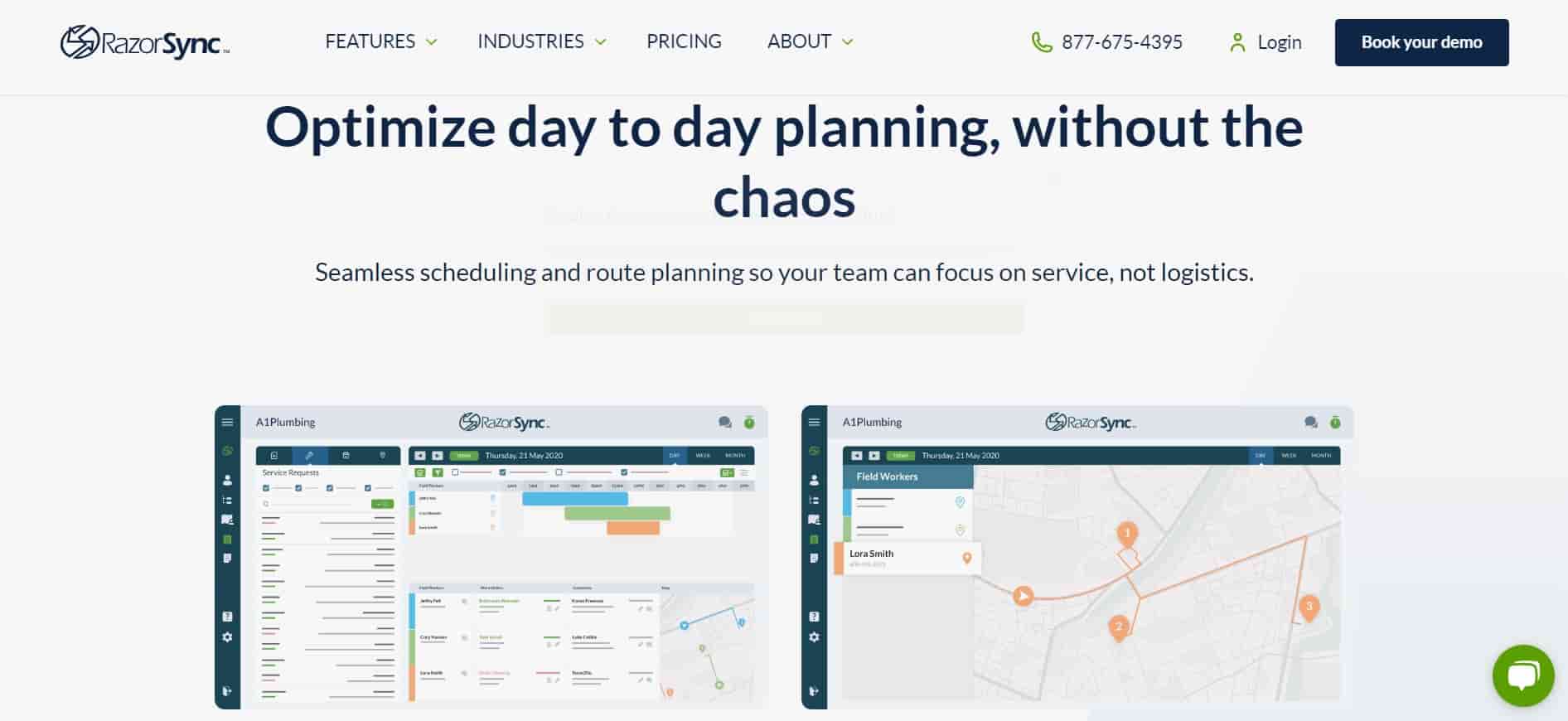
Choosing the right plumbing business management software is crucial for streamlining operations and enhancing productivity. With various options available, it’s essential to identify key features that can significantly impact your business efficiency and customer satisfaction. This guide will explore these features and their benefits, helping you make an informed decision when selecting software.
Essential Features of Plumbing Business Management Software
When assessing plumbing business management software, specific features are vital for effective management. These features not only aid in daily operations but also contribute to long-term growth and customer retention. Below is a comprehensive list of key features to consider:
- Job Scheduling and Dispatching: A robust scheduling feature allows for efficient allocation of jobs to technicians based on availability and proximity. This minimizes downtime and maximizes productivity.
- Invoicing and Payment Processing: An integrated invoicing system streamlines billing processes. This feature ensures timely payments and offers various payment options for customers, enhancing cash flow.
- Customer Relationship Management (CRM): A CRM system helps maintain customer records, track interactions, and manage follow-ups. This fosters better communication and builds long-lasting relationships with clients.
- Inventory Management: Effective inventory management tracks supplies and equipment in real-time. This prevents stock shortages and reduces wastage, ultimately lowering operational costs.
- Mobile Access: Mobile compatibility allows technicians to access job details, update statuses, and communicate with the office from the field. This flexibility improves response times and service delivery.
- Reporting and Analytics: Advanced reporting tools provide insights into business performance, helping identify trends, monitor profitability, and make data-driven decisions to enhance growth.
- Customer Portal: A dedicated customer portal enables clients to view invoices, pay bills, and schedule appointments. This self-service feature improves customer satisfaction and reduces administrative workload.
- Multi-User Access: The ability to grant different access levels to team members ensures that everyone can perform their roles effectively while maintaining data security.
These features are integral to the management of a plumbing business, as they streamline processes, enhance customer service, and provide valuable insights into operations.
Comparing Software Providers Based on Features
When looking at different software providers, it’s essential to compare them based on the features they offer. Not all software will have the same capabilities, which can significantly impact your business management experience.
| Software Provider | Job Scheduling | CRM | Mobile Access | Reporting Tools |
|---|---|---|---|---|
| Provider A | Yes | Yes | Yes | Basic |
| Provider B | Yes | No | Yes | Advanced |
| Provider C | No | Yes | No | Basic |
In this table, you can see how different providers stack up against each other in terms of essential features. Selecting software that aligns with your business needs is key; therefore, ensure that the chosen software provides a comprehensive feature set that supports efficient management and growth of your plumbing business.
“Investing in the right plumbing business management software can save time, reduce errors, and ultimately lead to increased profitability.”
Exploring the impact of plumbing business management software on customer service
In today’s competitive market, customer service can make or break a plumbing business. Plumbing business management software has emerged as a vital tool in streamlining operations while enhancing the customer experience. By integrating software solutions into daily practices, plumbing companies can not only improve efficiency but also foster better relationships with their clients.Effective communication is crucial for any service-based business, particularly in plumbing, where customers often face urgent issues.
Plumbing business management software enhances communication between plumbers and customers through features like automated notifications, real-time updates, and easy access to service history. These tools allow plumbers to keep customers informed about appointment times, service updates, and any changes, ensuring that clients feel valued and respected.
Enhance your insight with the methods and methods of hr software for small companies.
Improvement of Customer Satisfaction through Interaction Tracking
Tracking customer interactions is essential for enhancing overall satisfaction. Plumbing business management software allows companies to log every interaction with clients, from initial inquiries to post-service follow-ups. This comprehensive tracking enables businesses to identify patterns in customer behavior and preferences, tailoring their services to meet specific needs. For instance, businesses can track service requests, feedback, and complaints, allowing for timely responses and resolution.
This level of attention not only fosters trust but also encourages repeat business. Customers appreciate when their specific issues are remembered and addressed promptly.
Case Studies of Enhanced Customer Service, Plumbing business management software
Several plumbing businesses have successfully implemented management software, leading to significant improvements in customer service. For example, a plumbing company in California adopted a management system that integrated dispatching, invoicing, and customer feedback. Within six months, they reported a 30% increase in customer satisfaction ratings due to faster response times and improved communication.Another case involves a plumbing service in Texas that utilized a management software to streamline their scheduling.
By allowing customers to book appointments online and receive instant confirmations, they saw a notable decrease in missed appointments and a 25% increase in customer retention.These examples demonstrate how plumbing business management software can transform customer service, leading to higher satisfaction rates and stronger client relationships. The ability to track interactions and improve communication not only enhances operational efficiency but also elevates the overall customer experience.
Addressing common challenges when integrating plumbing business management software

Implementing plumbing business management software can significantly enhance operational efficiency and customer satisfaction. However, businesses often face several challenges during this transition. Identifying these obstacles and developing strategies to overcome them is essential for a smooth implementation process and successful adoption of new technology.One of the most common challenges faced during software integration is resistance to change. Employees may be accustomed to existing processes and hesitant to adopt new systems.
Additionally, technical issues, such as software compatibility with existing tools, can create bottlenecks. Budget constraints can also pose significant hurdles, especially for small businesses that may find the costs related to software acquisition, training, and ongoing support overwhelming.
Overcoming integration challenges
To effectively navigate these common obstacles, businesses can employ several strategies that pave the way for a successful transition to plumbing business management software. These strategies include:
- Engaging stakeholders early: Involving employees in the decision-making process helps foster a sense of ownership and reduces resistance. Gathering feedback about their needs and concerns can also ensure the software selected aligns with their workflows.
- Choosing the right software: It is essential to select a solution that integrates seamlessly with existing systems. Researching options that offer compatibility and flexibility can help mitigate technical issues before they arise.
- Providing adequate training: Training staff on the new software is crucial to its success. Offering comprehensive training sessions and ongoing support can enhance user confidence and help employees adapt more quickly.
- Establishing a clear implementation plan: Developing a step-by-step plan outlining timelines, responsibilities, and goals can keep the integration process organized and on track. This plan should include milestones for assessing progress and troubleshooting issues as they arise.
- Monitoring and feedback: After deployment, ongoing monitoring and collecting user feedback can identify areas for improvement and additional training needs, ensuring long-term success and satisfaction.
The importance of training staff to use new software efficiently cannot be overstated. Without proper training, even the best software can lead to confusion and underutilization. Businesses should consider offering a mix of initial training sessions, hands-on practice, and easy access to resources such as user manuals or online tutorials. This comprehensive approach helps ensure employees feel comfortable and competent, ultimately leading to increased productivity and better service.
“Effective training transforms a challenge into an opportunity for growth and efficiency.”
Analyzing the cost implications of plumbing business management software
Investing in plumbing business management software can seem daunting at first, but understanding the cost implications can illuminate its value. From the initial investment to the long-term savings, the financial landscape of adopting such software is multifaceted. This analysis will guide plumbing businesses through the costs and benefits associated with these systems, ensuring informed decision-making.When considering plumbing business management software, it’s essential to evaluate both the upfront costs and the potential long-term savings.
Initially, businesses may face expenses related to software purchase, hardware upgrades, and training for staff. However, the long-term savings generated from improved efficiency, reduced overhead costs, and enhanced customer satisfaction often outweigh the initial investment.
Breakdown of potential costs involved in implementing and maintaining software
Understanding the various costs involved in implementing and maintaining plumbing business management software is crucial for effective budgeting. Here’s an overview of the typical costs you might encounter:
- Initial Purchase Cost: This includes the price of the software itself, which can vary significantly based on features and capabilities. For instance, basic software solutions may start at a few hundred dollars, while more comprehensive systems can exceed several thousand dollars.
- Hardware Requirements: Depending on the software, you may need to invest in new computers, tablets, or mobile devices to run the application effectively. This can add another layer of costs, often ranging from $500 to several thousand dollars.
- Training Costs: Training existing staff on how to effectively use the software is essential. This may involve hiring a consultant or allocating time for staff training sessions, which can cost anywhere from a few hundred to a few thousand dollars.
- Subscription Fees: Many software solutions operate on a subscription basis, usually monthly or annually. This recurring fee is essential for accessing updates and customer support, often ranging from $50 to over $300 per month.
- Maintenance and Support: Ongoing technical support and routine maintenance are necessary to keep the software running smoothly. These costs can vary but typically range between $100 to $1,000 per year depending on the complexity of the system.
Implementing plumbing business management software does require a financial commitment; however, understanding these costs helps businesses plan and strategize for a successful transition.
Comparison of cost-effectiveness of different software solutions
Assessing the cost-effectiveness of various plumbing business management software solutions is vital for making an informed purchase decision. Different software solutions come with varying features, prices, and benefits. Here’s a comparative look at what is available:
- Entry-Level Solutions: These basic systems are ideal for small plumbing businesses with limited budgets. They generally offer essential features at a low cost but may lack advanced functionalities. For example, a basic invoicing software could cost around $300, but may not include inventory management or scheduling.
- Mid-Tier Solutions: Mid-tier software strikes a balance between cost and functionality, typically ranging from $1,000 to $3,000. These solutions often include features like customer relationship management (CRM), scheduling, and invoicing, which can significantly boost efficiency.
- High-End Solutions: Comprehensive software solutions can range from $3,000 to over $10,000 and include advanced features such as real-time tracking, detailed reporting, and integration with other business tools. While the upfront cost is high, the return on investment can be substantial through increased productivity and improved customer service.
- Open-Source Options: Some businesses may consider open-source software, which can be free to use. However, these often require more technical expertise to implement and maintain, and hidden costs might arise from customization and support needs.
In summary, while the initial investment in plumbing business management software may appear significant, the potential for long-term savings and operational efficiency can provide substantial returns. By carefully analyzing the associated costs and comparing the available options, plumbing businesses can choose a solution that best fits their needs and budget.
The role of mobile applications in plumbing business management software
Mobile applications are increasingly becoming a vital component of plumbing business management software, offering a level of accessibility and convenience that is essential in today’s fast-paced environment. With the ability to manage tasks from virtually anywhere, these apps empower plumbing professionals to streamline operations and enhance customer interaction, ultimately leading to improved business performance.Having mobile access to business management tools brings several advantages, particularly in the plumbing industry where technicians frequently work in the field.
Mobile applications allow for real-time updates, enabling staff to stay connected with their office and customers at all times. This immediacy can significantly boost efficiency, as scheduling, job tracking, and invoicing can all be done on-the-go.
Advantages of mobile access to business management tools
Mobile access to business management tools offers significant benefits that contribute to overall operational efficiency. The following points highlight the key advantages:
- Real-time communication: Technicians can instantly communicate with the office, share updates, and receive instructions, reducing misunderstandings and improving coordination.
- On-site job management: Technicians can access job details, manage appointments, and make updates directly from the field, ensuring that information is always current.
- Invoicing and payments: Mobile apps enable technicians to generate invoices and process payments on-site, resulting in faster payment cycles and improved cash flow.
- Efficient scheduling: With mobile access, dispatchers can assign jobs more effectively, taking into account real-time locations and availability of technicians, leading to optimized routes and reduced travel time.
Mobile apps also enhance field service management by integrating GPS functionality, which can aid in route optimization and help technicians navigate to job sites more efficiently. This capability not only saves time but can also reduce fuel expenses, which is a crucial consideration in the plumbing industry.
Mobile applications enhancing field service management and communication
The integration of mobile applications into plumbing business management software greatly enhances field service management and communication in several ways:
- Job tracking: Technicians can track job progress and report issues in real-time, allowing for quicker resolutions and increased customer satisfaction.
- Documentation: Mobile apps facilitate the easy collection of photos, notes, and signatures, which can serve as valuable documentation for both records and customer follow-up.
- Customer interaction: Technicians can communicate directly with customers regarding project updates, arrival times, and service recommendations, fostering stronger customer relationships.
- Feedback collection: After service completion, technicians can prompt customers for feedback through the app, allowing businesses to continuously improve their service quality.
Several mobile applications have gained popularity within the plumbing industry due to their utility and user-friendly interfaces. Examples include:
Popular mobile applications used in the plumbing industry
A few noteworthy mobile applications that plumbing businesses often utilize include:
- ServiceTitan: This comprehensive platform offers features for scheduling, dispatching, invoicing, and customer management, all accessible via mobile devices.
- Jobber: Jobber provides a user-friendly mobile app for managing jobs, scheduling, and invoicing, making it a favorite among small to medium-sized plumbing businesses.
- Housecall Pro: This all-in-one app allows plumbers to manage appointments, send invoices, and streamline customer communication from their mobile devices.
- mHelpDesk: This mobile-friendly solution helps plumbing businesses streamline work orders, invoicing, and customer communication in one platform.
By leveraging these mobile applications, plumbing businesses can improve their operational efficiency, enhance communication, and provide better customer service, solidifying their position in the competitive market.
Evaluating the security features necessary for plumbing business management software
In today’s digital landscape, data protection is paramount for any business, especially in sectors like plumbing where sensitive customer and financial information is frequently handled. Implementing robust security measures is essential to safeguard this data from breaches and to maintain customer trust. This section dives into the critical security features that plumbing business management software must include to protect sensitive information, along with strategies to ensure ongoing software security.
Importance of Data Protection in Business Management Solutions
With the rise of cyber threats, plumbing businesses must prioritize data protection to mitigate risks associated with data breaches. A single breach can lead to significant financial loss, damage to reputation, and legal ramifications. Therefore, the integration of strong security protocols within business management software is not just a recommendation but a necessity.
Key Security Features in Plumbing Software
When evaluating plumbing business management software, it’s crucial to look for specific security features that ensure the safety of sensitive data. The following features are fundamental:
- Data Encryption: Encrypting sensitive data during transmission and storage helps prevent unauthorized access and ensures that even if data is intercepted, it remains unreadable.
- User Authentication: Multi-factor authentication (MFA) adds an extra layer of security by requiring users to provide two or more verification factors to gain access to the software.
- Access Controls: Implementing role-based access controls ensures that employees have access only to the information necessary for their roles, minimizing the risk of internal data leaks.
- Regular Security Audits: Conducting periodic audits helps identify vulnerabilities and ensures that security measures are updated and effective against emerging threats.
- Data Backup Solutions: Regular automated backups protect against data loss due to hardware failure, natural disasters, or cyber-attacks, ensuring business continuity.
Strategies for Ensuring Ongoing Security
Maintaining security over time is essential in adapting to evolving cyber threats. The following strategies can help ensure the plumbing business management software remains secure:
- Software Updates: Regularly updating the software to patch vulnerabilities and ensure that the latest security features are implemented is critical.
- Security Training for Employees: Providing ongoing training for employees about security best practices helps create a culture of security awareness within the organization.
- Monitoring and Response: Implementing continuous monitoring systems allows for the detection of unusual activities, enabling quick response to potential security incidents.
- Vendor Security Assessments: Ensuring that third-party vendors adhere to strict security protocols is essential, as vulnerabilities can be exploited through external partnerships.
Creating a roadmap for successful software implementation in a plumbing business: Plumbing Business Management Software
Implementing plumbing business management software can transform operations, but a structured approach is crucial for success. A well-crafted roadmap will guide you through the preparation and execution phases of the software rollout, ensuring that the transition is as smooth as possible.The process of implementing new software involves several critical steps. These steps lay the foundation for a successful transition, allowing your plumbing business to leverage the full potential of the new system.
The involvement of stakeholders is vital to this process, as their insights and feedback can significantly enhance the effectiveness of the implementation strategy.
Steps for a smooth software rollout
Preparing for a software rollout requires careful planning and execution. Here are the essential steps to follow:
- Assess Current Systems: Evaluate existing processes and software to identify areas for improvement and how the new software will integrate with current operations.
- Define Objectives: Clearly Artikel what you hope to achieve with the new software, such as increased efficiency, better customer management, or improved reporting.
- Engage Stakeholders: Include team members from various departments in the planning process. Their input will provide valuable insights and help in obtaining buy-in from the entire organization.
- Plan Training Programs: Develop comprehensive training sessions tailored to different user roles. This will ensure that everyone is comfortable using the new system.
- Implement in Phases: Instead of a complete overhaul, consider a phased rollout. This allows for adjustments based on user feedback and minimizes disruption.
- Monitor Progress: Regularly check the implementation’s progress against your defined objectives and make necessary adjustments to stay on track.
Importance of stakeholder involvement
Involving stakeholders throughout the implementation process is paramount. Their perspectives can highlight potential challenges and ideas for improvement. Engaged stakeholders are more likely to support the transition, leading to a smoother adoption of the new software. A collaborative approach ensures that the software aligns with the needs of various departments, from field technicians to administrative staff. Their feedback can also help in refining training programs and addressing specific concerns, which fosters a culture of acceptance and ease during the transition.
Setting measurable goals during the transition
Establishing clear, measurable goals is essential for tracking the success of the software implementation. These goals should be specific, attainable, and relevant to your plumbing business’s unique needs. Consider the following approaches to setting these goals:
- SMART Criteria: Ensure goals are Specific, Measurable, Achievable, Relevant, and Time-bound.
- Benchmarking: Use historical data to set realistic performance benchmarks that the new software should help achieve.
- Feedback Mechanisms: Develop methods for gathering input from users post-implementation to refine goals and processes continuously.
By following these steps and focusing on stakeholder involvement and measurable goals, your plumbing business can navigate the complexities of software implementation with greater confidence and effectiveness.
Last Point
In conclusion, plumbing business management software is not just a tool; it’s a game-changer that enhances operational efficiency and customer satisfaction. By carefully selecting the right software and addressing potential challenges, plumbing businesses can pave the way for growth and success. The future of plumbing management is here, and it’s time to embrace it for a more streamlined and profitable business.
Top FAQs
What are the key benefits of using plumbing business management software?
It streamlines operations, improves customer communication, and enhances overall efficiency.
How does plumbing software improve customer service?
It allows for better tracking of customer interactions and faster responses to inquiries.
What features should I look for in plumbing business management software?
Essential features include scheduling, invoicing, customer management, and mobile access.
Is training necessary for using plumbing business management software?
Yes, proper training ensures that staff can utilize the software effectively for maximum benefits.
What are the typical costs associated with plumbing business management software?
Costs can vary greatly depending on features, but it’s important to weigh initial investments against potential long-term savings.
