Pest control business management software takes center stage as an essential tool for modern pest control companies aiming to boost operational efficiency. With the ability to streamline daily operations, this software not only enhances time management and resource allocation but also integrates automation to simplify routine tasks. As technology continues to evolve, pest control businesses can leverage these systems to improve service delivery and customer satisfaction, making it a vital component for success in a competitive market.
This software offers a range of features designed to improve productivity, including customer relationship management tools, mobile access, and real-time tracking capabilities that keep companies connected to their clients and operations. By adopting such innovative solutions, pest control companies can ensure they are not just keeping pests at bay, but also staying ahead of the competition.
The significance of pest control business management software in operational efficiency
In the competitive field of pest control, operational efficiency is paramount for success. Pest control business management software offers solutions that help companies streamline their operations, allowing them to focus on providing excellent service while effectively managing their resources. This software is designed to address the unique challenges within the industry, promoting a more organized and efficient workflow.The implementation of pest control business management software can profoundly enhance the day-to-day operations of pest control companies.
By automating repetitive tasks and providing real-time data, this software significantly reduces the time employees spend on administrative duties. Scheduling appointments, tracking inventory, managing billing, and generating reports can be seamlessly integrated within one platform, thus eliminating the need for multiple systems and reducing the likelihood of errors. Employees can dedicate more time to customer service and fieldwork, leading to increased productivity.
Impact on time management and resource allocation
Effective time management and resource allocation are crucial for pest control companies aiming to maximize their operational efficiency. The software aids in these areas by providing tools that allow for better scheduling and resource utilization. This software typically includes features for tracking technician schedules, customer appointments, and service history in real-time. By automating the scheduling process, companies can minimize gaps in the schedule, ensuring that technicians are dispatched promptly and efficiently.
The following points highlight how pest control business management software enhances time management and resource allocation:
- Real-time scheduling: Allows for immediate adjustments to appointments, optimizing technician routes and reducing travel time.
- Resource tracking: Monitors inventory levels and supplies, ensuring that technicians have the necessary equipment before heading out for jobs.
- Customer management: Keeps a comprehensive database of customer interactions, enabling quicker response times and follow-ups.
- Automated reminders: Sends notifications to customers about appointments, reducing no-show rates and improving service reliability.
Advantages of using automation in pest control tasks, Pest control business management software
Automation plays a pivotal role in improving the workflow of pest control companies. By incorporating automated processes, companies can reduce manual intervention, leading to more consistent and error-free operations.Adopting automation can transform how routine tasks are executed, enhancing both productivity and service quality. Some key advantages include:
- Increased efficiency: Automation speeds up processes such as reporting, invoicing, and customer notifications.
- Consistency in service: Automated systems ensure that tasks such as service reminders and follow-ups are handled uniformly, enhancing customer satisfaction.
- Data-driven decisions: Access to real-time data analytics allows management to make informed decisions quickly, adapting to business needs as they arise.
- Cost savings: Reducing the time spent on administrative tasks translates to lowered operational costs, allowing for better profit margins.
“The efficiency gained from automation allows pest control companies to focus on their core services, enhancing overall service delivery and customer satisfaction.”
Key features to look for in pest control business management software
In today’s competitive landscape, pest control businesses require specialized software to streamline operations and improve efficiency. The right pest control business management software not only simplifies tasks but also enhances overall productivity and customer satisfaction. Understanding the key features that can elevate your business is crucial for long-term success.One of the essential functionalities to look for is comprehensive scheduling and dispatching capabilities.
This feature allows technicians to manage their appointments efficiently, ensuring that no jobs are missed and optimizing route planning. Additionally, invoicing and payment processing features facilitate seamless financial transactions, reducing administrative burdens. Below are specific features that can genuinely enhance customer relationship management (CRM) in pest control businesses.
Essential CRM Features
A robust CRM system within your pest control management software can significantly enhance interactions with clients, leading to higher customer retention and satisfaction. Here are some vital CRM functionalities to consider:
- Customer Database Management: A centralized database that stores all customer information, including history of services, preferences, and special notes, allows for personalized service.
- Automated Follow-Up Reminders: Automated email or SMS reminders for follow-ups on service appointments help maintain communication and engagement with clients.
- Feedback Collection Tools: Integrating tools for collecting customer feedback post-service can provide valuable insights and improve service quality.
- Service History Tracking: Keeping a detailed record of treatments and services performed helps technicians understand the customer’s needs better and offer tailored solutions.
To improve operational efficiency, mobile access and real-time tracking capabilities are also fundamental aspects of effective pest control business management software.
Importance of Mobile Access and Real-Time Tracking
In an industry where technicians are often on the move, mobile access is a game-changer. It allows field technicians to access customer data, update service statuses, and communicate with the office while on-site, leading to improved service delivery. Real-time tracking capabilities provide managers with the ability to monitor technician locations and job progress, which enhances accountability and productivity. This immediate access to information ensures that teams are synchronized, reducing delays and miscommunications.
“The integration of mobile and real-time tracking features is essential for modern pest control businesses, enabling quicker responses and enhancing customer satisfaction.”
Overall, investing in pest control business management software that encompasses these key features will lead to greater operational efficiency, improved customer relationships, and ultimately, a more successful business model.
The role of pest control business management software in customer satisfaction
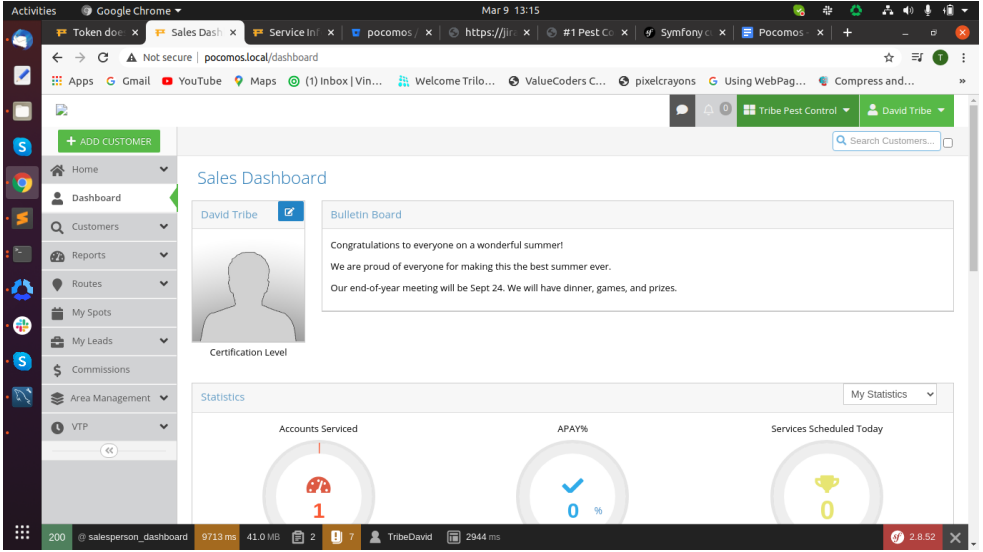
Pest control is a service-driven industry where customer satisfaction plays a pivotal role in business success. The introduction of pest control business management software has revolutionized the way companies interact with their clients, enhancing communication and service delivery. By leveraging technology, businesses can ensure that customer needs are met promptly and effectively, leading to improved trust and loyalty.
Improving communication with clients during service delivery
Effective communication is essential for building strong relationships with clients in the pest control industry. Pest control business management software enhances this communication through various channels. Clients receive real-time updates about their service appointments, technician arrival times, and any changes to scheduled services. Automated notifications via SMS or email keep clients informed, reducing anxiety and ensuring peace of mind. Additionally, the software can facilitate direct messaging between clients and service technicians, allowing for quick clarification of any service-related questions.
This open line of communication fosters transparency and demonstrates a commitment to customer care.
Significance of scheduling and reminders in customer retention
Scheduling capabilities within pest control management software play a critical role in retaining customers. By providing clients with an easy-to-use scheduling interface, businesses can allow customers to book, modify, or cancel appointments at their convenience. The ability to set reminders for upcoming services not only keeps clients engaged but also minimizes no-shows and cancellations, which can significantly impact revenue.Automated follow-ups after a service is completed remind clients of their next appointment or suggest additional treatments based on seasonal pests.
This proactive approach demonstrates that the company values the customer’s time and needs, thus enhancing the likelihood of repeat business.
Facilitating customer feedback and service adjustments
Customer feedback is invaluable for any service-oriented business, and pest control firms can greatly benefit from streamlined feedback mechanisms provided by management software. Integrated survey tools enable clients to rate their service experience immediately after completion. This real-time feedback loop allows businesses to identify areas for improvement and make necessary adjustments to their services promptly.Moreover, tracking and analyzing feedback trends over time helps pest control companies recognize recurring issues and implement strategic changes that enhance service quality.
For instance, if multiple customers report concerns about a specific treatment method, the business can evaluate and adjust its approach accordingly, leading to improved service delivery and higher customer satisfaction rates.
“Effective communication, timely scheduling, and responsive feedback mechanisms are essential for enhancing customer satisfaction in pest control services.”
Cost considerations and return on investment for pest control software
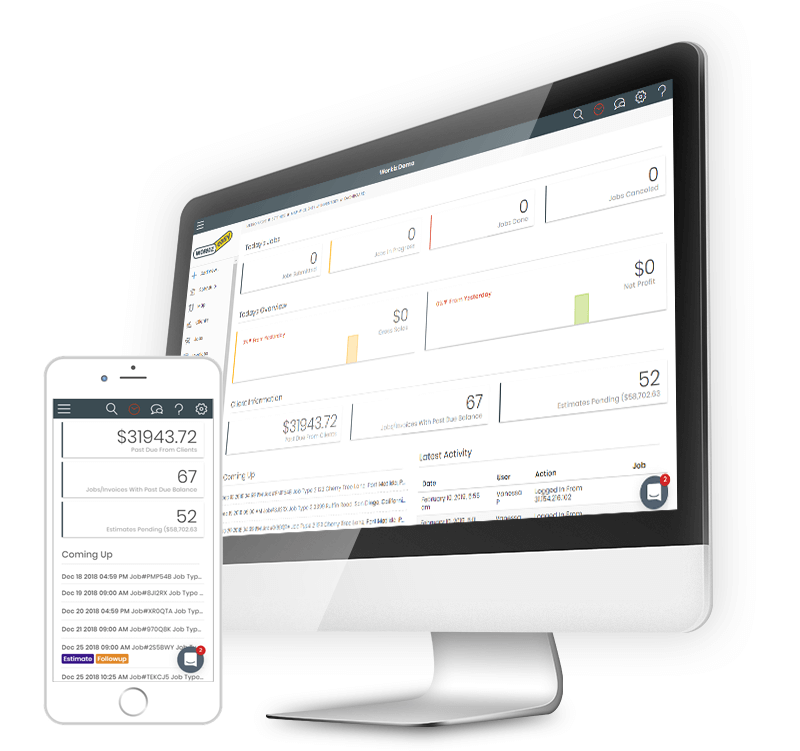
Investing in pest control business management software involves careful analysis of both immediate costs and long-term financial benefits. This software not only modernizes operations but can also lead to substantial savings when implemented thoughtfully. Understanding the financial implications is essential for any pest control business aiming to enhance efficiency and service quality while keeping an eye on the bottom line.The initial investment in pest control software can vary significantly, depending on the features, the size of the business, and any ongoing subscription fees.
However, when considered against the potential long-term savings, the upfront costs can often be justified. For instance, improved scheduling, streamlined communication, and better inventory management can reduce operational inefficiencies, leading to significant cost reductions over time.
Initial Investment vs. Long-term Savings
The decision to adopt pest control software should involve a thorough comparison between the initial investment and projected long-term savings. Here are several cost factors that should be considered:
- Software Licensing and Setup Costs: This includes the purchase price of the software, installation fees, and training costs for staff. A well-planned setup can lead to a smoother transition and faster return on investment.
- Operational Efficiency Gains: Enhanced scheduling capabilities can optimize route planning, which saves fuel costs and time. For example, companies that implement route optimization software may see fuel cost reductions of up to 20%.
- Reduction in Paperwork and Administrative Tasks: Digitizing records and automating invoicing reduces manual labor and errors, allowing employees to focus on core business activities. This shift can free up 30% of administrative time.
- Enhanced Customer Retention: Satisfied customers are more likely to return, leading to repeat business. By improving response times and service quality, businesses can increase customer retention by as much as 15%.
Hidden Costs to Consider
While evaluating pest control management software, it’s vital to account for potential hidden costs that may arise post-implementation. These costs can affect the overall return on investment significantly:
- Ongoing Support and Maintenance Fees: Many software solutions require regular updates and technical support, which can accumulate if not budgeted properly.
- Training and Adaptation Period: Adequate training sessions may be necessary for staff to become proficient in using the software, potentially leading to temporary inefficiencies during the adaptation phase.
- Integration with Existing Systems: If the software does not seamlessly integrate with current systems, additional costs may arise from having to modify or replace other software.
- Data Migration and Cleanup: Moving existing data into the new system can incur costs, especially if data cleaning is required to ensure accuracy and reliability.
Measurable ROI Metrics for Pest Control Businesses
To gauge the effectiveness of pest control management software, businesses should track specific metrics that indicate return on investment. Here are key performance indicators that can help measure ROI:
- Increased Revenue per Technician: By measuring the revenue generated by each technician before and after software adoption, businesses can ascertain financial gains directly linked to improved workflow.
- Customer Acquisition and Retention Rates: Tracking new customer sign-ups and retention rates can indicate the software’s impact on service quality and customer satisfaction.
- Reduction in Operational Costs: Calculating decreased costs in labor and materials due to improved efficiency can provide a clear view of savings attributable to the software.
- Service Time Efficiency: Analyzing the time taken to complete jobs before and after software use can reveal time savings that translate into higher productivity.
By considering both the initial investment and potential long-term benefits, pest control businesses can make informed decisions regarding management software. Understanding hidden costs and monitoring measurable ROI metrics will further refine the financial evaluation, ensuring that the chosen software aligns with the company’s operational goals and financial expectations.
Challenges faced when implementing pest control business management software
Implementing pest control business management software can be a game changer for operational efficiency, yet businesses often face several challenges during this transition. Recognizing these potential obstacles early on can help organizations prepare and adapt to ensure a successful adoption.Resistance to change is one of the most common hurdles encountered. Employees may feel overwhelmed or skeptical about new technology, fearing it might complicate their daily tasks.
To address these concerns, it’s essential to foster a positive attitude towards change and provide comprehensive training. Moreover, the integration process itself can prove complex, particularly if existing systems are outdated or incompatible with new software. This complexity necessitates a clear plan for integration that addresses data migration and software compatibility.
Expand your understanding about fishbowl warehouse management with the sources we offer.
Common obstacles during software adoption
Several challenges can impede the successful implementation of pest control business management software. Understanding these issues enables businesses to create strategies that facilitate a smoother transition. Key obstacles include:
- Employee Resistance: A common issue where employees are reluctant to adopt new tools due to fear of the unknown or concerns over job security.
- Insufficient Training: Without proper training, staff may struggle to utilize the software effectively, leading to frustration and decreased productivity.
- Integration Issues: Existing systems may not integrate smoothly with new software, causing data loss or workflow disruptions.
- Costs of Implementation: Hidden costs can arise during implementation, such as additional training or unforeseen technical support that can strain budgets.
- Lack of Support: Insufficient vendor support during the implementation phase can lead to unresolved technical issues and employee frustration.
Strategies to overcome resistance from staff
To ensure user adoption and minimize resistance, businesses should implement several strategies that encourage staff participation and buy-in:
- Involve Employees Early: Engage staff in the selection and planning phases to give them a sense of ownership and reduce apprehension.
- Provide Clear Benefits: Communicate how the new software simplifies their tasks and enhances productivity, rather than merely highlighting features.
- Offer Comprehensive Training: Conduct hands-on training sessions to familiarize employees with the software, ensuring they feel confident in its use.
- Encourage Feedback: Create a channel for employees to voice their concerns or suggestions, making them feel valued and heard during the transition.
- Recognize and Reward Adoption: Acknowledge early adopters and those who embrace the change, which can motivate others to follow suit.
Step-by-step guide to troubleshoot common issues during implementation
When issues arise during the implementation of pest control business management software, following a structured troubleshooting guide can be beneficial. Here’s a practical approach to addressing common challenges:
- Step 1: Identify the Issue: Clearly define the problem, whether it’s technical, operational, or related to user experience.
- Step 2: Consult Documentation: Refer to user manuals and vendor documentation for insights on resolving specific issues.
- Step 3: Engage Technical Support: Reach out to the software vendor’s support team for assistance with unresolved problems.
- Step 4: Reassess Integration: Check for any integration errors with existing systems that may need to be corrected.
- Step 5: Monitor User Feedback: Continuously collect feedback from users to identify persisting issues and address them promptly.
- Step 6: Adjust Training Programs: If recurring issues are noted, consider refining training efforts to better prepare staff for using the software.
Future trends in pest control business management software development
The pest control industry is rapidly evolving, with advancements in technology paving the way for more efficient and effective solutions. As businesses look to optimize their operations and enhance customer satisfaction, the integration of new technologies into pest control management software is becoming increasingly vital. This segment explores the emerging trends that are set to influence the future of pest control business management software.
Emerging technologies influencing software capabilities
Several cutting-edge technologies are reshaping the landscape of pest control business management software. These innovations not only enhance operational efficiency but also improve service delivery.
- Artificial Intelligence (AI): AI is being increasingly utilized for predictive analytics, allowing pest control companies to forecast pest infestations based on environmental data. For example, machine learning algorithms can analyze weather patterns to predict the likelihood of pest outbreaks, enabling proactive service scheduling.
- Internet of Things (IoT): IoT devices, such as smart traps and monitoring systems, are revolutionizing pest control. These devices can relay real-time data to management software, allowing for immediate response to pest activity. This integration streamlines operations and enhances service accuracy.
- Mobile Technology: Mobile apps are becoming essential tools for technicians in the field. With features such as real-time reporting and customer communication, mobile technology improves service efficiency and customer engagement.
Advancements in data analytics shaping management
The role of data analytics in pest control management is growing, with advanced analytics tools offering businesses deeper insights into operations and customer behavior.
- Enhanced Reporting: With sophisticated data analytics, pest control companies can generate detailed reports on service performance, pest trends, and customer satisfaction. This data-driven approach aids in making informed decisions to enhance service quality.
- Customer Segmentation: By analyzing customer data, businesses can identify patterns and preferences, allowing for targeted marketing strategies. For instance, companies can tailor promotions for specific demographics based on previous interactions.
- Operational Efficiency: Data analytics enables businesses to track technician routes, optimize schedules, and reduce operational costs. This results in a more efficient use of resources and improved service delivery.
Integration with other services or platforms
The potential for integration with other services and platforms is another significant trend in pest control business management software development. This interconnectedness can enhance functionality and improve overall customer experience.
- CRM Integration: Integrating customer relationship management (CRM) systems with pest control software allows for better customer tracking and management. This leads to improved communication, personalized service, and increased customer retention.
- Accounting Software Integration: Linking pest control management software with accounting systems can streamline billing and invoicing processes. This ensures accurate financial reporting and simplifies payment management for both companies and clients.
- Collaboration Platforms: Integration with platforms such as Slack or Microsoft Teams enables seamless communication among team members, enhancing coordination and response times during pest control operations.
Case studies of successful pest control business management software implementation
The implementation of pest control business management software has transformed various companies, leading to significant enhancements in operational efficiency, customer satisfaction, and overall profitability. These case studies illustrate the tangible benefits that stem from adopting such technologies, showcasing the specific improvements achieved by businesses in the pest control industry.
Notable Success Stories
Several pest control companies have successfully integrated management software, experiencing remarkable transformations in their operations. Below are detailed examples that highlight the effectiveness of these implementations.
- ABC Pest Solutions: This company, based in Dallas, Texas, implemented a comprehensive pest control management software that streamlined their scheduling and invoicing processes. Post-implementation, they reported a 30% reduction in administrative time and a 40% increase in customer retention. The software allowed for better tracking of service histories, enabling tailored services for clients.
- GreenShield Pest Control: Operating in the California region, GreenShield adopted a mobile-friendly pest control management app that empowered technicians to access customer information and service schedules in real-time. They noted a 50% reduction in service call resolution time and a 25% increase in upselling additional services, thanks to timely access to customer data.
- SafeGuard Pest Services: This New Jersey-based business leveraged pest control management software for route optimization and customer communication. They saw an improvement in technician productivity by 35% due to optimized routing, which minimized travel time. Additionally, customer feedback scores improved by 20%, as customers appreciated timely updates and proactive service notifications.
The measurable improvements observed in these companies underline the critical role that well-implemented software solutions play in enhancing operational efficiencies and service quality. It is essential for businesses to understand these results to gauge the potential impact of such systems for their operations.
“Investing in the right pest control business management software can lead to a significant return on investment, both in terms of cost savings and enhanced customer satisfaction.”
Key takeaways from these success stories include:
- Streamlined operations lead to significant time savings and improved service delivery.
- Access to real-time data enables technicians to provide more personalized and efficient service.
- Effective communication tools within the software enhance customer satisfaction and loyalty.
- Investing in technology not only boosts productivity but also helps in upselling services and increasing revenue.
These examples serve as powerful illustrations of how pest control businesses can benefit from management software, driving both operational efficiency and customer satisfaction.
Last Word

In summary, pest control business management software emerges as a game-changer for those in the pest control industry. By streamlining operations, enhancing customer communication, and providing measurable returns on investment, this software stands out as a must-have for businesses looking to thrive. As we look towards the future, the continued integration of technology will only further empower pest control companies to deliver exceptional service while maintaining high levels of customer satisfaction.
FAQ Compilation: Pest Control Business Management Software
What are the key benefits of using pest control business management software?
The key benefits include improved operational efficiency, better resource management, enhanced customer communication, and increased overall productivity.
How does this software improve customer satisfaction?
This software improves customer satisfaction by facilitating better communication, providing scheduling and reminders, and enabling feedback collection for service adjustments.
What features should I prioritize when choosing pest control software?
Prioritize features like customer relationship management tools, mobile access, real-time tracking, and automation capabilities to enhance productivity.
Are there hidden costs associated with pest control management software?
Yes, hidden costs can include training for staff, ongoing maintenance fees, and subscription costs that may not be immediately evident during the initial purchase.
How can I ensure staff adoption of the new software?
To ensure staff adoption, provide comprehensive training, involve them in the selection process, and highlight the time-saving benefits of the software.
