Manufacturing inventory management software plays a crucial role in today’s fast-paced market, helping businesses streamline their operations and optimize resources. As manufacturers face increasing pressure to meet customer demands while controlling costs, effective inventory management has become a key factor in maintaining competitiveness. This software not only aids in tracking inventory levels but also enhances operational efficiency, enabling manufacturers to respond more swiftly to market changes.
In an era where the dynamics of the market are constantly shifting, the need for robust inventory management solutions has never been more pronounced. Companies that harness the power of this software can improve their productivity, minimize waste, and ensure customer satisfaction, all while keeping a close eye on their bottom line. By understanding the benefits and features of manufacturing inventory management software, businesses can make informed decisions that pave the way for success.
The Importance of Manufacturing Inventory Management Software in Today’s Market

In an era where competition is fierce and consumer demands are constantly evolving, effective inventory management has become a cornerstone of successful manufacturing operations. The rapid pace at which market conditions change—spurred by advancements in technology, globalization, and shifting consumer preferences—means that manufacturers must adopt agile strategies to stay ahead. This is where manufacturing inventory management software plays a pivotal role, enabling organizations to streamline their operations and respond swiftly to market fluctuations.
The need for precise inventory management is underscored by multiple market dynamics. With a growing emphasis on just-in-time (JIT) manufacturing, companies now face the challenge of balancing minimal inventory levels with the demand for immediate product availability. The integration of inventory management software allows manufacturers to maintain a clear overview of stock levels, thus reducing excess inventory and associated carrying costs.
Furthermore, real-time data analytics provides insights into sales trends and seasonal variations, empowering manufacturers to make informed decisions and optimize their supply chains.
Operational Efficiency and Inventory Management Software
Inventory management software is directly linked to operational efficiency, acting as a catalyst for productivity and cost savings. Efficient inventory practices enhance the flow of materials, reduce lead times, and improve order fulfillment rates. By automating routine processes such as stock tracking, reordering, and forecasting, manufacturers can minimize human error and free up valuable employee time for more strategic tasks.
The consequences of not implementing proper inventory management tools can be significant. Key challenges faced by manufacturers who lack these tools include:
- Increased Operational Costs: Without accurate tracking, companies may overstock or understock, leading to unnecessary expenses or lost sales.
- Poor Customer Satisfaction: Delays in order fulfillment due to inadequate inventory visibility can result in dissatisfied customers, damaging brand reputation and loyalty.
- Inaccurate Forecasting: Traditional inventory methods often rely on outdated data, making it difficult to anticipate demand fluctuations and adjust production schedules accordingly.
- Compliance Risks: In regulated industries, poor inventory management can lead to failures in compliance, risking fines and operational disruptions.
- Supply Chain Disruptions: Lack of visibility into inventory levels can hinder communication with suppliers, complicating procurement processes and jeopardizing production timelines.
By addressing these challenges with robust inventory management software, manufacturers can enhance their operational frameworks, align inventory levels with demand, and create a more resilient business model. The modern marketplace requires agility, and effective inventory management is critical to achieving that agility.
Key Features to Look for in Manufacturing Inventory Management Software
In the fast-paced world of manufacturing, having the right inventory management software can make all the difference. The effectiveness of such software hinges on a variety of key features that streamline operations, enhance accuracy, and ultimately lead to improved profitability. Understanding these essential functionalities enables manufacturers to choose a solution that best meets their unique needs.One of the crucial aspects of effective inventory management software is its ability to provide real-time tracking.
This feature allows manufacturers to monitor their stock levels continuously and make informed decisions based on accurate data. For example, when a machine requires specific materials, real-time tracking ensures that the necessary components are readily available, preventing costly downtime. Moreover, robust reporting capabilities complement real-time tracking by offering insights into inventory turnover rates, seasonal trends, and supplier performance, allowing for data-driven strategies that enhance operational efficiency.
Essential Functionalities for Manufacturers
When evaluating manufacturing inventory management software, certain functionalities are indispensable for optimizing operations. Below are the must-have features that cater specifically to manufacturers:
- Real-Time Inventory Tracking: This feature monitors stock levels in real-time, ensuring accurate data on hand and preventing stockouts.
- Barcode Scanning: Scanning capabilities streamline the process of tracking inventory movement, improving both speed and accuracy.
- Automated Reordering: Automated triggers for reordering stock when levels fall below a specific threshold help maintain optimal inventory levels.
- Multi-Location Management: For manufacturers operating in various locations, the ability to manage inventory across multiple sites becomes crucial for efficiency.
- Integration with Other Systems: Compatibility with existing ERP, CRM, and accounting systems enables seamless data sharing and reduces redundancy.
- Reporting and Analytics: Advanced reporting tools facilitate in-depth analysis of inventory performance, aiding in better forecasting and strategic decision-making.
- Supplier Management: Features that allow tracking and assessing supplier performance ensure that manufacturers maintain high-quality materials and services.
- Customizable Dashboards: User-friendly dashboards allow manufacturers to visualize metrics that are important to their operations, providing quick insights into inventory health.
- Expiration Date Tracking: This is particularly crucial for manufacturers dealing with perishable goods to minimize waste and ensure compliance.
- Mobile Access: Access to inventory management tools via mobile devices enables on-the-go decision-making and enhances flexibility in operations.
The selection of inventory management software should hinge on these critical functionalities, as they directly impact the efficiency and effectiveness of manufacturing operations. Different software solutions vary in the depth and effectiveness of these features, so manufacturers must take the time to compare and assess their options. A system that encompasses strong real-time tracking coupled with comprehensive reporting capabilities will empower manufacturers to stay ahead of the competition and adapt to ever-changing market demands.
“Effective inventory management is not just about having stock on hand; it’s about understanding when you need it and how much is necessary.”
As manufacturers sift through various software options, focusing on these key features will ensure that they are equipped with tools that enhance productivity, reduce costs, and improve overall operational excellence.
Benefits of Implementing Manufacturing Inventory Management Software
Implementing manufacturing inventory management software can significantly enhance operational efficiency and reduce costs across various sectors of the industry. In today’s competitive landscape, businesses are seeking to streamline processes and maximize profit margins. This software acts as a crucial tool in achieving those goals, optimizing inventory management practices that are vital for success.One of the primary benefits of this software is its ability to enhance productivity.
By automating various tasks such as inventory tracking, order processing, and stock replenishment, manufacturers can allocate resources more effectively and focus on core business activities. A study conducted by the University of Massachusetts found that companies that adopted inventory management systems saw an average productivity increase of 25%. This improvement is largely due to the reduction in manual errors and the time saved in inventory handling.
Cost Reduction Through Efficiency
The implementation of manufacturing inventory management software leads to significant cost reductions. By minimizing excess inventory and avoiding stockouts, companies can optimize their cash flows. For instance, a case study with a mid-sized manufacturing firm revealed that after adopting such software, they reduced their carrying costs by 30% within the first year. This reduction was attributed to better inventory turnover rates and more accurate demand forecasting.In addition, the software provides real-time insights into inventory levels, allowing businesses to make informed purchasing decisions.
This capability prevents overstock situations and ensures that capital is not tied up in unsold goods. By analyzing sales patterns and trends, manufacturers can predict demand more accurately, leading to improved purchasing strategies and lower procurement costs.
“Effective inventory management is not just about keeping stock; it’s about understanding the market and responding efficiently.”
Another significant benefit is improved inventory accuracy, which directly contributes to customer satisfaction. When businesses have accurate inventory data, they can fulfill orders more reliably, leading to timely deliveries and improved service levels. A survey by the National Association of Manufacturers indicated that companies with advanced inventory management systems experienced a 23% increase in customer satisfaction ratings. This improvement is crucial in retaining customers and building brand loyalty in an era where consumers expect prompt service.To illustrate this further, consider a manufacturing company that experienced a 15% increase in sales after implementing inventory management software.
The software provided them with accurate counts and forecasts, enabling them to meet customer demand without delays. As a result, their reputation for reliability strengthened, attracting new clients and boosting overall sales performance.In summary, the benefits of implementing manufacturing inventory management software are clear. Enhanced productivity, cost reduction, and improved inventory accuracy not only drive operational efficiency but also elevate customer satisfaction, ensuring long-term success in the market.
How to Choose the Right Manufacturing Inventory Management Software for Your Business
Selecting the right manufacturing inventory management software is crucial for optimizing operations and increasing efficiency in your business. It requires careful consideration of your unique business needs, scalability, and potential pitfalls. Here’s a structured guide to help you assess your requirements before making a decision.
Step-by-Step Guide to Assessing Business Needs
Before diving into software options, it’s essential to evaluate your specific needs. This will ensure that the software you choose aligns perfectly with your business goals. Here’s how to do it:
- Identify Your Current Inventory Processes: Analyze your existing inventory management practices to understand strengths and weaknesses.
- Set Clear Objectives: Determine what you hope to achieve with the new software, such as reducing excess stock or improving order accuracy.
- Engage Stakeholders: Involve team members from various departments to gather insights on their needs and expectations from the software.
- Determine Integration Needs: Assess if the software needs to integrate with existing systems like ERP or accounting software.
- Establish a Budget: Define how much your business can realistically invest in inventory management software.
- Consider Compliance Requirements: Ensure that the software meets industry regulations and standards relevant to your business.
- Artikel Future Growth Plans: Consider anticipated growth and how the software can scale alongside your business.
Importance of Scalability and Flexibility
When choosing inventory management software, it is vital to select a solution that offers both scalability and flexibility. Scalability ensures that as your business grows, the software can handle increased complexity without requiring a complete overhaul. Flexibility allows customization of features to adapt to changing business needs or market conditions. This adaptability is essential in today’s fast-paced market environment, where customer demands can shift rapidly.
Common Pitfalls in Software Selection
Many businesses fall into specific traps when selecting inventory management software. Recognizing these pitfalls can help you make a more informed choice:
Choosing software based solely on price can lead to inadequate functionality.
- Neglecting to evaluate user experience can result in poor adoption rates among employees.
- Overlooking vendor support and training options may lead to challenges post-implementation.
- Failing to conduct a thorough needs assessment can result in selecting software that doesn’t meet essential requirements.
- Ignoring reviews and case studies from similar businesses can lead to uninformed decisions.
The Role of Technology Trends in Shaping Manufacturing Inventory Management Software
In the ever-evolving landscape of manufacturing, technology trends play a pivotal role in revolutionizing inventory management practices. With the integration of advanced technologies like Artificial Intelligence (AI) and the Internet of Things (IoT), businesses are experiencing significant shifts in how they manage their inventory. These technologies not only streamline processes but also enhance decision-making capabilities, leading to increased efficiency and reduced costs in operations.The integration of AI and IoT into inventory management systems enables manufacturers to harness vast amounts of data for informed decision-making.
AI algorithms can analyze historical data and predict future inventory needs based on patterns and trends, allowing companies to optimize stock levels and avoid overstocking or stockouts. IoT devices, such as smart sensors and RFID tags, provide real-time visibility into inventory levels and location, ensuring that manufacturers can track products throughout the supply chain seamlessly. This technological synergy leads to a more responsive and agile inventory management process.
In this topic, you find that hris small business is very useful.
Comparison of Traditional and Technology-Driven Inventory Practices, Manufacturing inventory management software
Traditional inventory management practices often rely on manual processes and periodic stock counts, which can lead to inaccuracies and inefficiencies. Here’s how technology-driven approaches outperform these traditional methods:
Real-Time Tracking
Traditional systems lack real-time visibility, making it challenging to respond to inventory discrepancies. In contrast, IoT technologies offer immediate insights into stock levels, enhancing responsiveness to changes in demand.
Predictive Analytics
Traditional inventory management is often reactive, while modern systems utilize AI-driven predictive analytics to forecast demand accurately. This foresight allows businesses to make proactive decisions regarding stock replenishment.
Automation
Manual processes involved in traditional inventory management are prone to human error. Technology-enhanced systems automate repetitive tasks, reducing errors and freeing up staff to focus on strategic initiatives.
Cost Efficiency
Traditional methods can incur higher holding costs due to excess inventory. By leveraging real-time data and analytics, technology-driven solutions minimize excess stock, thereby improving cash flow and overall profitability.
Integration Capabilities
Unlike traditional systems that may operate in silos, modern inventory management software easily integrates with other business systems like ERP and CRM. This interconnectedness fosters improved collaboration and data sharing across departments.Adopting AI and IoT not only enhances operational efficiency but also contributes to smarter decision-making in manufacturing processes. Companies that embrace these technologies can expect to see improved accuracy in inventory handling, leading to better customer satisfaction and reduced operational costs.
Successful Implementation Strategies for Manufacturing Inventory Management Software
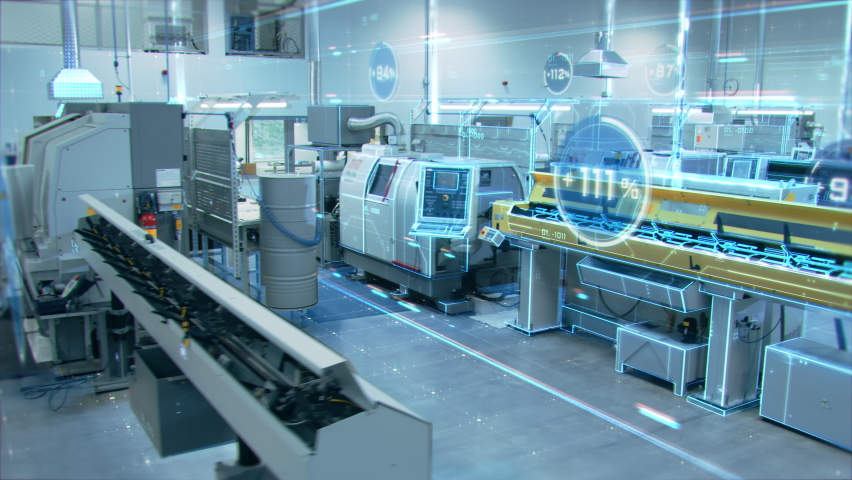
Implementing inventory management software in a manufacturing environment can be a transformative journey that enhances efficiency, accuracy, and overall productivity. The process, however, requires careful planning and execution to ensure that the transition is smooth and beneficial. Successful implementation strategies not only involve selecting the right software but also engaging employees and ensuring they are well-equipped to navigate the new system.A systematic approach to the implementation process is critical.
It typically involves several key steps that can help mitigate challenges and facilitate a successful transition. Firstly, it is essential to establish a project team that includes representatives from various departments, such as IT, operations, and finance. This team will be responsible for overseeing the implementation process and addressing any concerns that may arise.
Importance of Training and Support for Employees
The transition to new software demands comprehensive training and support for employees. This ensures they can effectively utilize the system to its full potential. Training sessions should be tailored to different roles within the organization, focusing on how the software can enhance their specific tasks. This not only boosts confidence among staff but also helps minimize resistance to change.Furthermore, ongoing support is vital during the initial rollout phase.
Consider implementing a helpdesk or a designated support person who is well-versed in the new system. This support framework allows employees to seek assistance when they encounter challenges, fostering a culture of continuous learning.The checklist below Artikels critical tasks to complete during the implementation phase, ensuring nothing is overlooked:
- Define the goals and objectives for the software implementation.
- Select an appropriate software solution that aligns with business needs.
- Create a detailed project plan outlining timelines and responsibilities.
- Formulate a training schedule for all users.
- Conduct data migration with careful validation to ensure accuracy.
- Customize the software features to meet specific operational requirements.
- Test the software in a controlled environment before full rollout.
- Gather feedback from users and make necessary adjustments.
- Establish metrics to measure the success of the implementation.
- Plan for a post-implementation review to assess the effectiveness of the software.
“A well-implemented inventory management system is not just a software upgrade; it’s a strategic enhancement that can drive your manufacturing operation forward.”
Adhering to these strategic steps and prioritizing employee training and support will set a solid foundation for a successful implementation, ensuring that the organization reaps the full benefits of its investment in inventory management software.
Future Trends in Manufacturing Inventory Management Software
The landscape of manufacturing inventory management software is poised to undergo significant transformations over the next decade. As technology continues to evolve, we can expect innovations that enhance efficiency, accuracy, and overall management capabilities. With increasing competition and the pressure to optimize operations, manufacturers must stay informed about these trends to maintain their edge in the market.Anticipated innovations in inventory management software will revolve around several key areas, including artificial intelligence (AI), machine learning, and the Internet of Things (IoT).
These technologies will facilitate real-time data analytics, predictive maintenance, and automated inventory tracking, creating a more interconnected manufacturing environment. Companies that leverage these innovations can expect improved decision-making capabilities and a reduction in operational costs.
Preparation Strategies for Manufacturers
To successfully navigate the impending changes in manufacturing inventory management software, businesses should consider proactive strategies that align with technological advancements. Here are essential steps for manufacturers:
- Invest in Training: Equip employees with the skills necessary to utilize advanced software tools effectively. Continuous training programs will ensure that the workforce remains adaptable to new technologies.
- Embrace Cloud Computing: Transition to cloud-based inventory management systems that offer scalability and flexibility. Cloud solutions can support remote access and facilitate real-time collaboration across different sites.
- Collaborate with Tech Providers: Establish partnerships with software developers and technology firms to stay abreast of the latest innovations and tailor solutions to specific business needs.
- Conduct Regular Audits: Regular assessments of your inventory systems will help identify areas for improvement and ensure alignment with industry best practices.
As software evolves, manufacturers may face challenges such as data security concerns, integration complexities, and resistance to change from employees. To mitigate these challenges, companies should implement robust cybersecurity measures, prioritize user-friendly software solutions that simplify integration, and foster a culture of openness to change through effective communication and leadership.Investing in future-ready inventory management solutions will not only enhance operational efficiency but also position manufacturers favorably in an increasingly competitive market landscape.
Case Studies of Successful Manufacturing Inventory Management Software Adoption
The adoption of manufacturing inventory management software has proven transformative for various companies, leading to enhanced efficiency, reduced costs, and improved decision-making. Examining specific case studies can provide valuable insights for manufacturers looking to implement similar solutions in their operations.
Case Study: Tech Manufacturing Co.
Tech Manufacturing Co., a mid-sized electronics manufacturer, implemented a leading inventory management software called Fishbowl Inventory. This solution allowed Tech Manufacturing to track raw materials, work-in-progress, and finished goods in real-time. Prior to implementation, the company faced significant challenges, including inventory discrepancies, stockouts, and production delays. After adopting Fishbowl, Tech Manufacturing reported a 30% reduction in inventory holding costs and a 25% increase in order fulfillment speed within the first six months.
The measurable outcomes were significant:
Inventory Accuracy
The accuracy improved from 75% to 95% post-implementation.
Operational Efficiency
Streamlined operations led to a 20% increase in overall productivity.
Customer Satisfaction
Improved order accuracy resulted in customer satisfaction ratings rising by 15%.The lessons learned included the importance of training staff on the new system and regularly updating inventory processes to keep pace with business growth.
Case Study: Precision Parts Manufacturer
Another compelling example is a precision parts manufacturer, Precision Parts Ltd., which decided to implement SAP Business One for inventory and production management. The company struggled with managing a large number of SKUs and inefficient workflows. By utilizing SAP Business One, Precision Parts achieved a remarkable 40% reduction in excess inventory levels and improved production scheduling.The results were notable:
Cost Savings
Reduced carrying costs by 30%, allowing for reinvestment in new product lines.
Lead Times
Decreased lead times from 10 days to 5 days, enhancing responsiveness to customer demands.
Data-Driven Decisions
With real-time data analytics, the management team could make informed decisions, resulting in a 20% increase in profit margins.Key takeaways from this case highlighted the necessity of integrating inventory management software with existing ERP systems for seamless operations.
Case Study: Global Packaging Solutions
Global Packaging Solutions, a leader in the sustainable packaging sector, implemented Oracle NetSuite to streamline their inventory management processes. The organization faced challenges with inventory visibility across multiple warehouses and fluctuating demand patterns. Post-implementation, the company saw:
Visibility Enhancements
A 50% improvement in inventory visibility across all sites.
Demand Forecasting
Better forecasting capabilities, which led to a 35% reduction in stockouts during peak seasons.
Sustainability Goals
Enhanced ability to track materials, aligning with their sustainability initiatives.The lessons learned underscore the importance of a clearly defined implementation strategy and ongoing support to ensure user adoption and system optimization.These case studies illustrate the diverse benefits of adopting inventory management software and provide a roadmap for other manufacturers aiming to enhance their operational efficiency and customer satisfaction.
Last Word

In summary, manufacturing inventory management software is not just a tool; it is a strategic asset that can transform how manufacturers operate in a competitive landscape. By implementing the right solutions and keeping abreast of technology trends, companies can position themselves for growth and efficiency in the future. The journey toward optimized inventory management is ongoing, but with the right approach, manufacturers can achieve remarkable outcomes that benefit both their operations and their customers.
FAQ Section
What is manufacturing inventory management software?
It is a software solution designed to help manufacturers track and manage inventory levels, orders, and production processes efficiently.
How can this software improve operational efficiency?
By automating inventory tracking and providing real-time data, it allows manufacturers to make informed decisions, reduce waste, and streamline operations.
What are the common features of manufacturing inventory management software?
Key features often include real-time tracking, reporting capabilities, order management, and integration with other systems like ERP.
Is training necessary when implementing this software?
Yes, proper training is essential to ensure that employees can effectively use the software and maximize its benefits.
How does this software contribute to customer satisfaction?
Improved inventory accuracy leads to better order fulfillment, timely deliveries, and higher quality products, all of which enhance customer satisfaction.
