hris small business offers a transformative approach for small enterprises looking to streamline their human resource operations. In today’s competitive landscape, managing HR efficiently is crucial for sustained growth and can significantly impact a business’s bottom line. By implementing a Human Resource Information System (HRIS), small businesses can tackle common HR challenges such as time-consuming administrative tasks, data management inefficiencies, and compliance issues.
In this discussion, we’ll explore the specifics of how HRIS can enhance operational efficiency and empower small teams to focus on strategic initiatives.
From automated payroll processing to employee self-service options, an effective HRIS can simplify numerous tasks that often burden small business owners. With a well-chosen system, companies can not only improve their HR functions but also foster a more engaged and productive workforce.
Understanding the Importance of HRIS for Small Businesses
Small businesses often juggle numerous responsibilities, and managing human resources can be daunting. With limited staff and resources, small business owners frequently face unique challenges when it comes to HR management, from recruitment and onboarding to compliance and payroll processing. An effective Human Resource Information System (HRIS) can significantly alleviate these pressures, making HR management more efficient and contributing to the overall growth of the business.Managing human resources in a small business can become overwhelming when handling employee records, benefits administration, and regulatory compliance.
Many small businesses operate without dedicated HR personnel, which amplifies the risk of errors and inefficiencies. An HRIS is crucial because it centralizes all HR data, automating routine tasks and allowing business owners to focus on strategic initiatives. By implementing an HRIS, small businesses can streamline processes, reduce administrative burden, and ensure compliance with labor laws.
Challenges Faced by Small Businesses, Hris small business
Small businesses encounter several specific challenges in managing human resources effectively. Recognizing these hurdles is essential for understanding the value of an HRIS.
- Limited Resources: Small businesses often operate with minimal staff, making it difficult to dedicate time and expertise to HR functions.
- Compliance Risks: Navigating labor laws and regulations can be complex, and non-compliance can lead to significant penalties.
- Time Constraints: Business owners and managers find themselves stretched thin, making it challenging to manage HR tasks while focusing on core business activities.
- Data Management: Keeping track of employee information, performance reviews, and payroll can become cumbersome without a proper system in place.
Efficiency Gains Through HRIS
An HRIS can transform how small businesses manage their human resources, leading to substantial efficiency gains. By automating key processes, an HRIS can simplify administrative tasks that often consume valuable time.
- Automated Payroll Processing: An HRIS can handle payroll calculations and tax deductions automatically, reducing errors and saving time.
- Centralized Employee Records: Keeping all employee data in one system eliminates the need for manual record-keeping and minimizes the risk of loss or misfiled information.
- Streamlined Recruitment: HRIS solutions often include tools for applicant tracking, allowing businesses to efficiently manage job postings and candidate applications.
- Performance Management: With built-in performance tracking features, small businesses can easily monitor employee performance and conduct reviews without extensive paperwork.
“Investing in an HRIS can reduce the time spent on administrative tasks by up to 50%, freeing up resources for strategic growth.”
The implementation of an HRIS is not just about technology; it represents a strategic move toward enhancing operational efficiency and supporting business growth. By embracing these systems, small businesses can better manage their human resources, resulting in a more engaged workforce and a healthier bottom line.
Key Features of HRIS Systems for Small Enterprises

In today’s fast-paced business environment, small enterprises face unique challenges when it comes to managing their human resources effectively. An HRIS (Human Resource Information System) can play a crucial role in streamlining HR processes, enhancing productivity, and ensuring compliance. Identifying the key features of an HRIS that align with the specific needs of small businesses can significantly impact their operational efficiency and employee satisfaction.Essential features in an HRIS for small businesses include user-friendly interfaces, scalability, and customizable modules.
These characteristics help ensure that the system can adapt to the evolving needs of the business while remaining accessible to users of varying technical skill levels. Moreover, small enterprises can greatly benefit from specific functionalities such as automated payroll processing and employee self-service options, which can save time and reduce errors.
Essential Features to Consider
When searching for an HRIS, small businesses should prioritize the following essential features that facilitate effective HR management:
- User-Friendly Interface: A simple and intuitive interface allows HR personnel and employees to navigate the system effortlessly, reducing training time and increasing user adoption.
- Automated Payroll Processing: This feature helps calculate salaries, taxes, and deductions automatically, minimizing the risk of errors and ensuring timely payments to employees.
- Employee Self-Service Options: Allowing employees to access their profiles, benefits, and pay stubs empowers them and reduces the administrative burden on HR teams.
- Time and Attendance Tracking: Integrated systems for tracking hours worked, attendance, and leave requests assist businesses in managing workforce availability effectively.
- Compliance Management: An HRIS should ensure that the business adheres to labor laws and regulations, automatically updating to reflect any changes in legislation.
- Reporting and Analytics: Offering insights into workforce metrics helps HR make informed decisions regarding hiring, turnover, and employee development.
Automated payroll processing serves as a cornerstone feature for small businesses. It streamlines the payroll cycle by integrating timekeeping with payroll calculations, which helps eliminate manual data entry errors. By automating tax calculations and generating pay stubs, businesses can ensure accuracy and compliance. For instance, a small business owner can save several hours each payroll period, which translates to cost savings and improved cash flow management.Employee self-service options are equally important, as they allow staff to manage their own information, such as updating personal details, submitting leave requests, and accessing pay information.
This functionality not only enhances employee satisfaction but also reduces the administrative workload on HR teams, enabling them to focus on strategic initiatives instead of routine inquiries.
Comparison of HRIS Platforms
Different HRIS platforms cater specifically to small business needs, offering a range of functionalities tailored to their requirements. When evaluating HRIS options, consider the following popular platforms that are well-suited for small enterprises:
- Gusto: Known for its user-friendly interface and seamless payroll processing, Gusto offers features like employee onboarding, benefits administration, and compliance support, making it a solid choice for small businesses.
- BambooHR: This platform excels in employee management with intuitive self-service features, robust reporting capabilities, and customizable workflows, allowing businesses to scale as they grow.
- Zenefits: Focused on benefits and compliance, Zenefits provides a comprehensive HR solution that integrates payroll, health benefits, and time-off tracking, simplifying HR tasks for small enterprises.
- Paychex Flex: Offers a versatile HRIS with payroll, HR management, and compliance tools. It supports small businesses with flexible pricing and scalability options.
- ADP Run: This platform is well-regarded for its payroll processing capabilities and compliance management features, making it a reliable option for small businesses focused on efficiency.
By evaluating HRIS platforms based on these features and benefits, small businesses can select the right system that fits their unique operational needs, ultimately enhancing their HR management and contributing to overall business success.
Cost Considerations When Implementing HRIS in Small Businesses

Small businesses often operate on tight budgets, making the adoption of new technologies like Human Resource Information Systems (HRIS) a significant decision. Understanding the cost implications of implementing an HRIS can help business owners make informed choices that align with their financial capabilities. This section will explore the financial considerations associated with HRIS adoption, breaking down potential costs and offering strategies for selecting budget-friendly yet effective solutions.
Budget Constraints in Small Businesses
Small enterprises frequently face financial limitations that can impact their ability to invest in new technology. These budget constraints can stem from various factors, such as limited revenue, high operational costs, and the necessity to allocate funds to essential business functions. To better grasp the situation, it is essential to identify common budgetary challenges:
- Limited cash flow: Smaller companies may struggle to maintain a steady income, making large one-time expenses difficult to accommodate.
- Prioritization of essential expenses: Resources must often be allocated to core operations, leaving little room for IT investments.
- Risk aversion: Small businesses may hesitate to invest in technology that does not guarantee immediate returns.
Potential Costs Involved in Implementing HRIS
When considering an HRIS, it’s crucial to evaluate the various costs that could arise during implementation. These costs can be categorized into several key areas, providing a clearer understanding of what small businesses might expect:
- Initial Software Purchase: The cost of purchasing the HRIS software can vary widely based on features and vendor. Expect to pay anywhere from a few hundred to several thousand dollars for licenses.
- Implementation Fees: Most HRIS systems require professional services for installation and configuration, which can add another layer of expense, often ranging from $1,000 to $10,000.
- Training Expenses: Training staff to use the new system effectively is essential. This may involve costs for training sessions, materials, or even hiring external trainers, typically costing between $500 and $5,000.
- Ongoing Maintenance and Support: Many HRIS providers charge annual fees for software updates and customer support, which can be a percentage of the initial costs or a fixed yearly fee.
“Understanding the complete financial picture is key to ensuring that the investment in HRIS supports long-term business growth.”
Strategies for Cost-Effective HRIS Solutions
Finding a balance between cost and quality in selecting an HRIS is critical for small businesses. Here are several strategies to consider that can help in identifying affordable yet robust HRIS options:
- Cloud-Based Solutions: Opt for cloud-based HRIS systems, which often come with lower upfront costs, as they typically operate on a subscription model.
- Scalability: Choose an HRIS that can grow with your business. This way, you can start with essential features and add more as your budget allows.
- Vendor Negotiation: Don’t hesitate to negotiate with vendors for better pricing, especially if you can commit to a longer contract.
- Trial Periods: Take advantage of free trials or demo periods to assess the HRIS’s suitability before making a financial commitment.
By carefully evaluating costs and strategically selecting an HRIS, small businesses can enhance their HR operations without compromising quality or straining their budgets.
Steps to Successfully Implement HRIS in a Small Business
Implementing a Human Resource Information System (HRIS) can significantly enhance the efficiency and effectiveness of small businesses. The process, however, requires careful planning and execution to ensure that the transition is smooth and that the system delivers the expected benefits. Here’s a structured approach that small businesses can follow to implement HRIS successfully.
Structured Implementation Plan
A well-defined implementation plan is crucial for the successful adoption of an HRIS. This plan should encompass the following key steps:
1. Define Objectives
Establish clear goals for what the HRIS implementation aims to achieve. This could range from improving payroll accuracy to streamlining recruitment processes.
2. Assess Current Systems
Evaluate existing HR practices and tools to identify gaps that the new HRIS should address. Understanding current workflows can help in customizing the new system.
3. Select the Right HRIS
Research available HRIS options that fit the specific needs of the business. Consider factors like scalability, ease of use, and integration capabilities with existing software.
4. Plan the Budget
Create a detailed budget that includes not only the software purchase but also implementation costs, training, and ongoing support.
5. Establish a Timeline
Set a realistic timeline for implementation, including key milestones and deadlines. This helps to keep the project on track and ensures accountability.
6. Engage Stakeholders
Involve key personnel from various departments to gain insights and support during the implementation process, which fosters a sense of ownership.
Importance of Employee Training and Support
Effective training and support are essential for ensuring that employees are well-prepared to utilize the new HRIS. Consider the following aspects:
Training Programs
Develop comprehensive training sessions that explain how to use the HRIS effectively. Tailor these programs to different user groups, including HR staff, managers, and employees, to address their specific needs.
Support Resources
Create accessible support materials, such as user guides and FAQs. This can help employees troubleshoot common issues and improve their confidence in using the system.
Ongoing Support
Establish a support system for employees to reach out with questions or concerns post-implementation. This could include designated HRIS champions within the organization who can provide assistance.
Common Pitfalls and How to Avoid Them
While implementing an HRIS can bring numerous benefits, there are common pitfalls that small businesses should be aware of to mitigate risks:
Underestimating Time and Resources
Many businesses fail to allocate sufficient time and resources for the implementation process. It is critical to account for potential setbacks and be flexible with timelines.
Ignoring User Input
Failing to involve users in the decision-making process may lead to resistance and underutilization of the HRIS. Engage employees early to gather feedback and ensure the system meets their needs.
Neglecting Data Migration
Poor data migration practices can lead to inaccuracies and loss of important employee information. A detailed plan should be in place for transferring data from the old system to the new one, ensuring data integrity.
Lack of Change Management
Transitioning to a new HRIS may be met with resistance. Implement a change management strategy that communicates the benefits of the new system and addresses any concerns.By following these steps and being proactive about potential challenges, small businesses can effectively implement an HRIS that enhances their HR capabilities and supports overall business growth.
Evaluating HRIS Performance in Small Business Contexts
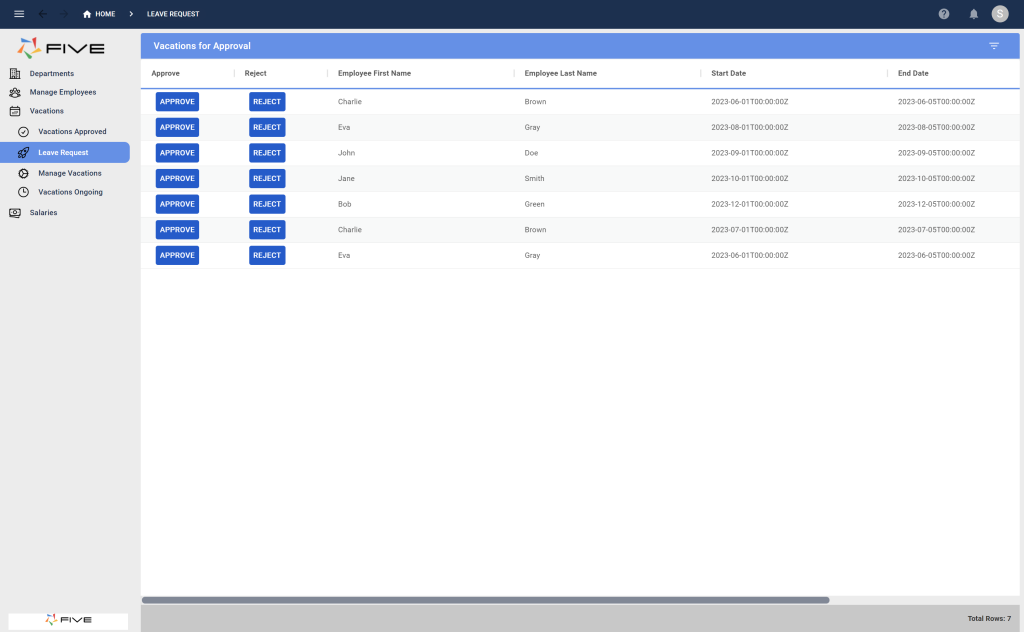
Evaluating the performance of an HRIS (Human Resource Information System) within small businesses is crucial to ensure that the investment pays off and supports overall business objectives. By systematically measuring success, small businesses can optimize their HR processes and enhance employee satisfaction.Measuring the success of HRIS implementation involves analyzing various metrics and feedback to understand how effectively the system meets organizational needs.
This process can include evaluating system efficiency, user satisfaction, and overall HR operational improvements.
Key Performance Indicators (KPIs) for HR Functions
Identifying relevant KPIs is essential for small businesses to gauge the effectiveness of their HRIS. These indicators help track performance and provide insights into HR operations. Key KPIs for small businesses may include:
- Employee Turnover Rate: This metric helps assess how well the HRIS supports employee retention strategies.
- Time to Hire: Measuring the average duration from job posting to hiring can indicate the effectiveness of recruitment processes facilitated by the HRIS.
- Employee Satisfaction Score: Gathering feedback from employees on their satisfaction with HR processes can provide insights into the usability of the HRIS.
- Compliance Rate: This KPI measures how well the HRIS aids in maintaining compliance with labor laws and regulations.
- Training Completion Rate: Tracking the percentage of employees who complete required training can reflect the HRIS’s effectiveness in facilitating learning and development.
These KPIs allow small businesses to assess different aspects of their HR operations, ensuring that the HRIS is contributing positively to their overall goals.
Gathering Employee Feedback on HRIS Usability
Employee feedback is a vital component in evaluating the performance of an HRIS. It enables small businesses to understand user experiences and identify areas for improvement. Methods for gathering feedback can include:
- Surveys: Regularly distributing surveys to employees can provide quantifiable data on their satisfaction with the HRIS.
- Focus Groups: Conducting focus groups allows for in-depth discussions about the HRIS, gathering qualitative feedback on user experiences.
- Usage Analytics: Analyzing system usage data can help identify features that employees find useful or challenging, guiding further enhancements.
- Suggestion Boxes: Providing a platform for continuous feedback encourages employees to share their thoughts and suggestions regarding the HRIS.
Gathering and analyzing this feedback ensures that the HRIS evolves alongside the needs of the business, promoting a more efficient and user-friendly experience for employees.
The Role of Data Security in HRIS for Small Businesses
In today’s digital landscape, safeguarding employee data is paramount for small businesses utilizing Human Resource Information Systems (HRIS). As these systems store sensitive information, including personal details, financial records, and performance evaluations, the risks associated with data management cannot be overlooked. Understanding the vulnerabilities and implementing robust security measures is essential for protecting both the business and its employees.The risks associated with employee data management in HRIS systems are diverse and can have far-reaching consequences.
Small businesses often face threats such as data breaches, unauthorized access, and compliance violations, all of which can lead to financial loss, legal ramifications, and reputational damage. The impact of a data breach can be particularly severe for small enterprises, which may lack the resources to recover from such incidents effectively. Therefore, prioritizing data security is not merely an option; it is a necessity for the survival and success of small businesses.
Identifying Risks in Employee Data Management
Understanding the specific risks associated with HRIS is critical for small businesses. Common threats include:
- Data Breaches: Unauthorized access to sensitive employee information can occur through hacking, phishing, or malware attacks.
- Insider Threats: Employees with access to HRIS may misuse their privileges to access or disclose confidential information.
- Compliance Violations: Failure to adhere to data protection regulations can result in legal penalties and loss of trust from employees.
- Data Loss: Technical failures or natural disasters can lead to loss of crucial employee records if proper backups are not maintained.
To mitigate these risks, small businesses must adopt proactive measures that ensure the security of sensitive employee information.
Check hr system for small business to inspect complete evaluations and testimonials from users.
Safeguarding Sensitive Employee Information
Implementing effective data security measures is vital for small businesses using HRIS. Strategies may include:
- Access Controls: Limiting access to HRIS data based on job roles minimizes the risk of unauthorized disclosure.
- Data Encryption: Encrypting sensitive information protects it from being intercepted during transmission or access.
- Regular Security Audits: Conducting periodic evaluations of security protocols helps identify vulnerabilities and strengthen defenses.
- Employee Training: Educating staff on data security best practices and recognizing phishing attempts can significantly reduce risks.
- Backup Solutions: Implementing reliable data backup systems ensures that critical employee information is recoverable in case of loss.
Best Practices for Data Security and Compliance
In addition to general security measures, adopting best practices can enhance data protection and regulatory compliance. These include:
- Implementing Strong Password Policies: Enforcing complex password requirements and regular password changes can prevent unauthorized access.
- Utilizing Multi-Factor Authentication (MFA): Adding an extra layer of security through MFA requires users to provide additional verification beyond just a password.
- Keeping Software Updated: Regularly updating HRIS software to patch security vulnerabilities is crucial to protection against exploits.
- Documenting Data Processing Activities: Keeping thorough records of how employee data is used and shared helps ensure compliance with data protection laws.
- Engaging Data Protection Officers (DPOs): For businesses with substantial data handling, appointing a DPO can help maintain compliance and oversee data security protocols.
By understanding the risks and implementing effective strategies, small businesses can create a secure environment for managing employee data within their HRIS, ultimately fostering trust and integrity within their organizations.
Future Trends in HRIS for Small Businesses
As small businesses navigate the evolving landscape of human resource management, it’s essential to stay ahead of the curve. The future of Human Resource Information Systems (HRIS) holds numerous trends that can significantly enhance operational efficiency, employee engagement, and overall business performance. This section will explore the latest trends in HRIS technology that are poised to benefit small enterprises, particularly in light of the increasing prevalence of remote work and the integration of advanced technologies like AI and machine learning.
Emergence of Cloud-Based HRIS Solutions
Cloud-based HRIS systems are becoming more mainstream among small businesses due to their cost-effectiveness and flexibility. Unlike traditional software that requires hefty upfront investments and ongoing maintenance, cloud solutions offer subscription-based models that reduce initial costs. This shift to the cloud allows small businesses to access their HR data anytime and anywhere, which is particularly advantageous given the rise of remote work arrangements.
Impact of Remote Work on HRIS Design
The shift toward remote work has fundamentally changed how small businesses approach HR. HRIS platforms are increasingly incorporating features specifically designed to support remote teams. These features include:
- Employee Self-Service Portals: Allowing employees to manage their own information, request time off, and access pay stubs online increases engagement and reduces administrative workloads.
- Time and Attendance Tracking: Setups to monitor hours worked, even across different time zones, ensure accurate payroll and compliance.
- Virtual Onboarding Tools: Facilitating remote training and onboarding ensures new hires integrate smoothly into the company culture, regardless of physical location.
As remote work becomes more standard, the need for HRIS systems to adapt and offer these functionalities will only grow.
Integration of Artificial Intelligence and Machine Learning
The infusion of AI and machine learning into HRIS systems is revolutionizing how small businesses manage their human resources. These technologies offer advanced analytics and predictive modeling, allowing businesses to make data-driven decisions regarding hiring, performance management, and employee retention. Some key advancements include:
- Candidate Screening: AI algorithms can analyze resumes and applications, identifying the best-fit candidates quickly and efficiently.
- Employee Engagement Analytics: By analyzing employee feedback and engagement metrics, small businesses can proactively address issues that may lead to turnover.
- Automated Administrative Tasks: Routine tasks such as payroll processing and benefits administration can be automated, freeing HR personnel to focus on strategic initiatives.
Integrating these technologies not only streamlines operations but also enhances the overall employee experience, leading to higher satisfaction and productivity levels.
Enhancements in Data Security and Compliance Features
With increasing concerns about data privacy and security, HRIS systems are focusing on robust security measures. Small businesses must ensure that their HR systems comply with regulations like GDPR and HIPAA. Future trends emphasize:
- Enhanced Encryption Techniques: Protecting sensitive employee data from breaches.
- Regular Security Audits: Conducting assessments to identify vulnerabilities within the HRIS.
- Compliance Management Tools: Automated updates and alerts for changes in employment legislation help small businesses remain compliant.
These advancements not only secure company data but also build trust with employees, which is critical in a highly competitive job market.
Closing Summary: Hris Small Business
In conclusion, adopting an HRIS can be a game-changer for small businesses seeking to optimize their human resource management. By understanding the key features, cost considerations, and implementation strategies, as well as the importance of data security, small enterprises can position themselves for future success. Embracing these technologies not only streamlines operations but also prepares small businesses to adapt to emerging trends in HRIS, ensuring they remain competitive in an ever-evolving market.
Frequently Asked Questions
What is HRIS?
HRIS stands for Human Resource Information System, a software solution that helps manage and streamline HR processes.
Why do small businesses need HRIS?
Small businesses benefit from HRIS by automating tasks, improving efficiency, and ensuring compliance with labor regulations.
How much does implementing an HRIS cost?
The cost can vary widely depending on the size of the business and the features required, with some systems starting as low as a few hundred dollars per month.
What are common challenges during HRIS implementation?
Common challenges include employee resistance to change, inadequate training, and underestimating the time required for full implementation.
Can HRIS improve employee engagement?
Yes, HRIS can enhance employee engagement by providing self-service options and easy access to HR information, making employees feel more empowered and informed.
