hr system for small business is a vital component that can significantly enhance operations and efficiency in today’s fast-paced environment. For small businesses, where resources are often limited, a comprehensive HR system can streamline processes, from hiring to payroll management, ensuring that time and effort are used wisely.
Implementing an effective HR system not only resolves common administrative headaches but also allows small business owners to focus on growth and innovation. With the right features, such systems can provide tailored solutions to the unique challenges faced by smaller enterprises, ultimately driving success and productivity.
The importance of an HR system for small businesses

In today’s competitive landscape, small businesses must find effective ways to streamline their operations to thrive. One of the key components in achieving this efficiency is the implementation of a dedicated Human Resources (HR) system. An effective HR system does not merely handle payroll; it plays a pivotal role in managing the workforce efficiently, ensuring compliance with legal regulations, and fostering a positive workplace culture.An effective HR system can significantly streamline operations in small businesses by automating routine tasks, centralizing employee data, and enhancing communication.
By adopting an HR system, small business owners can save valuable time that would otherwise be spent on manual processes such as tracking leave requests, managing employee records, and preparing payroll. Automation allows HR personnel to focus on strategic initiatives rather than getting bogged down in administrative work. For instance, a cloud-based HR system can provide easy access to employee information, reducing the need for physical paperwork and minimizing errors associated with manual entry.
Additionally, with features like performance management and reporting, business owners can make data-driven decisions that ultimately enhance productivity.
Challenges faced without an HR system
Operating without a dedicated HR system can present numerous challenges for small businesses. These obstacles can hinder growth and create inefficiencies that affect the overall operation. The main challenges include:
- Time-consuming processes: Without automation, HR tasks can consume a considerable amount of time, preventing leaders from focusing on core business activities.
- Compliance risks: Small businesses are vulnerable to legal compliance issues, especially if they lack a systematic approach to managing employee records and labor laws.
- Employee dissatisfaction: Inefficient handling of HR functions can lead to poor communication and unresolved employee concerns, which can affect morale and retention.
- Inconsistency in policies: Without a standardized HR system, policies may vary, creating confusion and potential legal issues regarding employee rights and benefits.
The potential return on investment (ROI) for implementing an HR system in a small business can be substantial. By reducing administrative burdens, businesses can lower labor costs and improve efficiency. For instance, a survey by the Society for Human Resource Management (SHRM) indicates that organizations that implement HR software can see a productivity increase of up to 20%. Moreover, the costs associated with employee turnover can be significantly decreased, as a well-structured HR system can help retain talent through better engagement and development opportunities.
For example, a small retail business that adopts an HR system might save thousands of dollars by reducing turnover and improving hiring processes, thus maximizing their long-term profitability.
Key features to look for in an HR system for small businesses
An effective HR system is essential for small businesses to streamline their processes, manage employee information, and maintain compliance with labor laws. By investing in the right HR technology, small business owners can save time and resources, allowing them to focus on core operations. Here are some key features that should be prioritized in an HR system tailored for small businesses.
User-friendly interface
A user-friendly interface is paramount for small businesses, where employees may not be tech-savvy. An intuitive design enables quick adoption across the organization. For instance, systems with simple navigation and clear instructions reduce training time and potential frustration. Features like dashboards showing employee data at a glance can empower managers to make informed decisions swiftly.
Employee self-service portal
An employee self-service portal enhances engagement and efficiency. This feature allows employees to access their personal information, pay stubs, and request time off without the need for administrative intervention. For example, a small business using an HR system with this feature can minimize the administrative workload, allowing HR personnel to focus on strategic initiatives.
Time and attendance tracking
Accurate time and attendance tracking is vital for payroll accuracy and compliance. An HR system that integrates time tracking can prevent discrepancies and reduce time theft. For instance, small businesses can utilize biometric time clocks or mobile apps that allow employees to clock in and out, simplifying the process while ensuring accountability.
Recruitment and onboarding tools
Effective recruitment and onboarding tools are essential for small businesses looking to attract top talent. Features such as job posting integrations, applicant tracking systems, and onboarding checklists help streamline the hiring process. For example, an HR system that automates job postings across multiple job boards can significantly increase visibility and attract a diverse candidate pool.
Performance management
Performance management tools enable small businesses to foster a culture of feedback and growth. Features like goal setting, performance reviews, and continuous feedback mechanisms are crucial. By leveraging these tools, a small business can ensure that employees are aligned with company objectives, enhancing productivity. For instance, a performance management module can facilitate quarterly reviews that provide insights into employee contributions and areas for development.
Compliance management
Compliance management features help small businesses navigate complex labor laws and regulations. An HR system that includes automatic updates on compliance changes and documentation management ensures that businesses remain compliant without dedicating excessive resources. For example, having access to templates and guidelines for labor law compliance can prevent costly penalties and foster a more secure workplace environment.
Payroll processing
Robust payroll processing capabilities are essential for any small business. An ideal HR system automates calculations and tax withholdings, ensuring accuracy and timely payments. For instance, a system that offers direct deposit options can enhance employee satisfaction while reducing administrative overhead. Features like payroll reports can also provide insights into labor costs, aiding in financial planning.
Integration capabilities, Hr system for small business
Integration capabilities with existing software are critical for a seamless workflow. Many small businesses use various tools for accounting, project management, or customer relationship management. An HR system that can easily integrate with these tools enhances efficiency and data accuracy. For example, a system that syncs with accounting software helps ensure that payroll expenses are accurately reflected in financial reports.
Market comparison of HR systems
When selecting an HR system, small businesses have several options tailored to their needs. Notable systems include Gusto, BambooHR, and Zenefits, each offering unique features:
| HR System | Standout Features |
|---|---|
| Gusto | Comprehensive payroll features, easy employee onboarding, and excellent customer support. |
| BambooHR | User-friendly interface, strong performance management tools, and customizable reports. |
| Zenefits | Robust health insurance management, compliance tracking, and employee self-service options. |
Each HR system presents features that can address specific challenges faced by small businesses, making it essential to evaluate them based on individual operational needs and growth objectives.
How to choose the right HR system for your small business
Selecting the right HR system is a crucial decision for small business owners, as it can significantly impact efficiency, employee satisfaction, and overall business growth. With a plethora of options available, understanding your unique needs and the features that truly matter can make all the difference in finding the perfect fit. When evaluating HR systems, it’s essential to take a systematic approach that aligns with your business goals.
Consider starting with a clear understanding of your current and future HR needs, ensuring that the system can grow alongside your business.
Evaluating specific needs
Identifying your specific requirements is the first step in choosing an HR system. Take time to assess your current HR processes and pinpoint areas that need improvement. Here are some key factors to consider:
- Employee Count: Consider the number of employees you currently have and anticipate in the future. Some systems charge per employee, so choose one that can accommodate your workforce as it grows.
- HR Functions Needed: Determine which HR functions you require, such as payroll, benefits administration, recruitment, or performance management. Not all systems offer the same features.
- Budget: Establish your budget early on. Look for a system that offers the necessary features without breaking the bank. Remember, cheaper options may lack critical functionalities.
- Integration: Assess how well the potential HR system integrates with your existing software. A seamless connection can save time and minimize errors.
Importance of scalability
Scalability is a vital aspect to consider when choosing an HR system, as it determines how well the system can adapt to your business growth. Investing in a scalable solution ensures you won’t have to switch systems as your business expands, which can be disruptive and costly. A scalable HR system will allow for:
- Increased User Capacity: The system should handle the addition of new employees without issues, ensuring you can focus on growth without worrying about technology limitations.
- Feature Expansion: As your business evolves, so do your HR needs. Opt for systems that offer upgrades or additional modules to meet these changing requirements.
- Cost Efficiency: A scalable system typically reduces the total cost of ownership over time, as you won’t need to invest in a completely new solution as your business grows.
User experience and training
User experience plays a critical role in the successful implementation of an HR system. A user-friendly interface can significantly enhance employee engagement and reduce training time, enabling your team to efficiently utilize the system. When evaluating HR systems, consider:
- Intuitive Design: A well-designed interface makes it easier for employees to navigate and complete tasks without extensive training, which can lead to quicker adoption.
- Training Resources: Ensure the provider offers comprehensive training materials, such as tutorials, webinars, and customer support. This is crucial for empowering your team to use the system effectively.
- Feedback Mechanisms: Look for systems that allow employees to provide feedback on their experience. Continuous improvement based on user input can enhance the system’s effectiveness over time.
Common misconceptions about HR systems in small businesses
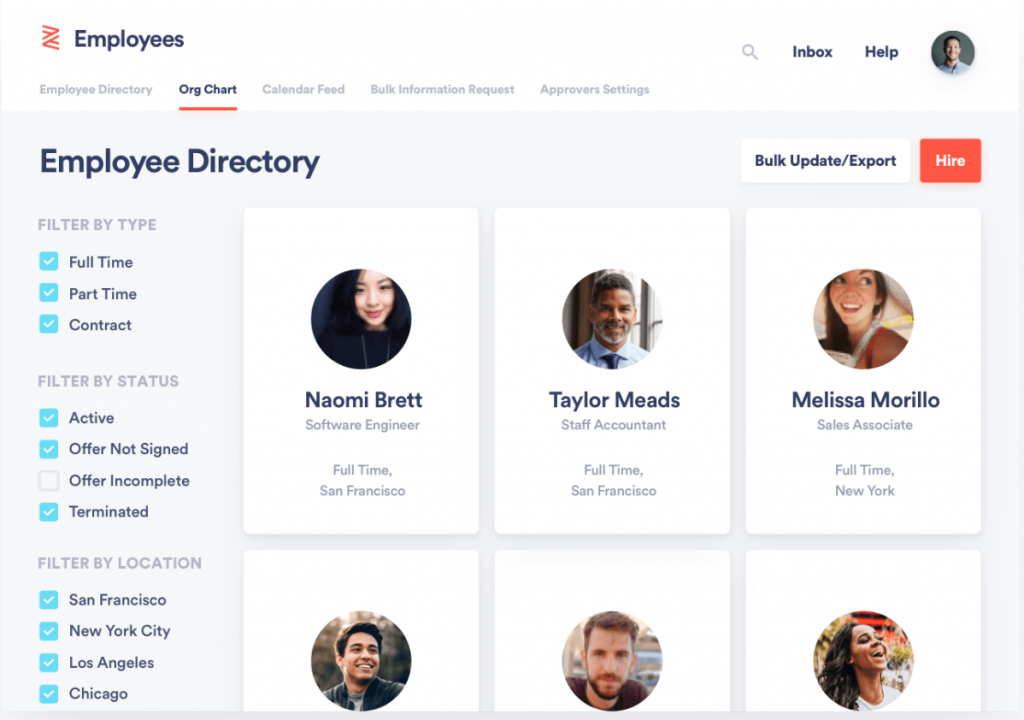
Many small business owners hold various misconceptions about HR systems, often due to a lack of information or past experiences. These myths can hinder their ability to leverage HR systems effectively, leading to missed opportunities for growth and efficiency. Understanding and clarifying these misconceptions is essential for making informed decisions that can benefit the business.Among the prevalent myths is the belief that HR systems are only necessary for larger companies.
This misconception stems from the notion that small businesses have fewer employees and thus require less formal HR processes. However, the truth is that even small businesses, with as few as a handful of employees, can greatly benefit from structured HR practices. An effective HR system can streamline recruitment, automate payroll, and enhance compliance with labor laws, thus allowing small business owners to focus on core operations rather than administrative tasks.
Impact of misconceptions on small business decisions
The impact of misconceptions surrounding HR systems can be significant. For instance, believing that HR systems are overly complex or expensive may prevent small business owners from exploring options that are user-friendly and affordable. This hesitance can lead to reliance on outdated processes, which often results in inefficiencies and potential legal issues. It’s critical to recognize that modern HR systems are designed with small businesses in mind, offering scalable solutions that grow with the company.
They often come with features like onboarding modules, performance tracking, and employee self-service options, which enhance operational efficiency and employee satisfaction. Furthermore, misconceptions about HR systems being impersonal can deter businesses from investing in technology that fosters better communication and engagement among staff.
Benefits of informed choices for HR systems
When small business owners make informed decisions about implementing HR systems, several benefits can emerge that positively impact the organization. Understanding the true capabilities of HR systems allows businesses to select tools that align with their specific needs and budget. This knowledge can lead to improvements in various areas, including compliance management, employee retention, and overall productivity.The benefits of these informed choices include:
- Increased Efficiency: Automating HR processes reduces the time spent on administrative tasks, allowing businesses to allocate resources more effectively.
- Improved Compliance: HR systems can help ensure that businesses are meeting legal obligations, reducing the risk of costly penalties.
- Enhanced Employee Experience: Streamlined onboarding and self-service options make it easier for employees to access important information, fostering a more engaged workforce.
Investing in a suitable HR system not only eliminates guesswork but also empowers small business owners to create a more organized and supportive work environment. By dispelling myths and acknowledging the advantages of HR systems, small businesses can thrive in an increasingly competitive landscape.
The process of implementing an HR system in a small business
Implementing an HR system in a small business can seem daunting, but with a well-structured approach, it can be a seamless transition that enhances productivity and employee satisfaction. This process involves a series of steps designed to ensure that the HR system is effectively integrated into your organization and meets the specific needs of your business.The first step in implementing an HR system is to conduct a thorough needs assessment.
This involves analyzing current HR practices and identifying gaps that the new system will address. Once the requirements are clear, the next step is selecting a suitable HR system that aligns with those needs. After selecting the system, planning the implementation process, including timelines and responsibilities, is crucial.
Step-by-step procedures for implementation
A structured approach will help in the smooth implementation of the HR system. Here’s a detailed step-by-step guide:
- Conduct a Needs Assessment: Identify specific HR functions that require improvement and what features the new system should have.
- Select the HR System: Based on the needs assessment, research and select an HR system that fits your business size and requirements.
- Plan the Implementation: Create an implementation timeline with milestones and assign responsibilities to team members.
- Data Migration: Transfer existing employee data to the new system. Ensure data accuracy and integrity during this step.
- Customize the System: Tailor the HR system settings to suit your business processes and policies.
- Test the System: Conduct thorough testing to ensure everything works as expected before going live.
- Train Staff: Provide comprehensive training to staff on how to use the new system effectively.
- Go Live: Launch the system and monitor its performance closely to resolve any immediate issues.
- Gather Feedback: Solicit feedback from users to identify areas for further improvement.
Potential pitfalls during implementation
Several common pitfalls can hinder the successful implementation of an HR system. Awareness of these challenges allows for strategies to mitigate them.
“Poor communication and insufficient training are leading causes of implementation failure in HR systems.”
Some potential pitfalls include:
- Inadequate Planning: Skipping detailed planning can lead to disorganization during implementation.
- Lack of Employee Buy-in: If employees are not engaged in the process, they may resist using the new system.
- Neglecting Data Quality: Poor data migration can result in inaccurate information in the new system, leading to errors in HR processes.
- Insufficient Training: Failing to properly train staff can lead to low adoption rates and frustration with the new system.
Tips for training staff
Effective training is crucial for a smooth transition to a new HR system. Here are some tips to ensure your staff is well-prepared:
“An informed team is a productive team; invest in comprehensive training for optimal results.”
- Begin with a training needs analysis to determine what aspects of the HR system require focus for different roles.
- Schedule hands-on training sessions where employees can practice using the system in a controlled environment.
- Utilize a mix of training methods, including workshops, online tutorials, and written guides, to cater to diverse learning preferences.
- Encourage questions and provide ongoing support even after initial training sessions to build confidence in using the new system.
- Create a feedback loop where employees can share their experiences and suggestions for further improvements.
The role of technology in modern HR systems for small businesses
In today’s fast-paced business environment, the role of technology in HR systems has become increasingly vital for small businesses. These systems not only streamline processes but also empower HR teams to focus on strategic initiatives. By integrating technology, small businesses can enhance their HR practices, making them more efficient and adaptable to the changing market landscape.
The significance of integrating technology into HR systems for small businesses cannot be overstated. With advancements in software solutions, small businesses can effectively manage employee data, recruitment processes, performance management, and payroll functions. This integration allows for a more organized approach to human resources, reducing the risk of errors and ensuring compliance with regulations. Moreover, the use of cloud-based HR systems enables easy access to information anytime, anywhere, fostering a more flexible work environment.
Automation features in HR systems
Automation features in HR systems significantly enhance HR tasks and improve efficiency. By automating repetitive tasks, small businesses can save time, reduce manual errors, and allocate resources to more strategic areas. For instance, employee onboarding processes can be streamlined through automated workflows that guide new hires through necessary paperwork and training schedules. Additionally, performance reviews can be easily managed with automated reminders and evaluation forms, ensuring timely feedback and consistent evaluations.
The following are key automation features that small businesses should consider when evaluating HR systems:
- Employee Self-Service Portals: Allowing employees to manage their personal information, request time off, and access pay stubs without HR intervention saves valuable time.
- Automated Reporting: Generating reports on employee performance, attendance, and payroll can be done with a few clicks, providing insights that drive decision-making.
- Recruitment Automation: Automating job postings across multiple platforms and using applicant tracking systems to streamline the hiring process can lead to faster and more efficient recruitment.
- Time and Attendance Tracking: Automated systems can accurately track employee hours, reducing discrepancies and simplifying payroll processing.
Future trends in HR technology
As technology evolves, several future trends in HR technology are emerging that small businesses should stay informed about. These trends not only enhance current capabilities but also shape the future of HR management. One notable trend is the increasing use of artificial intelligence (AI) in recruitment processes. AI can analyze resumes, screen candidates, and even conduct initial interviews, making the selection process more efficient and unbiased.
Another trend is the incorporation of data analytics in performance management. By leveraging data, small businesses can gain insights into employee productivity, engagement levels, and overall workforce health. This information can guide HR strategies and ensure that businesses are making informed decisions.
Additionally, remote work technologies are becoming increasingly essential as hybrid working models gain popularity. Investing in collaborative tools and platforms that facilitate communication and engagement among remote teams is crucial for maintaining company culture and productivity.
In summary, technology plays a crucial role in modern HR systems for small businesses. The integration of automation features enhances efficiency, while emerging trends provide opportunities for businesses to innovate and adapt in a competitive landscape.
Success stories of small businesses using HR systems
Implementing an HR system can be transformative for small businesses, providing them with the tools necessary to streamline their operations and enhance employee satisfaction. This section will delve into real-life examples of small businesses that have successfully integrated HR systems, highlighting their achievements and the critical factors contributing to their success.One prominent example is Baker & Co., a small bakery based in a bustling urban area.
Prior to implementing an HR system, the bakery struggled with employee scheduling and payroll accuracy. After adopting a cloud-based HR solution, they experienced significant improvements in operational efficiency. The system allowed them to automate time tracking and payroll processes, reducing errors and saving hours of manual work each week. Key factors that contributed to their success included:
- Customization: Baker & Co. tailored their HR system to meet the specific needs of their business, allowing for unique scheduling requirements aligned with peak bakery hours.
- User-Friendly Interface: Employees found the system easy to navigate, which encouraged consistent use for clocking in and requesting time off.
- Integration: The HR system seamlessly integrated with their existing accounting software, providing a holistic view of their financials and labor costs.
The lessons learned from Baker & Co.’s experience demonstrate the importance of selecting an HR system that fits the unique operational demands of a small business. Customization and ease of use are critical in ensuring that both management and employees engage positively with the system.Another example is Green Thumb Landscapes, a landscaping company that faced challenges with employee retention and training.
By implementing an HR system focused on employee development, they successfully improved their workplace culture. The system provided tools for skill tracking, training modules, and performance reviews that were accessible to all employees.The success factors for Green Thumb Landscapes included:
- Employee Engagement: The system promoted a culture of continuous learning by allowing employees to set personal development goals and track their progress.
- Feedback Mechanisms: Regular performance reviews facilitated open communication between management and employees, enhancing job satisfaction.
- Reporting Tools: The ability to generate reports on employee performance and turnover rates enabled management to make informed decisions about hiring and training needs.
By focusing on employee engagement and development, Green Thumb Landscapes learned that investing in human resources is essential for retaining talent and fostering a positive work environment.In both case studies, small businesses realized that the successful implementation of an HR system hinges on understanding their specific needs and ensuring that the chosen system aligns with their business objectives. By learning from these success stories, other small businesses can identify strategies to optimize their HR processes and drive growth.
Conclusion: Hr System For Small Business
In conclusion, recognizing the importance of an HR system for small business can be a game-changer for operational efficiency and employee satisfaction. By understanding the key features and making informed choices, small business owners can harness the power of technology to streamline their HR tasks, paving the way for sustainable growth and success.
FAQ
What is an HR system for small businesses?
An HR system for small businesses is a software solution designed to manage various HR functions such as recruitment, payroll, performance management, and employee records efficiently.
How can an HR system save time for small business owners?
By automating repetitive tasks and centralizing data, an HR system reduces the time spent on administrative duties, allowing owners to focus on strategic activities.
Is it necessary for small businesses to have an HR system?
While not mandatory, having an HR system can help small businesses navigate complex HR tasks effectively, ensuring compliance and better employee management.
How much should a small business expect to spend on an HR system?
Costs can vary widely based on features and providers, but small businesses can find scalable solutions that fit their budget, often starting from a few hundred dollars annually.
Can an HR system grow with my business?
Yes, many HR systems are designed to be scalable, allowing small businesses to add features and accommodate growth as their needs evolve.
