hr management software for small business is essential for creating a competitive edge in today’s fast-paced business environment. Small businesses often grapple with various HR challenges, such as managing employee records, ensuring compliance, and fostering a positive workplace culture. These challenges can hinder their growth and efficiency. By utilizing HR management software, small companies can automate tedious processes, enhance employee engagement, and streamline operations, ultimately leading to a more robust organizational structure.
Moreover, the integration of such software allows small businesses to focus on their core functions while ensuring that HR tasks are handled efficiently. With features tailored for smaller teams, these solutions are designed to meet the unique needs of small enterprises, making HR management less of a burden and more of a strategic advantage.
The importance of hr management software for small businesses
In today’s fast-paced business environment, small businesses face unique challenges that can hinder their growth and efficiency. Human resources play a pivotal role in the success of any organization, and for small businesses, the implementation of HR management software can be a game changer. This technology not only streamlines HR processes but also enhances compliance and optimizes employee management. The importance of HR management software for small businesses cannot be overstated.
It serves as a centralized hub for managing employee information, onboarding processes, payroll, and performance management. Without such a system, small businesses often wrestle with inefficient manual processes that can lead to errors and inconsistencies. For example, one of the most significant challenges faced by small businesses is maintaining accurate employee records. This often results in issues such as payroll inaccuracies, compliance violations, and hindered employee engagement.
Moreover, as small businesses grow, the complexity of HR tasks increases, making it challenging to manage everything without dedicated software.
Challenges Faced Without HR Management Solutions
Small businesses often encounter several hurdles that can affect their overall productivity and employee satisfaction when they do not utilize HR management solutions. Common challenges include:
- Time-Consuming Administrative Tasks: Manual record-keeping and paperwork consume valuable time that could be used for strategic initiatives and business growth.
- Inconsistent Policies and Procedures: Without a centralized system, HR policies may become inconsistent, leading to confusion and potential legal issues.
- Increased Risk of Errors: Manual data entry is prone to mistakes, leading to payroll errors, incorrect benefits administration, and compliance failures.
- Difficulty in Employee Management: Tracking employee performance, managing training, and conducting reviews without proper tools can lead to decreased employee morale and high turnover.
The role of automation in streamlining HR processes for small firms is crucial. Automation minimizes human error and accelerates various HR functions, enabling small businesses to function more efficiently. For instance, automated payroll systems ensure timely and accurate payment of employees, while automated onboarding processes facilitate a smooth transition for new hires. By automating routine tasks, HR professionals can focus on strategic initiatives, such as talent development and employee engagement.
“Investing in HR management software is not just a cost; it’s an investment in the future of your business.”
Overall, adopting HR management software allows small businesses to operate with greater efficiency, ensuring that they can allocate more resources toward growth and innovation while minimizing the burdens of HR tasks.
Key features to look for in hr management software for small businesses
Selecting the right HR management software is crucial for small businesses aiming to streamline their operations and enhance employee management. With a plethora of options available, understanding the key features that cater specifically to the needs of smaller organizations can significantly impact efficiency and growth.When evaluating HR management software, small businesses should prioritize features that simplify HR processes, improve communication, and facilitate employee engagement.
Below are five essential features that are particularly beneficial for small businesses:
Essential Features of HR Management Software
Investing in HR management software with the right features can lead to improved employee management and enhanced HR efficiency. Here are the key features to consider:
- Employee Self-Service Portal: This feature allows employees to manage their personal information, request time off, and access pay stubs without needing HR intervention. This not only saves time for HR professionals but also empowers employees to take charge of their own information.
- Time and Attendance Tracking: An integrated system for tracking employee hours helps ensure accurate payroll processing and provides insights into staffing needs. This feature minimizes errors and helps manage labor costs effectively.
- Recruitment Management: A user-friendly recruitment module enables small businesses to post job openings, track applicants, and streamline the hiring process. This is crucial for finding the right talent quickly and efficiently.
- Performance Management: Tools for conducting performance reviews and setting employee goals foster a culture of feedback and continuous improvement. This feature helps in aligning employee performance with business objectives.
- Reporting and Analytics: Robust reporting capabilities allow HR teams to analyze employee data, track turnover rates, and identify trends. This data-driven approach enables strategic decision-making and resource allocation.
The integration of these features in HR management software enhances the overall functionality, making it easier for small businesses to manage their human resources efficiently.
User-Friendly Interfaces in HR Management Software
User-friendly interfaces are essential for small businesses when selecting HR management software. A well-designed interface significantly reduces the learning curve for employees and HR professionals alike, allowing them to utilize the software effectively from the get-go. With intuitive navigation and clear labeling, users can access the features they need without unnecessary complications. For small businesses, where every minute counts, an intuitive user interface can save time and resources.
Employees are more likely to engage with systems that are easy to use, leading to better data entry practices and fewer mistakes. This ease of use translates into less time spent training staff, as they can quickly adapt to the software and utilize its features to their full potential.Additionally, a user-friendly interface can promote higher employee satisfaction. When employees feel comfortable navigating the HR software, they are more likely to take advantage of features such as self-service portals for updating personal information or requesting leave.
This not only fosters a sense of ownership among employees but also reduces the administrative burden on HR teams.Moreover, effective design enhances communication by ensuring that important notifications and updates are easily accessible. A clean, organized dashboard allows users to view essential information at a glance, such as upcoming deadlines for performance reviews or important company announcements. In essence, choosing HR management software with a user-friendly interface can lead to streamlined processes, enhanced communication, and improved productivity within small businesses, allowing them to focus more on their core operations while effectively managing their workforce.
Cost considerations when selecting hr management software for small businesses
When it comes to selecting HR management software, cost is a critical factor for small businesses. With limited budgets and resources, it’s essential to find a solution that not only fits financially but also meets the unique needs of the business. Understanding the various pricing models and their implications will help small business owners make informed decisions that align with their HR goals.The pricing models for HR management software can vary widely, and it’s important to analyze each option carefully.
The most common pricing structures include subscription-based models, one-time licensing fees, and pay-as-you-go options. Subscription-based models often charge a monthly or annual fee, typically based on the number of employees or features required. This approach allows small businesses to manage cash flow better, as costs are predictable and spread over time. On the flip side, one-time licensing fees might seem attractive upfront but can lead to higher long-term expenses when considering necessary updates and support.
Comparative analysis of cost versus features for three popular hr management software options
To help small businesses navigate the landscape of HR management software, a comparative analysis of three popular options can provide valuable insights. Below are key features and pricing structures for each software solution: – BambooHR
Pricing Model
Subscription-based with a tiered structure that starts at around $99/month for up to 12 employees.
Key Features
Employee self-service, customizable reporting, performance management, and applicant tracking.
Cost vs. Features
BambooHR offers robust features tailored for small businesses, making it a strong investment for growing companies. – Gusto
Pricing Model
Monthly subscription starting at $39/month plus $6 per employee.
Key Features
Payroll processing, benefits administration, compliance support, and time tracking.
Cost vs. Features
Gusto provides excellent payroll capabilities and user-friendly interfaces, which can save time and reduce errors.
Zoho People
Pricing Model
Subscription model starting at $1 per employee per month for the basic plan.
Key Features
Leave management, employee database, time tracking, and performance management.
Cost vs. Features
Zoho People is cost-effective for small businesses, offering essential features at an unbeatable price point.Considering the return on investment (ROI) for HR management solutions is vital for small businesses. When evaluating potential software, it’s important to look beyond the initial costs and consider the long-term benefits. Software that streamlines HR processes can lead to increased efficiency, reduced administrative burdens, and ultimately, better employee satisfaction.
An effective HR management system can save a business both time and money, allowing it to allocate resources to other crucial areas. For example, a small business that reduces HR administrative tasks by 30% could redirect that time into strategic initiatives, thereby enhancing overall productivity and growth.
How hr management software enhances employee engagement in small businesses
In today’s competitive landscape, small businesses must prioritize employee engagement to foster a thriving workplace culture. Human Resource (HR) management software plays a crucial role in achieving this by streamlining processes and providing tools that promote communication, recognition, and overall employee satisfaction. By integrating HR software, small businesses can enhance employee engagement, leading to a more motivated workforce and improved retention rates.HR management software offers various methods to foster a positive workplace culture.
One key aspect is its ability to facilitate transparent communication between management and staff. When employees can access information easily and provide feedback through platforms, it creates an environment of trust and openness. Additionally, many HR software solutions include features for employee recognition and rewards, allowing businesses to celebrate achievements and milestones, thereby boosting morale.
Strategies for Increasing Employee Satisfaction
Implementing specific strategies through HR software can significantly increase employee satisfaction in small businesses. Here are three effective strategies:
1. Regular Feedback Mechanisms
Utilize built-in survey tools to gather feedback on employee satisfaction and workplace culture. Regularly assessing this data allows for timely interventions and improvements.
2. Personalized Employee Development Plans
HR software can help track employees’ skills, training needs, and career aspirations. Customizing development opportunities enhances engagement by showing employees that their growth is valued.
3. Flexible Work Arrangements
Use HR tools to manage flexible scheduling and remote work opportunities. This adaptability can lead to higher job satisfaction as employees feel more in control of their work-life balance.Engagement tools integrated within HR software have a strong correlation with employee retention. When businesses utilize features like performance management, feedback loops, and professional development tracking, they create a more engaging work environment.
Employees are more likely to remain with an organization that actively invests in their growth and well-being. For instance, a study conducted by Gallup found that organizations with high employee engagement had 25% lower turnover rates compared to those with low engagement levels. Moreover, by fostering a culture of continuous feedback and growth, HR software helps employees feel valued and heard.
When staff members perceive that their voices matter and their contributions are recognized, they are less likely to seek opportunities elsewhere. In essence, the right HR management software not only enhances employee engagement but also serves as a strategic tool for retaining top talent in small businesses, ultimately leading to sustained success and growth.
Implementation challenges of hr management software for small businesses

Implementing HR management software can be a daunting task for small businesses, often due to limited resources, time constraints, and a lack of technical expertise. These challenges can hinder the successful adoption of such tools, making it crucial to understand and address them effectively. This section highlights common obstacles encountered during implementation and offers practical strategies for a smooth transition.Common obstacles small businesses face when implementing HR management software include resistance to change, budget constraints, and insufficient training.
Small businesses often have established routines, and introducing new software can disrupt workflows, leading to reluctance among employees. Additionally, with tight budgets, the costs associated with software acquisition, training, and potential system upgrades can be overwhelming. Furthermore, without proper training, employees may struggle to utilize the software effectively, resulting in underutilization of capabilities.
Resistance to Change
Resistance to change is a prevalent challenge in the implementation of HR management software. Employees accustomed to traditional methods might be hesitant to adapt to new systems, fearing a learning curve or disruption in their daily tasks. To combat this resistance, it’s essential to foster an environment of open communication and support. One effective strategy involves initiating a pilot program that allows a small group of employees to use the software before a full rollout.
This approach helps to gather feedback and address concerns, making employees feel involved in the transition. Real-world examples, such as a small marketing agency that successfully implemented a pilot program, demonstrate how employee buy-in can significantly ease the transition.
Budget Constraints, Hr management software for small business
Budget constraints pose another significant hurdle for small businesses when selecting HR management software. The costs involved can go beyond just the software licensing fees; they also include training expenses, potential hardware upgrades, and ongoing support. To mitigate these financial challenges, businesses should explore various pricing models offered by software vendors. Many options, like subscription-based pricing, allow small businesses to manage costs more effectively.
Additionally, seeking out vendors that offer tiered pricing or specialized packages for small businesses can lead to significant savings. For instance, a local retail shop utilized a tiered pricing plan, enabling them to scale their software use as their needs grew.
Insufficient Training
Insufficient training can lead to underutilization of HR management software, diminishing its potential benefits. When employees do not fully understand how to use the system, they may default to outdated practices. To ensure effective training, it is crucial to establish a comprehensive onboarding process that includes hands-on workshops, online tutorials, and ongoing support. A successful example is a small tech startup that implemented weekly training sessions during their software rollout.
This approach not only improved employee confidence but also promoted a culture of continuous learning.
Step-by-Step Approach for Transitioning to HR Management Software
Transitioning to HR management software requires a structured approach to minimize disruptions and maximize efficiency. Here’s a step-by-step guide:
1. Assess Needs and Set Goals
Identify key functionalities required for your business and set clear objectives for what you want to achieve with the software.
2. Research and Select Software
Evaluate different software options based on key features, budget, and user reviews to find a solution that meets your needs.
3. Plan Implementation
Develop a roadmap that Artikels the timeline for the transition, including key milestones and responsibilities.
4. Engage Employees
Involve employees from various levels to gather input and foster a sense of ownership in the implementation process.
5. Provide Training
Offer comprehensive training that caters to varying skill levels. Use different formats such as workshops, tutorials, and one-on-one support.
6. Monitor Progress
Regularly check in on the implementation process, soliciting feedback from users and making adjustments as necessary.
7. Evaluate Success
After the software has been implemented, assess its impact on your HR processes and overall business efficiency.Following these steps can significantly ease the transition and enhance the overall effectiveness of HR management software within a small business.
The future of hr management software and its impact on small businesses

As we look to the horizon of HR management software, small businesses have a unique opportunity to harness emerging technologies that promise to transform the way they operate. The landscape is evolving rapidly, with innovations that cater specifically to the needs of smaller firms, allowing them to compete on a more level playing field with larger enterprises. With the right tools, small businesses can streamline their HR processes, enhance productivity, and ultimately drive growth.The future of HR management software is largely shaped by advancements in technology, particularly artificial intelligence (AI) and data analytics.
These tools are not just buzzwords; they’re changing the game for small businesses by providing insights that were previously only available to larger organizations with extensive resources. As these technologies become more accessible, small businesses can leverage them to make informed decisions, improve employee satisfaction, and optimize their overall HR practices.
Emerging trends in hr management software
Several notable trends are emerging in the realm of HR management software that small businesses should closely monitor. These trends can significantly impact operations and employee relations, ensuring that small businesses are not left behind in a fast-paced digital world.
- AI-driven recruitment: With AI tools, small businesses can streamline their hiring processes by automating candidate screening and predicting employee success based on data analysis, thereby reducing recruitment time and costs.
- Employee self-service portals: These platforms enable employees to manage their own HR requests, such as leave applications and personal information updates, enhancing autonomy and satisfaction.
- Data analytics for talent management: Advanced analytics tools help small businesses assess workforce trends, track employee performance, and identify skill gaps, allowing for targeted development initiatives.
- Cloud-based solutions: Cloud technology offers flexibility and affordability, enabling small businesses to access sophisticated HR software without significant upfront investment. This trend facilitates remote work capabilities and real-time collaboration.
- Integration with other tools: Modern HR software can now integrate seamlessly with accounting, project management, and communication tools, ensuring a cohesive workflow that enhances organizational efficiency.
The adoption of these emerging trends can empower small businesses to operate more efficiently, enhance employee satisfaction, and maintain a competitive edge.
Impact of AI and data analytics on HR practices
The integration of AI and data analytics into HR practices represents a significant shift for small businesses. These technologies enable firms to make data-driven decisions, leading to more effective HR strategies and improved business outcomes.
- Predictive analytics: Small businesses can use predictive analytics to forecast employee turnover, enabling proactive measures to improve retention and reduce hiring costs.
- Enhanced employee experience: AI tools can analyze employee feedback and engagement levels, helping organizations to tailor their workplace culture and policies to meet employee needs.
- Operational efficiency: Automating routine HR tasks allows HR personnel to focus on strategic initiatives, such as talent development and organizational growth, which are critical for small businesses.
- Personalized learning and development: AI can help identify individual employee learning paths based on performance data, ensuring that training is both relevant and effective.
By embracing AI and data analytics, small businesses can not only enhance their HR practices but also foster a culture of continuous improvement and innovation.
Benefits of adapting to emerging technologies
Adapting to emerging technologies in HR management offers a multitude of benefits for small businesses. These advantages extend beyond immediate operational improvements and can have a lasting impact on overall business performance.
- Cost-effectiveness: Leveraging cloud-based HR solutions reduces the need for extensive IT infrastructure, allowing small businesses to allocate resources more effectively.
- Improved employee retention: With better engagement tools and tailored development programs, employees are more likely to feel valued and stay with the company longer.
- Better compliance: Automated HR systems help ensure that small businesses remain compliant with labor laws and regulations, reducing the risk of fines and legal issues.
- Scalability: As small businesses grow, modern HR software can easily scale to meet increasing demands, ensuring that HR practices evolve alongside the business.
Embracing technology not only streamlines HR functions but also positions small businesses for sustainable growth and success in an increasingly competitive landscape.
Case studies of successful hr management software implementation in small businesses
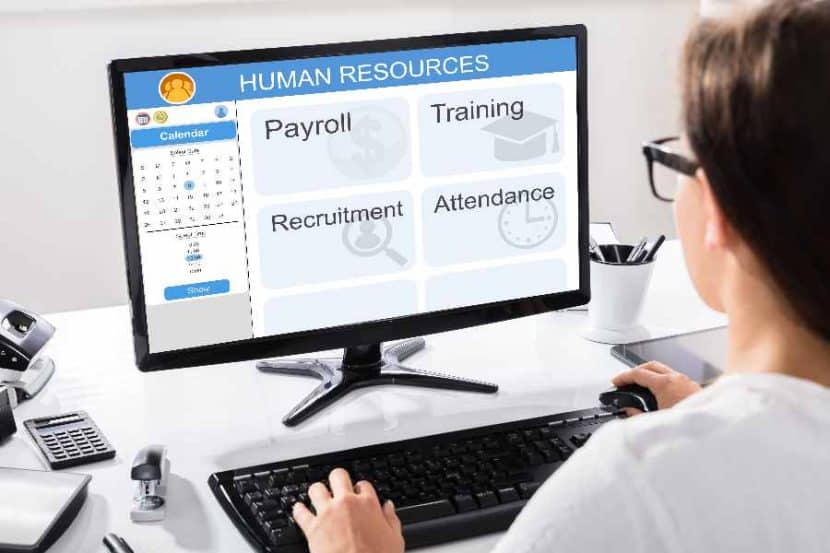
The integration of HR management software can be transformative for small businesses, enabling them to streamline operations, enhance employee experience, and drive growth. Below are two detailed case studies showcasing how small businesses have effectively implemented HR management software, the outcomes they achieved, and the key factors that contributed to their success.
Case Study: GreenLeaf Landscaping
GreenLeaf Landscaping, a small landscaping firm with 25 employees, faced challenges in managing employee records, tracking time, and handling payroll manually. The company decided to implement an HR management software solution to improve efficiency. Post-implementation, GreenLeaf observed several significant improvements:
- Time Savings: The HR team saved over 15 hours a week previously spent on administrative tasks related to payroll and employee management.
- Accuracy in Payroll: The automated payroll system reduced errors by 90%, ensuring employees were paid correctly and on time.
- Employee Satisfaction: Employee surveys indicated a 30% increase in satisfaction related to HR processes, as employees could access their information easily through a self-service portal.
Key factors contributing to the successful implementation included:
- Employee Training: GreenLeaf conducted thorough training sessions for employees, ensuring everyone was comfortable using the new system.
- Management Support: Strong backing from the management team helped drive the adoption of the software.
- Customization: The software was tailored to meet the specific needs of GreenLeaf, making it more effective for their operations.
Case Study: TechSavvy Solutions
TechSavvy Solutions, a small IT consulting firm with around 50 employees, struggled with employee onboarding and performance tracking. To address these issues, they implemented an HR management software designed specifically for small businesses.The outcomes post-implementation were impressive:
- Streamlined Onboarding: The onboarding process was reduced from several weeks to just a few days, optimizing the time to productivity for new hires.
- Enhanced Performance Tracking: Managers reported a 40% increase in the effectiveness of performance reviews, allowing for more constructive feedback and goal setting.
- Reduced Turnover: The company experienced a 25% decrease in employee turnover over the following year, attributed to better engagement and support through the HR software.
Factors that led to successful use of HR management software included:
- Integration with Existing Systems: The software seamlessly integrated with TechSavvy’s existing tools, making it easier for employees to adapt.
- Continuous Feedback Loop: The firm established a feedback mechanism to continually assess and enhance the use of the software.
- Focus on Culture: TechSavvy ensured that the HR software aligned with their company culture, emphasizing employee well-being and development.
Summary
In conclusion, embracing hr management software for small business is a vital step towards achieving operational efficiency and employee satisfaction. As technology continues to evolve, small businesses that adapt to these innovative solutions will likely enjoy not only improved internal processes but also a stronger competitive position in their respective markets. Investing in the right HR software is not just about compliance; it’s about empowering your workforce and driving long-term success.
Answers to Common Questions
What are the benefits of using HR management software?
HR management software helps streamline tasks, improves employee engagement, and ensures compliance, leading to enhanced productivity.
How can small businesses evaluate HR software?
Small businesses should assess software based on features, user-friendliness, pricing models, and customer support before making a decision.
Is HR management software suitable for all small businesses?
Yes, HR management software can be tailored to fit the needs of various small businesses, regardless of industry.
What are the common challenges in implementing HR software?
Common challenges include resistance to change, data migration issues, and ensuring employee buy-in during the transition process.
How does HR software influence employee retention?
By providing tools for engagement and feedback, HR software can significantly enhance employee satisfaction, leading to higher retention rates.
