Business management software for contractors is revolutionizing how projects are executed and managed in the construction industry. As contractors face increasing demands and complexities, the need for effective solutions has never been more critical. This software not only streamlines operations but also tackles the common challenges that contractors encounter daily. From tracking expenses to managing schedules, the right software can enhance efficiency, improve communication, and ultimately lead to greater profitability.
By understanding the features and benefits available, contractors can equip themselves with the tools necessary to thrive in a competitive market.
Understanding the Importance of Business Management Software for Contractors
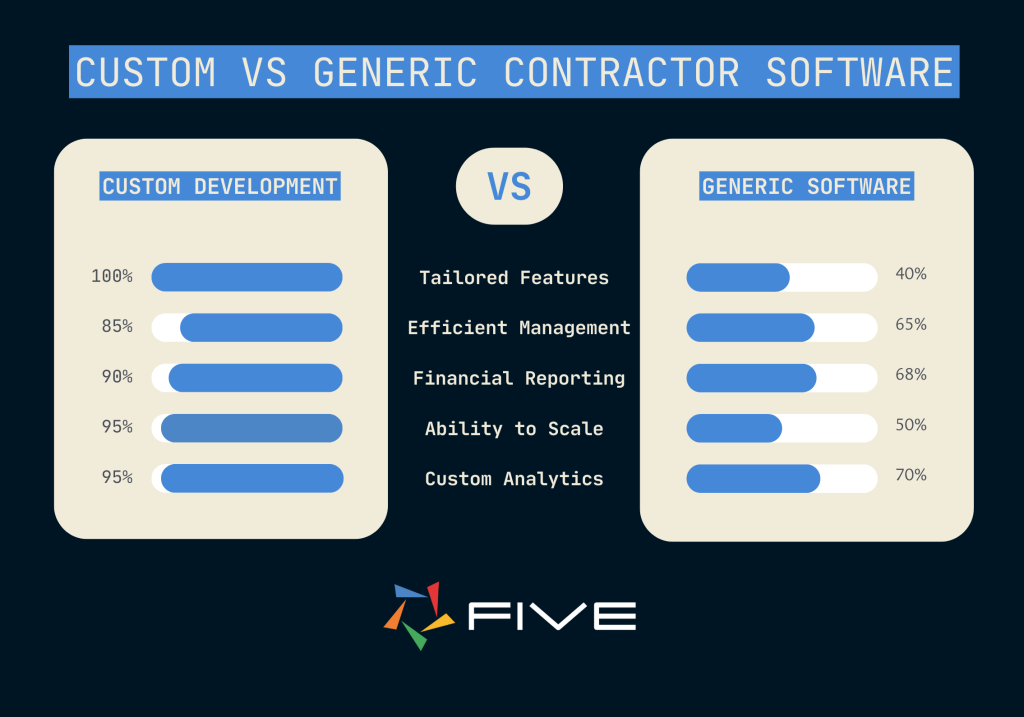
In today’s fast-paced construction industry, business management software has emerged as a crucial tool for contractors aiming to streamline their operations and enhance project efficiency. By integrating various operational facets into a singular platform, contractors can now focus more on delivering quality results rather than getting bogged down by administrative tasks. This software not only aids in project planning and management but also optimizes resource utilization, significantly reducing overhead costs.Contractors often face numerous challenges that can impede their workflow and profitability.
One major issue is the lack of visibility into project progress, which can lead to delays and miscommunication among teams. Without business management software, managing schedules, budgets, and resources becomes a cumbersome and error-prone process. Additionally, the difficulty in tracking equipment and labor costs leads to unforeseen expenses that can ultimately derail project timelines. These hurdles can be mitigated through effective software solutions that provide real-time data and insights, allowing contractors to make informed decisions swiftly.Key features that render business management software essential for contractors in today’s market include project scheduling tools, resource management systems, and financial tracking capabilities.
For instance, a robust project scheduling tool allows contractors to assign tasks, set deadlines, and monitor progress in real time, which enhances accountability and ensures timelines are met. Furthermore, resource management features enable contractors to allocate materials and labor efficiently, reducing wastage and optimizing workflows. Financial tracking tools allow for precise budgeting and forecasting, equipping contractors with the ability to manage cash flow effectively.
The integration of these features into a single platform not only improves operational efficiency but also enables better collaboration among teams, ensuring everyone is on the same page. This cohesive approach is instrumental in addressing the demands of a competitive market where efficiency and adaptability are paramount.
Key Features to Look for in Business Management Software for Contractors
When selecting business management software, contractors must focus on features that streamline operations, enhance productivity, and improve project oversight. The right software can significantly impact how contractors manage their projects, finances, and communication with clients and subcontractors. Prioritizing essential functionalities ensures that contractors can run their businesses efficiently and adapt to changing project demands.One of the most crucial aspects of choosing business management software is identifying features that directly contribute to overall project efficiency and management.
Below are five critical features that every contractor should consider:
Essential Features for Effective Management, Business management software for contractors
The following features are vital for ensuring that contractors can manage their projects and resources effectively:
- Project Management Tools: These tools allow contractors to plan, execute, and oversee all project stages, from initial kickoff to project completion. Features like Gantt charts, task assignments, and milestone tracking help keep projects on schedule and within budget.
- Budgeting and Financial Tracking: With this feature, contractors can create detailed budgets and monitor expenses in real-time. This capability ensures that financial resources are allocated efficiently and helps prevent cost overruns, thereby enhancing profitability.
- Time Tracking and Reporting: Accurate time tracking features enable contractors to capture billable hours and monitor employee productivity. Comprehensive reporting aids in identifying areas for improvement and supports invoicing accuracy.
- Client Relationship Management (CRM): A robust CRM system helps contractors manage interactions with clients, track leads, and enhance customer satisfaction. By maintaining detailed client profiles and histories, contractors can tailor their services more effectively.
- Mobile Accessibility: The ability to access software on mobile devices allows contractors to manage tasks on the go. This flexibility is crucial for responding to on-site issues promptly and maintaining communication with team members and clients.
To provide visual clarity on how these features compare across popular software options, here’s a concise table highlighting their functionalities:
| Software | Project Management | Budgeting | Time Tracking | CRM | Mobile Access |
|---|---|---|---|---|---|
| Buildertrend | Yes | Yes | Yes | Yes | Yes |
| CoConstruct | Yes | Yes | No | Yes | Yes |
| Procore | Yes | Yes | Yes | No | Yes |
| Smartsheet | Yes | Yes | Yes | No | Yes |
| QuickBooks Contractor Edition | No | Yes | Yes | No | Yes |
Choosing the right business management software equips contractors with the tools needed to optimize their operations, ensuring both efficiency and profitability in their projects.
The Role of Mobile Accessibility in Business Management Software for Contractors
Mobile accessibility is increasingly becoming a crucial aspect for contractors who need to manage their projects efficiently while working in the field. In an industry where time is money, having access to business management software on-the-go allows contractors to make quicker decisions, streamline operations, and enhance productivity. The ability to utilize mobile features not only provides contractors with immediate access to critical project information but also ensures they can stay connected with their teams, clients, and suppliers regardless of their physical location.
This seamless connectivity ultimately leads to better project outcomes and client satisfaction.
Mobile access empowers contractors by facilitating real-time updates and enhancing communication within project teams. By integrating mobile functionality into business management software, contractors can easily share progress, respond to queries, and make necessary adjustments on the fly. This feature is particularly valuable in managing on-site challenges, such as delays or changes in project scope. With mobile tools, contractors can update schedules, assign tasks, and track project milestones from their smartphones or tablets, ensuring that everyone involved is on the same page.
The significance of real-time updates cannot be overstated; they help prevent miscommunications and keep all stakeholders informed, which is vital for project success.
Mobile Features that Enhance Communication and Efficiency
Mobile-enabled business management software typically includes features that directly contribute to improved communication and operational efficiency. These tools serve as a bridge connecting field workers with office staff, allowing for quick exchanges of vital information. Below are some key mobile features that enhance contractor operations:
- Real-time Messaging: Instant messaging capabilities allow team members to communicate directly through the software. This reduces the need for lengthy email chains and helps in making swift decisions.
- Document Sharing: Contractors can upload and share documents, such as blueprints or contracts, from their mobile devices. This ensures that everyone has access to the latest versions of important documents.
- Time Tracking: Mobile apps allow for easy time entry, enabling field workers to log hours worked in real-time. This feature simplifies payroll processing and ensures accurate billing for clients.
- Project Management Tools: Many software solutions offer mobile access to project dashboards, allowing contractors to monitor progress, track tasks, and adjust timelines on-the-go.
- GPS and Location Services: Some applications utilize GPS to help contractors find job sites easily and monitor employee locations during work hours, enhancing accountability and efficiency.
For example, software like Procore and Buildertrend emphasizes mobile functionality, providing contractors with comprehensive tools that facilitate effective project management. Procore’s mobile app allows users to manage schedules, collaborate on documents, and communicate with team members seamlessly, enhancing overall project coordination. Similarly, Buildertrend’s mobile access enables contractors to handle estimates, invoices, and customer communications directly from their devices, making it a versatile tool for managing construction projects on-the-go.
In summary, mobile accessibility in business management software is not just a convenience; it is a game-changer for contractors who operate in fast-paced environments. By leveraging mobile features, contractors can improve communication, enhance efficiency, and ultimately deliver better results to their clients.
Cost-Effectiveness of Implementing Business Management Software for Contractors

Investing in business management software can significantly enhance the financial health of contracting businesses. By streamlining operations and improving project management, contractors can experience considerable cost savings and an increase in overall efficiency. Understanding the return on investment (ROI) of such software is essential for making an informed decision. The financial benefits of integrating business management software are multifaceted. Beyond just improving workflows, these tools allow contractors to minimize wasted resources, manage budgets more effectively, and ultimately increase profitability.
The ROI can be quantified in terms of reduced labor costs, improved project timelines, and enhanced client satisfaction, leading to repeat business.
Financial Benefits and Case Studies
Contractors who have adopted business management software often see tangible financial improvements. For instance, a medium-sized contractor reported saving over $30,000 annually by using a software solution that automated invoicing and reduced administrative overhead. Another contractor highlighted a 15% increase in project turnaround speed, allowing them to take on more projects without increasing labor costs.When evaluating the cost-effectiveness, it’s crucial to compare potential costs against the anticipated savings.
Here’s a breakdown of what contractors might expect:
Potential Costs
Software subscription or purchase costs
Training expenses for staff to learn the new system
Discover more by delving into hvac business management software further.
Possible initial downtime during the transition period
Maintenance fees for ongoing support and updates
Potential Savings
Up to 30% reduction in administrative labor costs
Decreased material wastage through improved planning
Enhanced project tracking leading to fewer delays and penalties
Better cash flow management through timely invoicing and payments
Investing in business management software isn’t just a cost; it’s a strategy for long-term savings and growth.
Choosing the Right Business Management Software for Your Contracting Business
Selecting the ideal business management software is crucial for contractors aiming to enhance efficiency, streamline operations, and ultimately ensure project success. With a plethora of options available, understanding the criteria that should guide your decision-making process is essential in making an informed choice. A well-thought-out selection process involves evaluating several key factors that can significantly impact your business operations. These criteria can include the software’s features, scalability, user-friendliness, and integration capabilities with existing systems.
Ensuring that the software meets your specific needs will not only facilitate smoother operations but will also support your growth objectives.
Criteria for Selecting Software
When choosing business management software for contracting purposes, consider the following criteria that can influence your decision-making:
- Functionality: Identify the essential features needed such as project management, scheduling, invoicing, and reporting capabilities. The software should effectively handle your day-to-day operations.
- Scalability: Ensure the software can grow with your business. It should accommodate more users, projects, and additional functionalities as your company expands.
- User Interface: A user-friendly interface enhances team productivity and reduces the learning curve associated with new software. Intuitive design can facilitate quicker adoption across your team.
- Integration Capabilities: Your new software should easily integrate with other tools you already use, such as accounting software or CRM systems, to ensure seamless data flow.
- Cost: Consider not only the initial purchase cost but also ongoing expenses, such as maintenance and support. Ensure that the pricing aligns with your budget and expected ROI.
Incorporating user feedback plays an essential role in the software selection process. Real experiences from fellow contractors can provide valuable insights into how the software performs in real-world situations. User reviews often highlight strengths and weaknesses that may not be evident during a demo or trial period.
Importance of User Feedback and Reviews
When evaluating potential software options, take the time to research and read user reviews. These reviews can reveal critical information regarding performance, customer support, and overall satisfaction.
- Real-World Performance: Feedback can indicate how well the software performs in actual contracting environments, helping you gauge its reliability and effectiveness.
- Customer Support: Positive reviews often highlight excellent customer service experiences, which is essential for resolving issues promptly.
- Common Challenges: Identifying consistent complaints or issues mentioned by users can prepare you for potential drawbacks and help you make a more informed choice.
Incorporating user feedback minimizes the risk of choosing software that may not meet your business needs.
Decision-Making Flowchart
A structured approach to decision-making can simplify the selection process. Below is an illustrative flowchart outlining a step-by-step decision-making process for contractors looking to choose the right business management software:
1. Identify Your Needs
List essential features required for your specific contracting business.
Determine your budget and resource availability.
2. Research Options
Explore available software solutions and compile a list of potential candidates based on your needs.
3. Gather User Feedback
Read reviews and testimonials from current users to assess performance and support.
4. Evaluate Software Demos
Request demos or trial periods to experience the software firsthand.
5. Compare Features and Costs
Create a comparison chart detailing the pros and cons of each option, focusing on functionality and pricing.
6. Make an Informed Decision
Choose the software that best aligns with your business goals and operational requirements.
7. Implementation and Training
Develop a plan for implementation, including staff training and support to ensure a smooth transition.
By following this detailed flowchart, you can streamline the selection process, ultimately leading to an informed decision that supports your contracting business goals.
Training and Support
Implementing business management software is a significant step for contractors, but its success hinges greatly on effective training and ongoing support for staff. Without proper training, even the most advanced software can lead to confusion, inefficiencies, and ultimately hinder productivity. Understanding the importance of equipping your team with the necessary skills to leverage the software can make all the difference in optimizing operations and achieving business goals.Training staff on new software fosters a smoother transition, enhances user confidence, and minimizes resistance to change.
When employees are well-versed in using the software, they are more likely to complete tasks efficiently, which can lead to increased productivity and fewer errors. Proper training ensures that all team members can utilize the software’s full capabilities, thus maximizing return on investment.
Support Options and Resources from Software Providers
The availability of support and resources is crucial for contractors when selecting business management software. Various software providers offer different levels of assistance, ranging from online tutorials to dedicated support teams. Understanding these options can help contractors make informed decisions.Here are the common support options and resources offered by software providers:
- Online Documentation: Comprehensive guides, FAQs, and troubleshooting tips.
- Live Chat Support: Real-time assistance from support personnel for immediate concerns.
- Video Tutorials: Step-by-step walkthroughs showcasing software features and functionalities.
- Webinars and Training Sessions: Scheduled sessions for in-depth training and Q&A with experts.
- Email and Phone Support: Options to reach out for help via email or direct calls for complex issues.
To better illustrate the training resources offered by various software providers, the table below Artikels some of the specific options available:
| Software Provider | Training Resources | Support Options |
|---|---|---|
| Provider A | Online tutorials, Webinars | 24/7 live chat, Email support |
| Provider B | Video tutorials, Documentation | Phone support, Live chat |
| Provider C | In-person training, Webinars | Dedicated account manager, Email support |
| Provider D | Interactive guides, Video tutorials | Live chat, Community forums |
“Effective training and reliable support not only enhance user experience but are also pivotal in driving successful software adoption.”
Future Trends in Business Management Software for Contractors
As the contracting industry evolves, so does the technology that supports it. Business management software is no longer just a tool for tracking expenses and managing contracts; it is becoming an essential partner in enhancing operational efficiency and driving growth. Understanding the future trends in this area is critical for contractors wanting to stay competitive and deliver superior service to their clients.Emerging trends and technologies are reshaping the landscape of business management software for contractors.
With advancements in artificial intelligence, machine learning, and cloud computing, contractors can now leverage these innovations to streamline operations, improve decision-making, and enhance customer experiences. Preparing for these changes involves adopting a forward-thinking mindset and being willing to invest in tools that offer scalability and adaptability.
Anticipated Features and Tools in Business Management Software
As we look ahead, several features and tools are expected to become standard in business management software specifically tailored for contractors. These advancements are set to redefine how businesses operate and interact with clients and stakeholders. The following points highlight the anticipated developments:
- AI-Powered Analytics: Leveraging data to provide insights into project performance and resource allocation, enabling informed decision-making.
- Integrated Communication Tools: Facilitating seamless communication between team members, clients, and subcontractors within the software environment.
- Real-Time Project Tracking: Offering live updates on project progress, expenses, and timelines, helping contractors stay on top of their projects.
- Advanced Mobile Features: Enhancing mobile accessibility to allow contractors to manage their operations from any location, ensuring flexibility and responsiveness.
- Automated Compliance Management: Simplifying the process of staying compliant with industry regulations by automating documentation and reporting.
- Customizable Dashboards: Allowing users to personalize their experience by selecting metrics and KPIs that matter most to them, providing relevant insights at a glance.
- Cloud-Based Collaboration: Enabling teams to work collaboratively in real time, regardless of location, which is increasingly important in hybrid work environments.
Adapting to these trends requires contractors to embrace change proactively. This includes investing in training for staff to ensure they can effectively utilize new tools and systems. By staying informed about these emerging trends, contractors can position themselves to take full advantage of the capabilities that business management software will offer in the coming years.
Wrap-Up
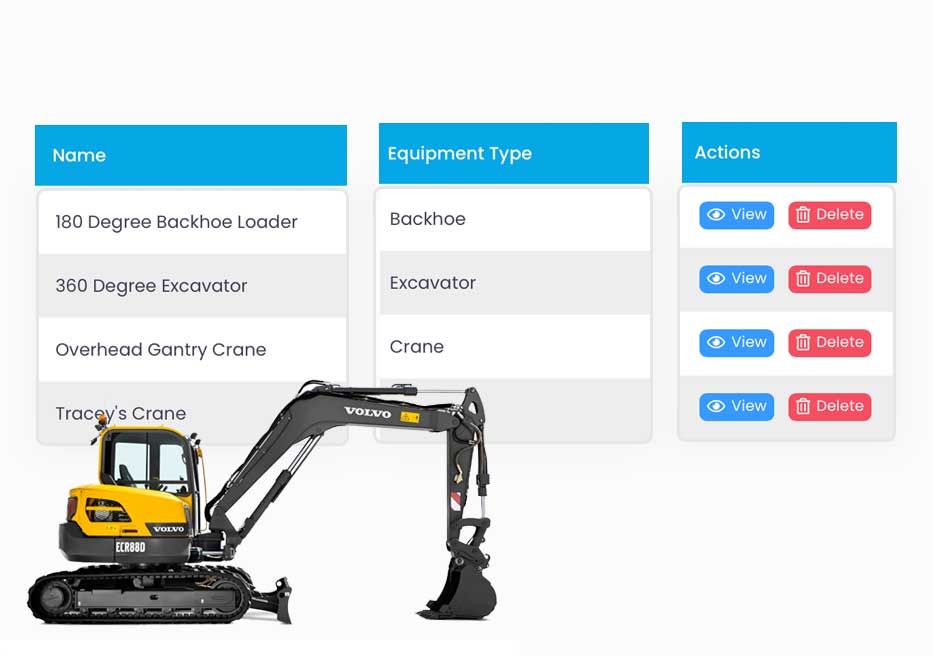
In conclusion, the landscape of business management for contractors is evolving with technology that promises to enhance productivity and streamline processes. Investing in the right software saves time and resources while helping contractors adapt to a rapidly changing industry. With mobile access, cost-effectiveness, and crucial support systems in place, contractors can confidently navigate their projects and focus on delivering quality results.
Embracing these tools is not just a trend; it’s a strategic move towards long-term success in the contracting business.
FAQ Overview: Business Management Software For Contractors
What is business management software for contractors?
It is a digital solution designed to help contractors manage various aspects of their projects, including scheduling, budgeting, and communication.
How can business management software benefit contractors?
It can streamline operations, improve efficiency, reduce errors, and enhance communication among teams.
Is mobile access important for contractors?
Yes, mobile access allows contractors to stay connected, receive real-time updates, and manage tasks on-site, increasing flexibility and responsiveness.
What features should contractors prioritize in software?
Key features include project tracking, budgeting tools, reporting capabilities, mobile access, and customer relationship management.
Are there any cost-saving benefits of using this software?
Yes, by automating processes and improving efficiency, contractors can significantly reduce operational costs and time spent on tasks.
