Best hr software for startups is a game-changer in today’s fast-paced business environment. As startups grow and evolve, finding the right HR software can be essential for managing human resources effectively. This software not only streamlines processes but also supports scalability, ensuring that the growing needs of a startup are met seamlessly.
From essential features like employee onboarding and payroll management to the ability to integrate with other business tools, the right HR software can empower startups to focus on their core objectives while navigating the complexities of human resource management. In this guide, we will dive into the key features, comparisons, and insights to help you choose the best HR software tailored for your startup’s needs.
Identify the top features that make HR software suitable for startups.
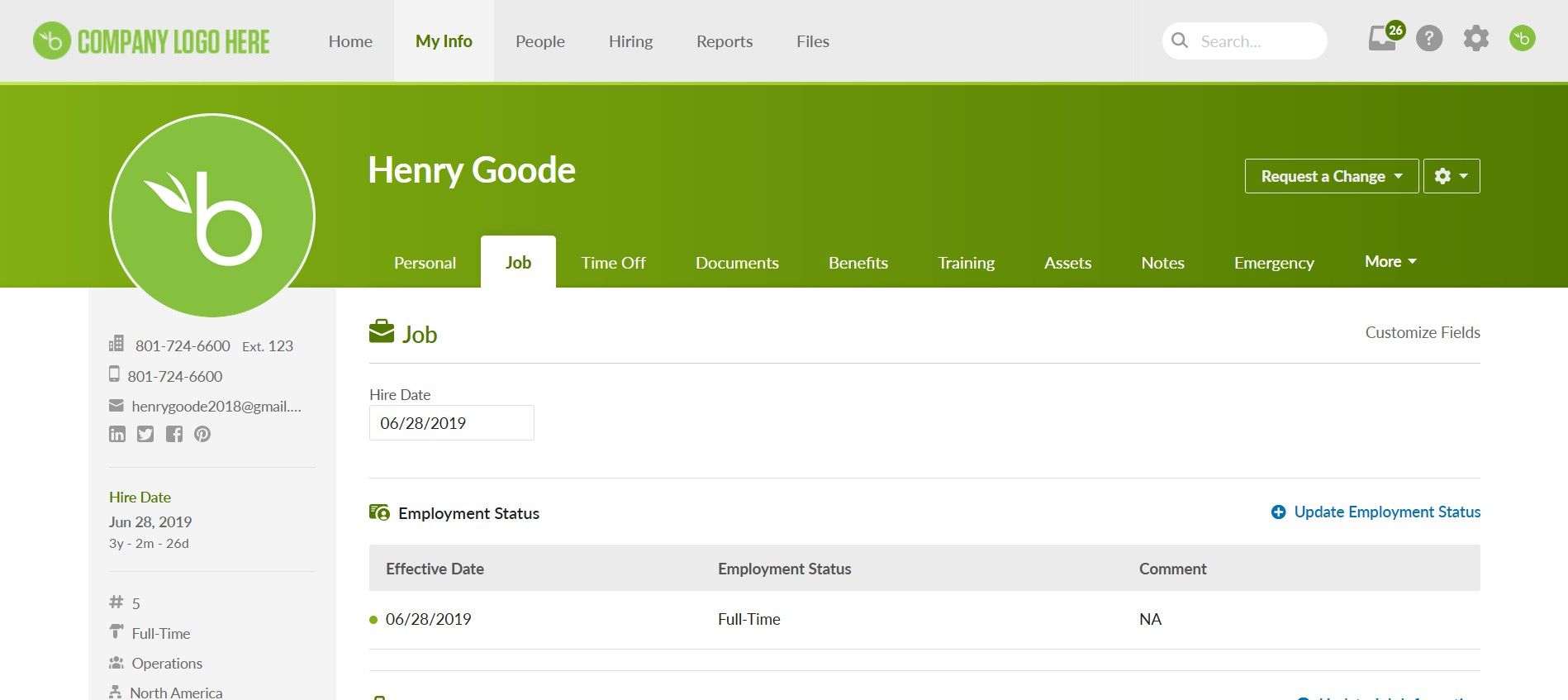
In an era where technology drives efficiency, having the right HR software can significantly enhance a startup’s operational effectiveness. The best HR software for startups embodies features that cater specifically to their unique challenges and growth dynamics. Startups often operate with limited resources and flexibility, making it crucial to select software that aligns with their evolving needs.Scalability and flexibility are paramount in HR software for growing companies.
As startups expand, their HR requirements become more complex, and a solution that can grow alongside them ensures continuity and reduces the need for frequent system changes. Essential features include employee onboarding, payroll management, and performance tracking, which provide a solid foundation for managing HR processes effectively. Additionally, a user-friendly interface is vital, as it encourages adoption and minimizes training time for employees.
Key Features of Suitable HR Software
When assessing HR software, it’s important to understand the specific features that will benefit a startup. The following key features stand out as particularly valuable:
- Employee Onboarding: Streamlining the onboarding process helps new hires acclimate quickly. An effective onboarding system can automate paperwork and training schedules, ensuring a smooth transition into the company culture.
- Payroll Management: Efficient payroll processing is essential for maintaining employee satisfaction. Automated payroll reduces errors, ensures compliance, and saves valuable time for HR teams.
- Performance Tracking: Having tools in place to monitor employee performance fosters growth and accountability. Regular performance reviews and feedback mechanisms can be enhanced through integrated tracking features.
- Scalability: As the startup grows, HR software should adapt to increasing employee numbers and evolving HR needs without significant additional costs or complexity.
- Flexibility: A flexible HR platform can be customized to suit the specific processes of the startup, allowing for adjustments as the company’s structure and culture develops.
- User-Friendly Interface: A straightforward and intuitive interface encourages adoption among staff and reduces the learning curve, promoting overall efficiency.
“The right HR software can transform your HR processes, making them more efficient and enabling startups to focus on growth.”
Compare different HR software options available for startups in terms of pricing and functionality.
For startups, selecting the right HR software is crucial, as it can directly impact recruitment, employee management, and overall efficiency. With numerous options available, it’s essential to analyze various software solutions based on both pricing and functionality to find the best fit for limited budgets and unique needs.When evaluating HR software, startups should consider not only the features provided but also how pricing structures align with their financial capabilities.
Many solutions offer tiered pricing models, allowing businesses to choose based on their size and requirements. The following table Artikels several popular HR software solutions, highlighting their pricing models and key features.
HR Software Options Overview
The following table presents a comparison of different HR software solutions tailored for startups. Each option is evaluated based on its pricing model and key functionalities, which are vital in determining their value proposition for startups.
| HR Software | Pricing Model | Key Features |
|---|---|---|
| Gusto | Starts at $39/month + $6/employee | Payroll, benefits management, hiring tools, compliance assistance |
| Zenefits | Starts at $10/month/employee | Full HR suite, employee onboarding, time tracking, benefits administration |
| BambooHR | Starts at $99/month (up to 12 employees) | Employee self-service, performance tracking, applicant tracking, reporting |
| Namely | Custom pricing (based on employee count) | Payroll, benefits, performance management, time tracking, HR compliance |
| Freshteam | Free for up to 50 employees, then $1/employee/month | Applicant tracking, onboarding, employee database, time-off management |
For startups with limited budgets, the value proposition of these HR software options can be significant. Solutions like Freshteam offer a free tier that allows startups to manage their HR needs without financial strain, making it an attractive choice for those just beginning their journey. However, this often comes with limitations in features and support, which may not scale well as the startup grows.On the other hand, paid solutions often provide a richer set of features and dedicated support, which can enhance operational efficiency and employee satisfaction.
The trade-offs between free and paid HR software are essential for startups to consider. While free options may save costs upfront, they might lack crucial functionalities such as advanced reporting, integrations, or personalized support. In contrast, investing in paid software is likely to deliver better tools for onboarding, compliance tracking, and employee engagement, ultimately supporting a smoother HR process as the startup evolves.
Balancing initial costs with long-term value is key to selecting the right HR software for a startup’s unique context.
Explore how HR software can streamline processes and improve efficiency in startups.
In the fast-paced world of startups, efficiency is paramount. HR software can be a game-changer, simplifying various processes so that teams can concentrate on growth and innovation. By automating key HR functions, startups can enhance operational efficiency and reduce the risk of errors associated with manual data handling.One of the most significant advantages of HR software is its ability to automate time-consuming administrative tasks.
This not only saves time but also minimizes the risk of human error, leaving HR teams free to focus on strategic initiatives. The following processes can be significantly improved through automation:
Automated Processes in HR Software
Automation in HR software covers a range of functions that are vital for startups. By implementing these automated processes, startups can enhance productivity and ensure smoother operations:
- Time Tracking: HR software can provide automated time tracking features, allowing employees to log their hours effortlessly. This helps ensure accurate payroll and project cost allocation without the hassle of manual timesheets.
- Leave Management: Automating leave requests and approvals simplifies the process for both employees and HR. Startups can track employee leave balances and generate reports, ensuring that team members remain productive without administrative delays.
- Onboarding Processes: New hires can be onboarded through digital platforms that streamline documentation, training, and compliance. This speeds up the familiarization process and helps integrate new employees into the company culture more effectively.
- Performance Management: Many HR solutions offer automated performance tracking, enabling startups to set goals, gather feedback, and assess employee performance without burdensome paperwork.
By reducing administrative burdens, HR software allows startups to focus on their core business activities rather than getting bogged down by repetitive tasks. As organizations grow, the need for efficient management of resources becomes increasingly critical. The right HR software can help achieve this balance.For instance, a startup like Trello, which utilizes HR software to manage its remote team effectively, has seen tremendous growth.
By automating onboarding and performance evaluations, Trello enabled its HR team to devote more time to strategic planning and employee engagement initiatives. Similarly, Buffer has successfully leveraged HR software to streamline time tracking and leave management, contributing to a more efficient workplace culture.These examples illustrate how startups can thrive by embracing HR technology, leading to improved operations and a more focused approach to growth.
The investment in the right HR software can transform the way startups operate, making them more agile and competitive in today’s dynamic market.
Share insights on the integration of HR software with other business tools used by startups.
In today’s fast-paced business environment, startups require seamless integration between their HR software and other essential business tools to promote efficiency and collaboration. The ability to connect disparate systems can significantly enhance data accuracy, streamline operations, and foster better decision-making processes. Understanding how to integrate these tools effectively is crucial for startups that aim to leverage technology for growth and productivity.Integrating HR software with other business tools can create a unified system that simplifies data management and reporting across various functions.
Common tools that HR software should integrate with include accounting software, project management tools, and communication platforms. The goal is to create a cohesive environment where information flows freely, reducing the chances of errors and ensuring that all departments are aligned.
Check what professionals state about hr system for small business and its benefits for the industry.
Common business tools for integration
Startups should focus on integrating their HR software with the following types of tools:
- Accounting Software: Integrating HR software with platforms like QuickBooks or Xero can help streamline payroll processing, expense management, and financial reporting. This ensures that all employee-related costs are accurately tracked and managed.
- Project Management Tools: Tools like Asana or Trello help in managing team tasks and projects. Integration allows HR to monitor workload and productivity, aiding in better resource allocation and team dynamics.
- Communication Platforms: Integrating with Slack or Microsoft Teams can enhance team collaboration and ensure that HR-related announcements and updates reach employees promptly.
- Customer Relationship Management (CRM) Systems: Linking HR software with CRMs like Salesforce can provide insights into workforce performance, aligning employee efforts with customer satisfaction and business goals.
The benefits of having a unified system for data management and reporting are substantial. By ensuring that all systems communicate effectively, startups can enjoy:
- Improved Data Accuracy: Automatic updates reduce manual entry errors, leading to more reliable data.
- Time Efficiency: Employees can spend less time navigating multiple systems, focusing more on their core responsibilities.
- Enhanced Reporting Capabilities: Comprehensive data from integrated systems provides a clearer picture for analysis and decision-making.
However, startups may encounter challenges when integrating HR software with existing systems. Common hurdles include compatibility issues, resistance to change among employees, and the potential complexity of implementation. To overcome these challenges, startups can consider the following strategies:
- Conducting Thorough Research: Before selecting HR software, ensure it is compatible with existing tools to minimize integration issues.
- Engaging Employees: Involve the team in the selection process to increase acceptance and reduce resistance to new systems.
- Utilizing API Capabilities: Leverage application programming interfaces (APIs) to facilitate smoother connections between different software solutions.
“An integrated approach not only saves time but also enhances the overall operational efficiency of a startup, paving the way for sustainable growth.”
Discuss the role of data analytics in HR software for startups.
In today’s fast-paced business landscape, startups must leverage every tool at their disposal to thrive, and data analytics in HR software is no exception. By harnessing data-driven insights, startups can better understand their workforce, optimize performance, and foster a positive workplace culture. The integration of analytics into HR processes not only helps in tracking essential metrics but also provides a roadmap for informed decision-making.Data analytics plays a crucial role in unveiling patterns and trends within a startup’s workforce.
By analyzing data from various sources, HR software can provide actionable insights into employee performance and engagement. For instance, data analytics can highlight which employees are exceeding their targets, who may need additional support, and what factors contribute to employee satisfaction or dissatisfaction.
Insights into Employee Performance and Engagement
Understanding employee performance and engagement requires careful monitoring of various metrics. By utilizing HR software equipped with data analytics capabilities, startups can track and analyze these aspects effectively. Key performance indicators (KPIs) and engagement metrics can be leveraged to inform HR decisions, ultimately improving workplace culture. To effectively monitor these metrics, startups should consider the following aspects:
- Employee Productivity: Track the output and efficiency of team members to identify high performers and those requiring additional training or support.
- Engagement Levels: Utilize surveys and feedback tools to gauge overall employee satisfaction and engagement, which can inform retention strategies.
- Turnover Rates: Analyze reasons for employee departures to create targeted retention programs and enhance company culture.
- Performance Reviews: Integrate regular performance assessments to gather data over time, allowing for trend analysis in employee development.
- Training Effectiveness: Measure the impact of training programs on employee performance to ensure resources are effectively allocated.
Leveraging these analytics helps startups to not only improve individual performance but also cultivate a thriving organizational culture that attracts and retains talent.
“Data is the new oil. It’s valuable, but if unrefined, it cannot really be used.” – Clive Humby
Startups can harness these insights through various methods, such as implementing regular check-ins, utilizing performance management tools, and analyzing engagement survey results. By fostering an environment that values data-driven insights, startups can make informed HR decisions that directly contribute to growth and retention. Examples of metrics that startups should focus on include:
- Employee Net Promoter Score (eNPS): A measure of employee loyalty and satisfaction.
- Time to Hire: An important metric that informs the efficiency of the recruitment process.
- Absenteeism Rates: High rates can indicate workplace issues that need addressing.
- Training Completion Rates: Monitoring this can help assess the effectiveness and uptake of development opportunities.
- Employees’ Career Progression: Tracking promotions and internal mobility can highlight the effectiveness of career development initiatives.
By establishing a strong data analytics framework within their HR software, startups can not only drive organizational growth but also create a supportive and engaging workplace culture that empowers employees to succeed.
Create a guide on evaluating HR software options specifically tailored for startup needs.
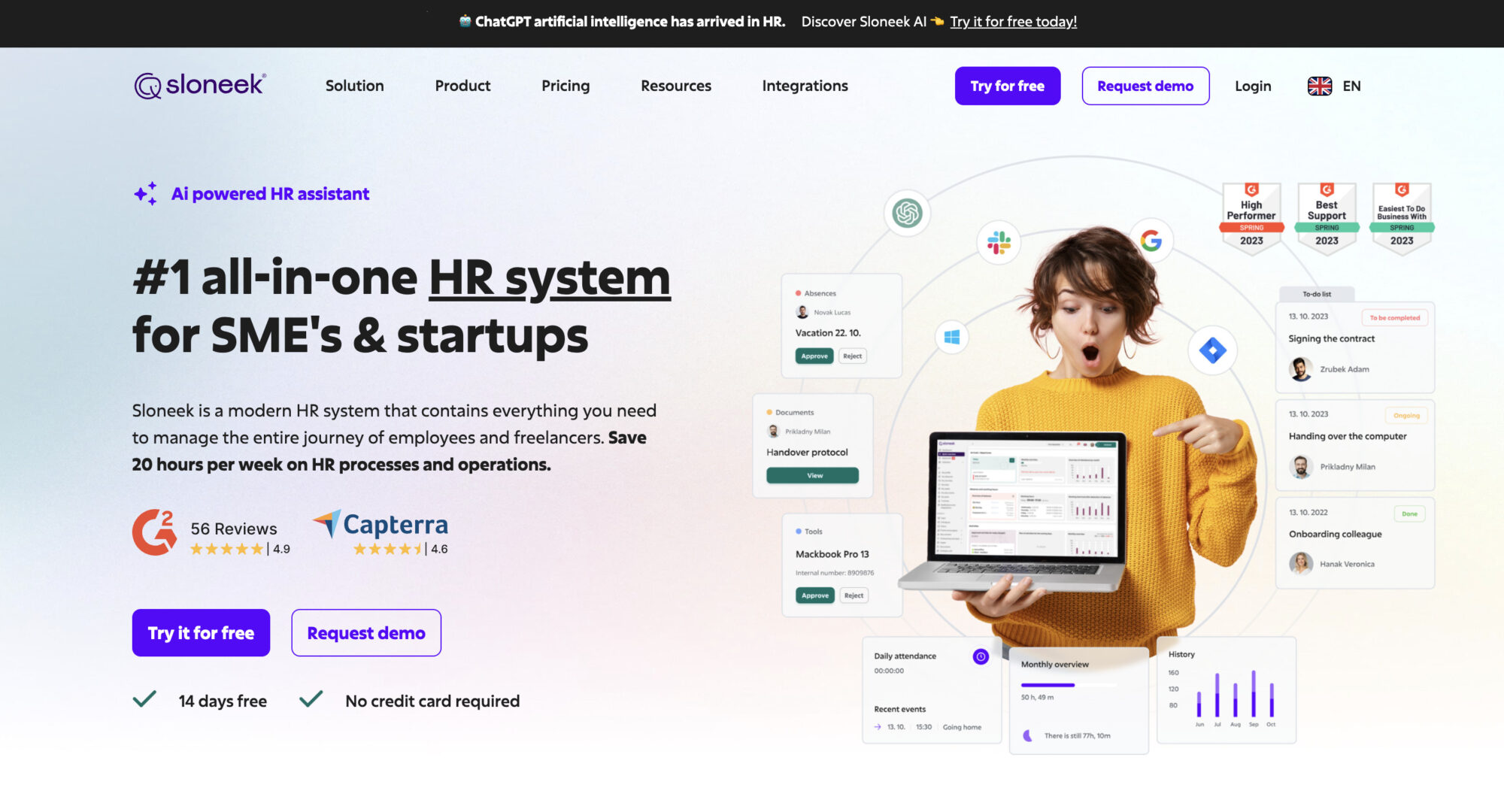
In the fast-paced world of startups, selecting the right HR software is crucial for scaling operations and managing talent effectively. The multitude of options available can be overwhelming, but understanding specific criteria tailored to startup needs can simplify the selection process. When evaluating HR software, startups should focus on features that align with their operational requirements, budget constraints, and future growth potential.
The following criteria can help guide the decision-making process.
Criteria for Evaluating HR Software
To ensure the chosen HR software meets the unique needs of a startup, consider the following essential criteria:
- Customization Capabilities: The ability to tailor the software to fit specific processes and workflows is vital for startups. Look for software that allows you to customize features and integrations to meet your evolving needs.
- Scalability: Startups often experience rapid growth, so it’s important to select software that can scale with your company, accommodating more users and additional features without requiring a complete overhaul.
- User-Friendliness: A clean, intuitive interface reduces the learning curve for new users. Evaluate how easy it is for your team to navigate and utilize the software effectively.
- Customer Support: Reliable customer support can make a significant difference, especially in the early stages. Ensure the provider offers robust support options, including live chat, email, and phone support.
- Integration Capabilities: The software should easily integrate with other tools your startup is already using, such as payroll systems, project management tools, and communication platforms.
- Compliance Features: Since startups must adhere to labor laws and regulations, having built-in compliance features can streamline this process and reduce the risk of errors.
- Analytics and Reporting: Look for software that provides relevant analytics and reporting capabilities, which can help make data-driven decisions regarding hiring, performance management, and employee engagement.
Importance of Trial Periods and Demos
Trial periods and demos are essential in evaluating HR software options for startups. They provide an opportunity to test functionality, usability, and overall fit for your business.
“Trial periods allow startups to experience the software firsthand and gauge its effectiveness before committing to a purchase.”
Consider scheduling demos with different software providers to see their solutions in action. This can further clarify how well the software integrates into your existing systems and whether it meets your startup’s specific needs.
Evaluation Checklist for Startups
A structured checklist can streamline the evaluation process when considering HR software. Use the following points during your assessment:
- Define your startup’s HR needs and priorities.
- Research available software options and their features.
- Evaluate the pricing structure and ensure it fits within your budget.
- Check for user reviews and testimonials to gauge customer satisfaction.
- Request demos and take advantage of trial periods.
- Assess the quality of customer support and training resources offered.
- Confirm integration capabilities with your existing tools.
- Review the software’s compliance features and data security measures.
- Analyze the analytics and reporting tools to ensure they meet your decision-making needs.
Elaborate on the importance of compliance features in HR software for startups.
In the fast-paced world of startups, compliance with labor laws and regulations is crucial for maintaining a healthy business environment. As startups grow, they must navigate a complex web of legal requirements that can vary by industry and location. HR software equipped with compliance features plays a vital role in ensuring that startups adhere to these regulations, thereby avoiding costly legal issues and fostering a culture of accountability.Compliance features in HR software are designed to help organizations manage their obligations effectively.
Startups often lack dedicated compliance teams, making it essential for their HR tools to provide automated updates and guidance on regulatory changes. This not only saves time but also minimizes the risk of unintentional violations that could lead to legal repercussions.
Regulatory requirements and the role of HR software in compliance
Startups must comply with various regulatory requirements, including labor laws, tax obligations, and employee benefits regulations. HR software can assist in the following ways:
- Automated reporting: Many HR software solutions offer automated tools for generating compliance reports, which are crucial for meeting government requirements and demonstrating adherence to labor laws.
- Document management: Compliance features often include tools for securely storing and managing employee documents, such as contracts, tax forms, and verification checks, ensuring that businesses can easily access the necessary paperwork during audits.
- Policy management: Startups can use HR software to create, distribute, and track employee acknowledgment of company policies, helping to ensure that all employees are informed about their rights and responsibilities.
Examples of compliance-related features to protect startups
To safeguard against legal issues, startups can benefit from specific compliance-related features offered by HR software. These features include:
- Real-time updates: Compliance software often provides real-time updates on changes to labor laws, ensuring that startups remain informed about their legal obligations.
- Employee self-service portals: These portals allow employees to access their personal information, benefits, and compliance-related documents, which can reduce discrepancies and enhance transparency.
- Integrated compliance checklists: Many HR systems come with built-in compliance checklists that guide startups through necessary procedures and documentation for various regulations.
Staying updated on changing labor laws and regulations
HR software is invaluable for keeping startups informed about evolving regulations. Many platforms incorporate features that track legislative changes and provide alerts when new laws are enacted. This proactive approach allows startups to adjust their policies and practices accordingly, reducing the risk of non-compliance.With the right HR software, startups can focus more on their growth and innovation while ensuring they meet their compliance obligations efficiently.
This not only protects them from potential legal issues but also builds a positive reputation in the marketplace, instilling confidence among employees and stakeholders alike.
Describe the potential challenges startups may face when implementing HR software.
As startups venture into the realm of scaling their businesses, implementing HR software becomes a critical step. However, this journey is often fraught with challenges that can hinder successful implementation. Understanding these potential obstacles can empower startups to navigate their HR software journey more effectively.One of the most significant challenges faced by startups during HR software implementation is employee resistance.
Employees may be accustomed to existing processes and reluctant to adapt to a new system, fearing it could disrupt their workflow or lead to job insecurity. Additionally, startups often encounter system integration issues, especially if they are using multiple tools or platforms that need to work together seamlessly. Budget constraints can further complicate matters, as startups must balance the need for effective HR solutions with limited financial resources.
Common Obstacles
Recognizing the specific challenges can help startups tailor their approach to implementation. Below are some common obstacles faced:
- Employee Resistance: Employees may resist change due to comfort with existing processes.
- System Integration Issues: Difficulty in integrating new HR software with existing tools can lead to data silos and inefficiencies.
- Budget Constraints: Limited financial resources can restrict options, forcing startups to choose less suitable solutions.
- Lack of Expertise: Startups may struggle with the technical know-how needed for implementation and ongoing management.
- Insufficient Training: A lack of adequate training can lead to improper use of the software, reducing its effectiveness.
Strategies for Effective Implementation, Best hr software for startups
Successfully managing the implementation process requires thoughtful strategies. Startups can adopt the following approaches:
- Engagement and Communication: Involve employees early in the process, addressing their concerns and ensuring they understand the benefits.
- Phased Implementation: Roll out the software in stages to minimize disruption and allow for adjustments based on feedback.
- Training Programs: Invest in comprehensive training to ensure all employees feel confident and competent using the new system.
- Feedback Mechanisms: Create a system for gathering employee feedback during implementation to make necessary adjustments.
- Integration Planning: Allocate resources for proper integration with existing tools, ensuring a seamless transition.
Case Studies of Successful Implementation
Several startups have successfully navigated the challenges of HR software implementation, leading to improved efficiency and employee satisfaction:
- Startup A: Faced significant employee resistance during the rollout of its HR software. By involving staff in the selection process and conducting training sessions, they fostered buy-in and reduced pushback, resulting in a smoother transition.
- Startup B: Struggled with budget constraints but opted for a scalable HR software solution that allowed them to pay only for the features they needed at launch. This strategy enabled them to grow into additional functionalities as their budget allowed.
- Startup C: Encountered integration issues when combining their HR software with accounting tools. They dedicated resources to hire a consultant specializing in integrations, which ultimately saved time and improved data accuracy across platforms.
Investigate the future trends in HR software development relevant to startups.
As the landscape of work continues to evolve, startups are increasingly relying on advanced HR software to meet the demands of a changing workforce. The future of HR technology is being shaped by several emerging trends that promise to revolutionize how startups manage their human resources. These trends are influenced by technological advancements, shifts in work culture, and the growing need for data-driven decision-making.The integration of emerging technologies like artificial intelligence (AI) and machine learning is poised to significantly impact HR software.
These technologies can automate repetitive tasks, enhance decision-making capabilities, and provide predictive analytics that help startups anticipate workforce needs. By leveraging AI, HR software can streamline processes such as recruitment, onboarding, performance management, and employee engagement, ultimately saving time and resources.
Impact of AI and Machine Learning on HR Software
The introduction of AI and machine learning into HR software is transforming how startups interact with their employees and manage their operations. Key impacts include:
- Automated Recruitment: AI-driven tools can analyze candidate applications faster and more accurately than human recruiters, identifying the best fits for job roles based on specific criteria.
- Personalized Employee Experience: Machine learning algorithms can adapt to individual employee needs, providing tailored training programs and development opportunities that enhance employee satisfaction and retention.
- Predictive Analytics: Startups can use predictive analytics to foresee employee turnover, allowing them to implement retention strategies before it’s too late.
- Streamlined Compliance: AI can help ensure that startups remain compliant with labor laws by automating reporting and tracking necessary documentation.
As remote work continues to gain traction, startups are seeking HR software that accommodates distributed teams and fosters collaboration. The trend towards hybrid work environments necessitates features that promote connectivity among employees who may never work in the same physical location.
Influence of Remote Work on HR Software Features
The shift to remote work has changed the requirements for HR software, necessitating functionalities that facilitate effective management of remote employees. Startups are looking for software that offers:
- Virtual Collaboration Tools: Integrated video conferencing and communication tools help maintain team cohesion and facilitate regular check-ins, making remote work more efficient.
- Remote Performance Management: Tools that allow managers to set goals, provide feedback, and monitor performance remotely are essential in a distributed work environment.
- Onboarding for Remote Employees: Enhanced onboarding features that can be conducted entirely online ensure that new hires feel welcomed and integrated into the company culture.
- Flexibility in Work Arrangements: HR software that supports flexible schedules and time tracking is increasingly important as employees seek a better work-life balance.
Looking ahead, the evolution of HR software is expected to be characterized by increased integration with other business tools, a focus on employee well-being, and a greater emphasis on diversity and inclusion initiatives. Startups will benefit from software that not only manages HR processes but also contributes to a positive workplace culture.
Predictions for the Evolution of HR Software
As technology continues to advance, several predictions can be made regarding the future of HR software in startups:
- Increased Use of Data Analytics: Startups will increasingly utilize data analytics to drive HR decisions, enabling them to adapt to changing workforce dynamics and improve employee engagement.
- Enhanced User Experience: HR software will prioritize user-friendly interfaces and seamless user experiences, making it easier for employees and managers to navigate.
- Focus on Mental Health: Tools designed to monitor and support employee mental health will become standard features, reflecting the growing importance of well-being in the workplace.
- Integration with Emerging Technologies: Future HR software will likely integrate with new technologies, such as blockchain for secure record-keeping and virtual reality for immersive training experiences.
As startups continue to adapt to a rapidly changing business environment, the evolution of HR software will play a critical role in shaping their success. Embracing these trends will not only help startups streamline their processes but also foster a more engaged and productive workforce.
Share success stories of startups that have effectively utilized HR software to boost their growth.
In today’s competitive landscape, startups are leveraging HR software to streamline their operations and foster growth. The ability of these tools to manage employee data, automate processes, and enhance communication can significantly impact a startup’s success. Here, we explore real-life examples of startups that have harnessed HR software effectively, illustrating how strategic HR practices can lead to improved employee satisfaction and retention.
Case Studies of Successful Startups
Several startups have made remarkable strides in their growth trajectories by adopting innovative HR software solutions. Below are specific case studies that highlight different HR software platforms and the tangible results achieved.
- Zenefits: This startup focused on simplifying the HR process for small businesses. By utilizing their cloud-based HR software, Zenefits helped over 30,000 companies streamline employee onboarding and benefits management. As a result, these companies reported a 50% reduction in time spent on HR tasks, allowing more focus on core business activities.
- Gusto: Gusto’s HR platform has empowered small businesses to manage payroll, benefits, and compliance seamlessly. One small business owner noted that switching to Gusto not only saved them $3,000 a year in payroll processing fees but also improved employee satisfaction rates by 25% due to better benefits management.
- BambooHR: This software is popular among startups for its user-friendly interface and comprehensive features. A tech startup utilizing BambooHR saw a 40% increase in employee retention over two years. The software facilitated regular feedback loops and employee engagement surveys, which greatly enhanced workplace morale.
Impact on Employee Satisfaction and Retention
The effective use of HR software can significantly influence employee satisfaction and retention rates. Startups that prioritize their HR processes through technology often observe the following benefits:
Increased Engagement
Automated performance reviews and feedback mechanisms enhance communication between management and employees, fostering a culture of openness and engagement.
Streamlined Onboarding
Efficient onboarding processes lead to quicker acclimatization of new hires, making them feel welcome and valued from day one.
Access to Benefits
Employees value transparency and ease of access to their benefits information. HR software that provides this fosters trust and satisfaction among team members.
“Effective HR practices lead to a happier workforce, which directly correlates with higher retention rates and overall productivity.”
Lessons Learned and Best Practices
Startups can draw several key lessons from the success stories of their peers in utilizing HR software effectively:
Invest Early in HR Software
Startups that incorporate HR tools early in their development tend to scale more efficiently as they grow.
Regularly Review HR Processes
Continuous evaluation of HR practices ensures that the software is meeting the evolving needs of the business and its employees.
Focus on Employee Experience
Prioritizing the employee experience through effective HR practices leads to enhanced loyalty and retention, creating a stronger organizational culture.These examples and insights demonstrate that with the right HR software, startups can not only manage their human resources more effectively but also create a thriving workplace culture that supports their long-term growth objectives.
Outcome Summary
In summary, selecting the best hr software for startups is crucial for enhancing efficiency and ensuring compliance as your business scales. By understanding the essential features, comparing available options, and leveraging data analytics, you can make informed choices that foster growth and improve employee satisfaction. Startups that invest in the right HR software will not only streamline operations but can also thrive in a competitive landscape.
FAQ Resource: Best Hr Software For Startups
What features should a startup look for in HR software?
Startups should prioritize features such as employee onboarding, payroll management, performance tracking, and user-friendly interfaces.
Is free HR software worth considering for startups?
Free HR software can be beneficial for startups on a tight budget, but it may lack some advanced features and customer support compared to paid options.
How can HR software improve efficiency in a startup?
HR software automates processes like time tracking and leave management, reducing administrative burdens and enabling startups to focus on their core business activities.
What challenges might startups face when implementing HR software?
Common challenges include employee resistance, integration issues, and budget constraints, but these can be managed with proper planning and communication.
How important is customer support when choosing HR software?
Customer support is critical for startups, as they may need assistance with setup, troubleshooting, and maximizing the software’s features.
