Best employee engagement software is essential for fostering a vibrant workplace culture where employees feel valued and motivated. In today’s fast-paced business environment, effective engagement tools not only enhance employee satisfaction but also drive productivity and retention. By leveraging technology, organizations can create a more inclusive and communicative atmosphere, ensuring every team member’s voice is heard.
This software is designed to streamline communication, gather feedback, and encourage collaboration, thus contributing significantly to overall workplace morale. Numerous companies have successfully utilized these tools to transform their organizational culture, proving that investing in engagement software is a strategic move for both employees and employers alike.
The Importance of Employee Engagement Software in Modern Workplaces: Best Employee Engagement Software
In today’s fast-paced business environment, employee engagement software has emerged as a critical tool for organizations aiming to foster a positive workplace culture. This technology is designed to enhance communication, streamline feedback, and promote collaboration among employees, ultimately contributing to a more engaged and productive workforce. The essence of such software lies in its ability to bring employees together, ensuring they feel valued and connected to their roles and the organization as a whole.
Employee engagement software plays a pivotal role in shaping a positive workplace culture by providing platforms for real-time feedback, recognition, and communication. By integrating these features, organizations can create an environment where employees feel heard and appreciated. For instance, tools that enable peer recognition allow team members to acknowledge each other’s efforts, reinforcing a sense of belonging. Such recognition can lead to higher morale, reduced turnover rates, and overall job satisfaction.
Technology enhances employee satisfaction and productivity by offering tools that cater to various aspects of employee engagement. These tools facilitate performance tracking, goal setting, and professional development, which are essential for personal and organizational growth. By utilizing analytics, managers can assess engagement levels and identify areas for improvement. This data-driven approach ensures that initiatives are tailored to meet the specific needs of the workforce.Several businesses have successfully implemented employee engagement software to boost their workplace culture.
For example, Salesforce, a leader in customer relationship management, uses its own platform to promote employee engagement. Their “Ohana” culture, which means family in Hawaiian, is supported by tools that allow employees to share accomplishments, provide feedback, and collaborate on projects. This fosters a sense of unity and collective purpose, resulting in high employee satisfaction and loyalty.Another notable example is Zappos, the online shoe and clothing retailer.
They implemented an engagement software system that emphasizes employee autonomy and encourages open communication. This has helped them maintain a strong culture where employees feel empowered to contribute ideas and innovations, leading to outstanding customer service and brand loyalty. Moreover, companies like Microsoft have leveraged engagement software to enhance collaboration across departments. Their platform includes features that allow for seamless communication between teams, helping to break down silos and encouraging cross-functional projects.
This not only boosts productivity but also promotes a culture of teamwork and innovation.
In summary, employee engagement software is a vital asset in modern workplaces, significantly contributing to a positive culture. By embracing technology that promotes engagement, organizations can foster an environment of satisfaction and productivity, ultimately leading to greater success and retention of talent.
Key Features to Look for in the Best Employee Engagement Software
In the ever-evolving landscape of modern workplaces, selecting the right employee engagement software is crucial for fostering a motivated and productive workforce. The ideal software should not only facilitate communication but also enhance the employee experience by offering features that truly engage. Understanding what to look for can ensure that organizations invest in tools that yield tangible benefits.When evaluating employee engagement software, it’s essential to prioritize features that streamline processes and elevate the overall engagement strategy.
Here are several critical features to consider:
Essential Features of Engagement Software
The following features are vital for any effective employee engagement software, ensuring that it meets the diverse needs of both employers and employees:
- Survey and Feedback Tools: The ability to conduct regular surveys and gather feedback is fundamental. These tools help organizations gauge employee satisfaction and identify areas for improvement.
- Performance Management: Integrated performance management systems allow for setting goals, tracking progress, and providing timely feedback, which fosters a culture of continuous improvement.
- Recognition and Rewards Programs: Features that enable peer-to-peer recognition and reward initiatives can significantly boost morale and promote a positive workplace culture.
- Analytics and Reporting: Advanced reporting capabilities provide insights into employee engagement levels, allowing organizations to make data-driven decisions for enhancements.
- Integration Capabilities: The best software can seamlessly integrate with existing tools and platforms, ensuring a smooth user experience and maximizing efficiency.
An intuitive, user-friendly interface is also critical. Employees should easily navigate the software without extensive training. Additionally, mobile accessibility is essential, as it allows employees to engage with the software anytime, anywhere, thereby fostering a more inclusive environment.
Examples of Top Employee Engagement Software
Several software solutions stand out in delivering the key features mentioned above. For instance, Officevibe offers excellent survey tools combined with performance management features, making it an all-in-one solution for employee engagement. Another great example is 15Five, which excels in creating recognition programs and provides insightful analytics to track engagement metrics. TINYpulse is notable for its focus on continuous feedback and peer recognition, enhancing workplace culture effectively.
These systems not only incorporate the essential features listed but also focus on delivering a user-friendly experience across devices, which is essential for modern workplaces.
A Comparative Analysis of Top Employee Engagement Software Options
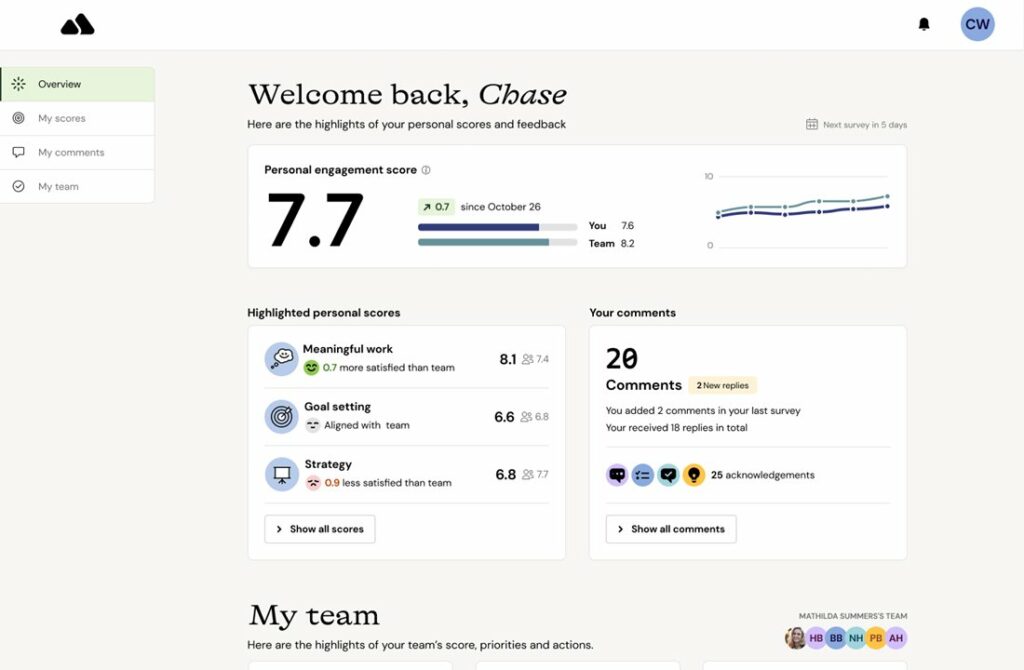
In today’s fast-paced and ever-evolving workplace, selecting the right employee engagement software can significantly impact both employee satisfaction and productivity. A comparative analysis of leading software solutions allows organizations to make informed decisions tailored to their unique needs. This section highlights three top contenders in the employee engagement sphere, focusing on their functionalities and user feedback to help you find the best fit for your company.
Comparison of Leading Employee Engagement Software, Best employee engagement software
When evaluating employee engagement software, it’s crucial to explore functionality, user experience, and overall effectiveness. Below are three widely recognized platforms: Officevibe, TINYpulse, and 15Five. Each option has been assessed based on their features, pricing, and user ratings to provide a clearer picture of their strengths and weaknesses.
| Software | Key Features | Pricing | User Ratings |
|---|---|---|---|
| Officevibe |
|
Starting at $4 per user/month | 4.5/5 |
| TINYpulse |
|
Starting at $5 per user/month | 4.6/5 |
| 15Five |
|
Starting at $7 per user/month | 4.4/5 |
Each software option has distinct strengths and weaknesses.
Officevibe excels in its user-friendly interface and extensive reporting capabilities, but does fall short in customization options for surveys.
TINYpulse stands out with its strong focus on employee recognition and data analytics; however, some users report that its interface can be slightly overwhelming for new users.
15Five is praised for its goal tracking and robust 1-on-1 meeting features, yet its pricing can be on the higher side compared to its competitors.
Arming yourself with insights into these tools can aid in selecting the best employee engagement software tailored to your organization’s needs.
The Impact of Employee Feedback Mechanisms on Engagement Levels
In today’s competitive landscape, understanding the pulse of employees is crucial for maintaining high levels of engagement. Feedback mechanisms embedded within employee engagement software play a significant role in shaping the workplace experience. They not only facilitate communication between staff and management but also significantly influence employee morale and retention rates.Implementing effective feedback tools can have a transformative impact on how employees perceive their roles and the organization as a whole.
When employees feel heard and valued, their commitment to the company often increases. This is a vital step in reducing turnover and fostering a culture of continuous improvement. Feedback mechanisms can take various forms, including surveys, suggestion boxes, and real-time feedback tools, each designed to encourage open dialogue and gather insights on employee satisfaction.
Best Practices for Collecting and Utilizing Employee Feedback
Establishing a robust system for gathering and acting on employee feedback is essential for maximizing engagement. Here are several best practices to consider:
- Create a Safe Environment: Employees should feel comfortable sharing honest feedback. Cultivating a culture where opinions are valued leads to more genuine responses.
- Use Various Feedback Channels: Different employees may prefer different methods of communication. Offering multiple options, such as anonymous surveys, face-to-face meetings, and digital platforms, can increase participation rates.
- Regularly Schedule Feedback Sessions: Making feedback a routine part of organizational practices, such as quarterly surveys or monthly check-ins, helps to create consistency and encourages ongoing dialogue.
- Act on Feedback: Demonstrate that feedback is taken seriously by implementing changes based on employee suggestions. Follow up with employees to let them know how their input has influenced decisions.
- Communicate Results: Sharing survey results and discussing the actions taken can reinforce trust and show employees that their voices matter, thus enhancing engagement levels.
“Organizations that prioritize employee feedback tend to have lower turnover rates and higher levels of employee satisfaction.”
Case studies from various companies showcase the positive effects of feedback mechanisms. For instance, a technology firm implemented regular pulse surveys and saw a 20% increase in employee satisfaction scores within six months. This was attributed to management’s responsiveness to the feedback, which directly addressed concerns about work-life balance and career development opportunities. Another company in the retail sector introduced an anonymous suggestion box feature in their engagement software, resulting in a significant increase in employee retention rates after they acted on suggestions regarding workplace flexibility and team collaboration.These examples underscore the importance of integrating effective feedback mechanisms into employee engagement software, demonstrating that when employees feel valued and their voices heard, it leads to a more committed and satisfied workforce.
Strategies for Implementing Employee Engagement Software Successfully
Implementing employee engagement software in an organization requires a structured approach to ensure it meets its intended goals. A successful rollout can enhance workplace morale, productivity, and retention by fostering a more engaged workforce. Here are the key strategies to facilitate this process.
Steps for Successful Rollout
To implement engagement software effectively, organizations should take the following steps:
1. Define Objectives
Begin by identifying specific goals you aim to achieve with the software. Whether it’s improving communication, gathering feedback, or enhancing team collaboration, having clear objectives will guide the implementation process.
2. Involve Stakeholders
Engage various stakeholders, including HR, management, and employees during the selection and implementation phases. Their input will ensure the software meets diverse needs and increases buy-in.
3. Choose the Right Software
Select a solution that aligns with your objectives and integrates well with existing tools. Consider scalability, user-friendliness, and customer support when making your choice.
Examine how hr management software for small business can boost performance in your area.
4. Develop a Rollout Plan
Create a timeline and detailed plan for the implementation process. This should include key milestones and deadlines to keep the project on track.
5. Communicate Effectively
Inform all employees about the new software and its benefits. Maintain transparency to help alleviate concerns and encourage engagement with the new tool.
6. Gather Feedback
After the initial rollout, actively seek feedback from users to identify any challenges and areas for improvement. This can be done through surveys or informal discussions.
Importance of Training and Ongoing Support
Providing comprehensive training and ongoing support is crucial for maximizing the effectiveness of engagement software. Employees and management must feel confident in using the tools provided to them.
Training Sessions
Conduct thorough training sessions for all users, ensuring they understand how to utilize the features effectively. Tailor training to different user levels to accommodate varying familiarity with technology.
Create Resource Materials
Develop easy-to-follow guides, FAQs, and video tutorials that employees can refer to as needed. These resources can help them navigate the software independently.
Establish Support Channels
Set up dedicated support channels where users can report issues or ask questions. Prompt responses will foster a positive experience and encourage continued use of the software.
Common Pitfalls During Implementation
Organizations often encounter challenges during the implementation of engagement software. Recognizing these pitfalls and taking steps to avoid them is essential for a smooth transition:
Lack of Employee Buy-in
If employees are not engaged from the beginning, they may resist using the software. To counter this, involve them early in the decision-making process and highlight the benefits.
Insufficient Training
Failing to provide adequate training can lead to frustration and decreased usage. Prioritize comprehensive training to empower employees.
Neglecting Feedback
Ignoring user feedback after the rollout can hinder the software’s effectiveness. Establish regular check-ins to ensure the software continually meets user needs.
Overlooking Integration Challenges
If the new software does not integrate well with existing systems, it can create confusion and inefficiencies. Ensure compatibility with current tools to streamline processes.By following these strategies, organizations can facilitate a smoother implementation of employee engagement software that not only enhances engagement but also contributes to a more positive workplace culture.
Measuring the Success of Employee Engagement Software
To truly understand the effectiveness of employee engagement software, organizations need to assess various metrics that reflect employee sentiment and interaction. This evaluation not only indicates how well the software is performing but also highlights areas for improvement. By establishing a framework for measurement, companies can ensure they are fostering a work environment that promotes high engagement levels.Evaluating the effectiveness of engagement software involves tracking specific metrics and key performance indicators (KPIs).
These metrics should be closely monitored to gauge the software’s impact on employee satisfaction and overall workplace culture. Continuous improvement based on these measurement results is vital for keeping engagement high and addressing any emerging challenges.
Key Metrics for Assessing Engagement Software Success
Tracking the right metrics is crucial for understanding the overall success of employee engagement software. By focusing on specific KPIs, organizations can make informed decisions to enhance their engagement strategies. Here are some essential metrics to consider:
- Employee Satisfaction Scores: Regular surveys that measure employee happiness can reveal the effectiveness of engagement initiatives.
- Participation Rates: The percentage of employees actively using the software indicates its adoption and relevance.
- Feedback Frequency: Monitoring how often employees provide feedback through the software can demonstrate its impact on communication.
- Retention Rates: Comparing turnover rates before and after implementing the software can show its effect on employee loyalty.
- Engagement Survey Results: Results from periodic engagement surveys help assess overall employee commitment and connection to the organization.
- Performance Metrics: Tracking individual and team performance before and after software implementation can highlight improvements in productivity.
- Collaboration Levels: Analyzing interactions among employees using the software can indicate enhanced teamwork and communication.
By focusing on these metrics, organizations can paint a clearer picture of how well their engagement software is performing. Continuous assessment allows companies to adapt their strategies based on real data, ensuring they maximize the benefits of their investment in employee engagement tools.
The Future Trends in Employee Engagement Software

The landscape of employee engagement software is rapidly evolving, driven by technological advancements and changing workforce dynamics. As organizations increasingly recognize the importance of employee engagement for productivity and retention, several key trends are emerging that will shape the future of these tools. This section will explore these trends, focusing on the integration of artificial intelligence and data analytics, which are becoming pivotal in enhancing engagement strategies.
Emerging Trends in Employee Engagement Software
The future of employee engagement software is set to be influenced by various emerging trends that will revolutionize how organizations engage with their employees. These trends include:
- Personalization of Engagement Tools: Tailoring engagement solutions to fit individual employee needs and preferences will become increasingly important. Companies will leverage data to create custom experiences that resonate with their workforce.
- Integration of AI Capabilities: Artificial intelligence will play a significant role in analyzing employee interactions and feedback, enabling companies to refine their engagement strategies based on predictive insights.
- Mobile-First Solutions: With the growing use of mobile devices, engagement platforms will prioritize mobile functionality, allowing employees to engage with tools anytime, anywhere.
- Real-Time Feedback Mechanisms: The demand for instant feedback options will rise, fostering a culture of continuous improvement and open communication between employees and management.
- Employee Well-being Initiatives: Engagement software will increasingly incorporate features focused on mental health and overall well-being, recognizing the direct impact of well-being on engagement levels.
The Role of Artificial Intelligence and Data Analytics
Artificial intelligence and data analytics are redefining how companies approach employee engagement. By harnessing these technologies, organizations can gain deeper insights into employee behaviors, preferences, and overall job satisfaction.
“AI can analyze vast amounts of data quickly, offering insights into engagement trends that human analysts might miss.”
AI can automate routine tasks within engagement platforms, allowing HR professionals to focus on strategic initiatives. For instance, sentiment analysis tools can gauge employee mood through their interactions on the platform, providing organizations with actionable data to enhance engagement strategies.
Preparing for Future Trends in Engagement Initiatives
To effectively prepare for these emerging trends, organizations should adopt a proactive approach in their engagement initiatives. This includes:
- Investing in Technology: Companies must allocate resources to upgrade their engagement software and integrate AI and analytics capabilities to stay competitive.
- Fostering a Culture of Openness: Encouraging transparency and open dialogue about engagement initiatives will help in adapting to employee needs more swiftly.
- Continuous Learning and Adaptation: Organizations should prioritize ongoing training for HR teams to effectively utilize new technologies and stay informed about industry best practices.
Outcome Summary
In conclusion, the best employee engagement software serves as a cornerstone for building a motivated workforce and a thriving company culture. By focusing on key features such as user-friendliness and effective feedback mechanisms, organizations can implement these tools successfully and measure their impact over time. As trends evolve, embracing these technologies will be vital for companies looking to stay ahead in the competitive landscape.
FAQs
What is employee engagement software?
Employee engagement software is a digital tool designed to enhance communication, feedback, and collaboration within an organization, ultimately improving employee satisfaction and retention.
How can I measure the effectiveness of engagement software?
The effectiveness of engagement software can be measured using key performance indicators (KPIs) such as employee satisfaction scores, retention rates, and overall productivity metrics.
What features should I prioritize when selecting engagement software?
Prioritize features like user-friendly interfaces, mobile accessibility, feedback collection tools, analytics capabilities, and integration options with other systems.
Can small businesses benefit from employee engagement software?
Absolutely! Even small businesses can significantly enhance their workplace culture and employee satisfaction by utilizing engagement software tailored to their specific needs.
What types of feedback mechanisms are most effective?
Effective feedback mechanisms include regular surveys, pulse checks, and suggestion boxes that allow employees to voice their opinions and concerns anonymously.
