pest control management software is revolutionizing the way pest control companies operate in today’s fast-paced environment. As the industry continues to evolve, integrating technology into pest management strategies has become essential for enhancing efficiency and effectiveness. This software not only streamlines operations but also provides valuable insights that help businesses stay competitive. From scheduling appointments to managing customer relationships, pest control management software is becoming an indispensable tool for practitioners aiming to deliver top-notch services.
As we dive deeper into this topic, we will explore the key features that define effective pest control management software, the role of technology in improving pest control processes, and the comparative analysis of leading software solutions in the market. We will also discuss how such software can enhance customer satisfaction and retention, best practices for implementation, and future trends that are set to shape the industry.
The importance of pest control management software in modern pest management strategies
The field of pest control has evolved significantly over the years, transitioning from traditional methods to a more sophisticated, technology-driven approach. As environmental concerns and regulations have increased, so has the necessity for effective and efficient pest management strategies. Pest control management software plays a crucial role in modern pest management, integrating advanced technological solutions into operational practices. This software not only streamlines processes but also enhances the overall effectiveness of pest control operations.The integration of software into pest management practices marks a substantial shift in how pest control businesses operate.
Historically, pest control relied heavily on manual practices, which were often time-consuming and prone to human error. The introduction of digital tools has transformed these methods, allowing for real-time data collection, tracking, and analysis. Pest control management software can automate scheduling, customer communication, and reporting, leading to increased efficiency. For example, technicians can access customer histories, treatment plans, and pest identification resources directly from their mobile devices during service calls, which improves service delivery and customer satisfaction.
Software solutions also contribute to better decision-making in pest management. By leveraging data analytics, companies can identify trends, monitor pest populations, and assess the effectiveness of treatment strategies. This capability allows businesses to adapt their methods proactively rather than reactively, which is essential in an industry that faces evolving pest behavior and resistance patterns. Enhanced communication features facilitate seamless interaction between office staff and field technicians, reducing delays and improving workflow.
Benefits of pest control management software
Pest control management software offers several key benefits that positively impact businesses within the industry. These benefits include:
Increased Efficiency
Automation of scheduling and reporting processes reduces administrative burdens, allowing staff to focus on core pest control services. This leads to higher productivity levels and a better allocation of resources.
Improved Customer Relations
With features like automated reminders and follow-ups, pest control management software enhances customer engagement. Clients receive timely information about services, thereby improving satisfaction and retention rates.
Enhanced Data Management
The software provides a centralized database for all pest control records, making it easy to access historical data, treatment logs, and customer information. This organized approach supports regulatory compliance and helps in analyzing operational performance.
Real-time Tracking and Reporting
Technicians can log their activities and findings in real-time, providing management with immediate insights into operations. This capability is crucial for making informed decisions quickly and addressing any issues as they arise.
Cost Savings
By optimizing routes and schedules through the software, companies can reduce travel time and costs. Additionally, effective pest management strategies lead to less pesticide usage and lower operational expenses.In summary, pest control management software represents a significant advancement in the pest control industry, enabling businesses to operate more efficiently while ensuring effectiveness in their pest management strategies. The integration of such technology not only streamlines operations but also enhances service quality, ultimately benefiting both pest control companies and their customers.
Key features that define effective pest control management software

In the rapidly evolving field of pest control, the integration of technology through management software has become a game changer. Effective pest control management software not only streamlines operations but also enhances communication and efficiency across the board. The right software can provide pest control professionals with a comprehensive suite of tools tailored to meet their unique needs, ultimately leading to improved service delivery and customer satisfaction.One of the most significant aspects of pest control management software is its functionality.
Essential features that practitioners look for include reporting tools, scheduling capabilities, and customer management systems. Each of these functionalities plays a critical role in ensuring that pest control operations run smoothly and effectively.
Essential functionalities of pest control management software
The core features that define effective pest control management software include:
- Reporting Tools: These allow users to generate detailed reports on pest sightings, treatments administered, and customer feedback. Effective reporting is crucial for analyzing trends and making informed decisions. For example, if a certain pest is consistently reported in a specific area, management can strategize targeted treatments.
- Scheduling: A robust scheduling feature enables pest control technicians to manage their appointments efficiently. It helps in organizing service calls, reducing downtime, and ensuring that no appointments are missed. This feature often includes automated reminders for both technicians and clients to enhance accountability.
- Customer Management: With a comprehensive customer management system, companies can maintain detailed records of client interactions, preferences, and service history. This feature is vital for personalizing service and improving client relationships, ultimately fostering loyalty and repeat business.
- Inventory Management: Tracking inventory levels of pest control products ensures that technicians have the necessary supplies on hand when needed. Effective inventory management can prevent delays in service and reduce excess spending on unnecessary stock.
- Mobile Access: Many modern pest control management software solutions offer mobile capabilities, allowing technicians to access important information on-the-go. This feature enhances communication and ensures that teams can respond quickly to client needs.
Implementing these features is crucial for practitioners in pest control as it leads to greater operational efficiency. For instance, accurate reporting allows businesses to identify patterns and adjust their strategies accordingly. Scheduling tools reduce the risk of missed appointments, which can impact revenue and customer satisfaction. Customer management capabilities strengthen relationships, giving businesses a competitive edge in a crowded market.
Overall, effective pest control management software equips professionals with the tools they need to succeed in a dynamic environment.
The role of technology in improving pest control management processes
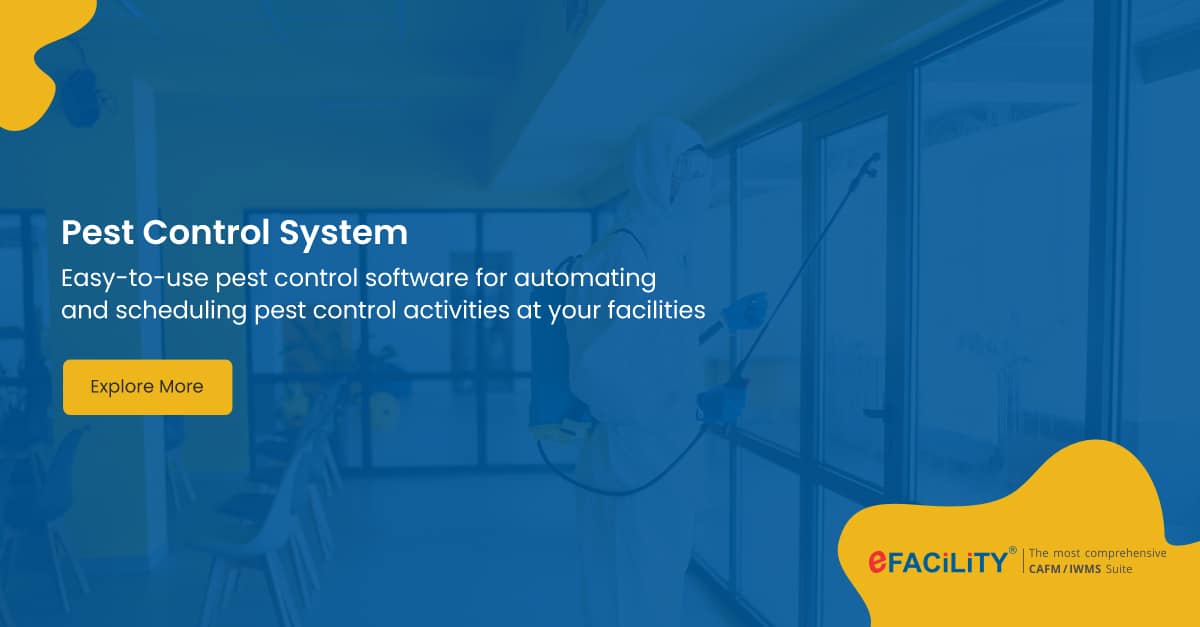
In today’s fast-paced world, technology plays a pivotal role in enhancing pest control management processes. The integration of advanced tools and software has revolutionized how pest control services are delivered, making them more efficient, reliable, and effective. By leveraging technological advancements, pest control companies can streamline their operations, improve customer experiences, and achieve better pest management outcomes.The integration of technology with pest control software allows for real-time monitoring, data analysis, and improved communication among service teams.
This leads to enhanced service delivery and a proactive approach to pest management. For instance, many pest control software solutions now include mobile applications that enable technicians to access vital information on-site, update job statuses, and communicate directly with customers, all while on the go. The ability to gather and analyze data on pest populations, environmental conditions, and treatment efficacy in real time empowers companies to make informed decisions.
Technological advancements in pest management
Recent technological advancements have significantly impacted pest control strategies, with the adoption of IoT devices and artificial intelligence (AI) taking center stage. These innovations offer a range of benefits that optimize pest control efforts and enhance decision-making.IoT devices are equipped with sensors that can detect pest activity, environmental changes, and even monitor the effectiveness of pest treatments. By implementing smart traps and remote monitoring systems, pest control companies can gather data continuously.
This real-time information allows for rapid responses to pest issues before they escalate, thereby reducing the need for more extensive treatments. For example, smart traps can send alerts to technicians when pests are detected, enabling immediate action and minimizing potential damage.AI applications further augment pest management by analyzing vast amounts of data to identify pest patterns, predict infestations, and recommend the most effective treatments.
Machine learning algorithms can assess factors such as weather patterns, seasonal changes, and historical pest activity to generate insights that help in planning pest control strategies. By automating data analysis, pest control companies can save time and resources while enhancing their ability to deliver targeted solutions. Additionally, technology facilitates better customer engagement and education. With interactive applications, customers can access pest control information, track service progress, and even receive educational materials on pest prevention.
This level of transparency helps build trust and improves customer satisfaction, which is crucial in a service-oriented industry.
“The integration of IoT and AI in pest control not only enhances operational efficiency but also empowers companies to adopt a more proactive and data-driven approach to pest management.”
In conclusion, the role of technology in pest control management processes is undeniable. By integrating IoT devices and AI applications, pest control companies can optimize their strategies, improve service delivery, and ultimately achieve better outcomes for their clients.
Comparative analysis of leading pest control management software solutions

In the ever-evolving field of pest control management, choosing the right software solution can significantly enhance a business’s operational efficiency and customer satisfaction. The market offers several pest control management software options, each tailored to meet specific industry demands and user needs. This analysis will compare three popular choices: PestRoutes, PMP, and Jobber, examining their strengths and weaknesses to help businesses make informed decisions.
Overview of Pest Control Software Solutions
Selecting suitable pest control management software involves assessing various factors, including ease of use, features, customer support, and pricing. The following table provides a comparative look at PestRoutes, PMP, and Jobber, highlighting their key attributes:
| Software | Key Features | Strengths | Weaknesses |
|---|---|---|---|
| PestRoutes | Scheduling, invoicing, customer management | User-friendly interface, mobile app access, excellent customer support | Higher pricing tier, limited customizability |
| PMP | Inventory management, reporting, billing | Robust reporting tools, good for larger operations | Steeper learning curve, limited mobile functionality |
| Jobber | Client communication, quotes, scheduling | Flexible pricing, strong customer support, easy to use | Less focus on pest-specific features, can be costly for advanced features |
PestRoutes is particularly noted for its user-friendly interface that allows technicians to easily manage their schedules, invoices, and customer relationships all from one platform. The software’s mobile app ensures that pest control professionals can access vital information on the go, making it especially beneficial for fieldwork. However, some users find the pricing tier to be on the higher side and note that it lacks extensive customizability to adapt to niche operational needs.On the other hand, PMP is tailored more for larger pest control operations that require in-depth reporting and inventory management.
Its robust reporting tools allow businesses to track performance metrics effectively. However, the learning curve can be steep, and the mobile functionality is often seen as limited, which could hinder field technicians who rely on real-time updates.Jobber stands out with its flexible pricing model that accommodates various business sizes and needs. It offers excellent client communication features, making it easier for businesses to engage with their customers effectively.
While it’s user-friendly, Jobber lacks certain pest-specific features that might be essential for specialized pest control services, and some advanced functionalities can drive up costs.In analyzing these software solutions, it’s clear that the ideal choice often depends on the specific needs of the pest control business. For companies focusing on rapid service delivery and user-friendliness, PestRoutes may be the best fit.
For those prioritizing detailed reporting and larger operational capacity, PMP is a strong contender. Meanwhile, Jobber serves as a solid choice for businesses looking for flexibility and an emphasis on customer interaction. Each software has its unique strengths and weaknesses, which must align with the business’s operational model to ensure optimal performance and customer satisfaction.
The impact of pest control management software on customer satisfaction and retention
Effective pest control management software plays a pivotal role in shaping customer satisfaction and retention in the pest control industry. As service providers increasingly leverage technology to enhance their operations, clients observe the benefits through improved service delivery and communication. This transformation significantly contributes to a more positive customer experience, fostering loyalty and long-term retention.
Enhanced customer service through software systems
Integrating comprehensive software systems into pest control operations streamlines various processes that directly affect customer service. One of the key advantages is the automation of scheduling and dispatching. With efficient scheduling tools, technicians can promptly respond to customer requests, leading to quicker service delivery. Additionally, software that tracks service history allows technicians to offer personalized recommendations, reinforcing customer trust and satisfaction.Furthermore, the deployment of mobile applications enables clients to access real-time updates on their service status.
By keeping customers informed, these tools help build confidence in the service provider. For instance, customers can receive notifications about technician arrival times or service completion, minimizing any uncertainty associated with pest control visits. Such transparency fosters a sense of reliability, enhancing overall satisfaction.
Streamlined processes significantly impact customer loyalty. When clients experience seamless communication and efficient service, they are more likely to remain loyal to the company. A study by the Customer Experience Impact Report highlights that 86% of buyers are willing to pay more for a better customer experience, emphasizing that investing in effective pest control management software can have a direct correlation with increased customer retention rates.
Effective communication tools provided by pest control management software further elevate client interactions. Automated reminders for scheduled services or follow-ups after treatments keep the lines of communication open and allow pest control companies to address any concerns proactively. This continuous engagement encourages clients to maintain their relationship with the service provider over time.Moreover, the ability to generate transparent reports for customers about the services rendered or pest management strategies used enhances credibility.
Clients appreciate personalized service reports, which can include information about the products used, safety measures taken, and recommendations for ongoing pest prevention. This level of detail not only reassures customers but also encourages them to share their positive experiences with others, expanding the company’s reputation in the community. In conclusion, the integration of pest control management software significantly enriches customer satisfaction and retention by improving service delivery, fostering clear communication, and establishing trust through transparency.
Investing in such technology is essential for pest control companies aiming to thrive in a competitive landscape.
Best practices for implementing pest control management software in a business
Adopting pest control management software is a strategic move for any pest control business seeking efficiency and improved service delivery. However, successful implementation requires careful planning and execution. Following a step-by-step guide can help ensure a smooth transition to this technology, minimizing disruptions and maximizing benefits for the organization.
Step-by-step guide for successful adoption, Pest control management software
Implementing pest control management software involves several critical steps. Each step is designed to guide a business through the transition with minimal challenges.
- Assess Business Needs: Evaluate specific needs and requirements of the business. Identify issues that the software should address, such as scheduling, customer management, or reporting.
- Select Appropriate Software: Research various software options available in the market. Look for features that align with your business requirements and ensure the solution is user-friendly.
- Engage Stakeholders: Involve key staff members from different departments in the decision-making process. This promotes buy-in and ensures that the software meets diverse operational needs.
- Plan Implementation: Create an implementation timeline with clear milestones. This should include stages like installation, data migration, and testing.
- Conduct Training: Organize comprehensive training sessions for all staff who will use the software. Practical training helps employees adapt quickly to new processes.
- Monitor Progress: After the software goes live, closely monitor its performance and staff feedback. Address any issues promptly to ensure smooth operations.
- Solicit Feedback: Encourage ongoing feedback from staff and customers. Use this information to make necessary adjustments and enhancements to the software usage.
Common challenges and strategies to overcome them
Implementing new software can often present challenges. Recognizing these potential issues early on can greatly reduce their impact.One common challenge is resistance to change from staff. Employees may be accustomed to existing processes and hesitant to adopt new technologies. To combat this, it’s essential to communicate the benefits of the software clearly, highlighting how it can make their jobs easier and improve customer service.Another challenge is data migration.
Transferring existing data to a new system can be complicated and may lead to data loss if not done correctly. To mitigate this risk, businesses should conduct thorough backups and test the migration process in stages.Additionally, technical difficulties may arise during implementation. It’s crucial to have IT support readily available to troubleshoot issues as they occur. Establishing a clear line of communication with the software provider can also facilitate a quicker resolution to technical problems.
Training staff to maximize benefits
Training is crucial in ensuring the successful integration of pest control management software. Employees need to be comfortable using the software to reap its full benefits. A structured training program can enhance their skills and confidence.Effective training should include:
Hands-on Workshops
Allow staff to practice using the software in a controlled environment before full implementation.
Resource Materials
Provide comprehensive user manuals, online guides, and video tutorials that employees can refer to as needed.
Continuous Support
Establish a support system where employees can ask questions and get help even after the initial training phase. This could be through a dedicated team or regular check-ins.
Feedback Mechanisms
Create opportunities for employees to provide feedback on the training process and suggest areas for improvement. This fosters a culture of continuous learning.Ultimately, investing time and resources into proper training and support will significantly enhance staff proficiency with the software, leading to improved operational efficiency and customer satisfaction.
Future trends in pest control management software development
As the pest control industry continues to evolve, so too does the technology that supports it. Future trends in pest control management software development are expected to be influenced by environmental concerns, advancements in technology, and regulatory changes. These factors will not only shape the functionalities of software but also redefine how pest management services operate in a sustainable and customer-focused manner.
The convergence of technology and environmental awareness is already influencing software development in this sector. With increasing regulatory demands focused on sustainability, pest control management software will likely shift toward incorporating eco-friendly practices. This trend is evident in the growing emphasis on Integrated Pest Management (IPM) strategies, which prioritize environmental and human health while effectively controlling pests. Software developers will need to ensure that their products facilitate adherence to these practices by providing features such as chemical usage tracking, pest identification databases, and sustainability reporting tools.
Adoption of innovative technologies in pest control management software
Businesses must stay ahead of these emerging trends to maintain a competitive edge. The following strategies can guide effective adaptation to technological advancements in pest control management software:
1. Invest in AI and Machine Learning
Incorporating artificial intelligence can enhance pest detection and forecasting, allowing for proactive measures. Machine learning can analyze historical data to predict pest behavior trends, which can be invaluable for planning interventions.
2. Utilize IoT Integration
Internet of Things (IoT) devices can provide real-time data regarding pest activity and environmental conditions. This integration allows for more responsive pest management practices and enables businesses to optimize their service delivery.
3. Embrace Cloud-based Solutions
Do not overlook the opportunity to discover more about the subject of manufacturing management software.
Cloud technology offers scalability and accessibility, allowing businesses to manage data seamlessly across different locations. This is especially beneficial for franchises and companies operating in multiple regions.
4. Focus on User Experience
As software becomes more sophisticated, ensuring that it remains user-friendly is crucial. Providing training and resources can help technicians leverage software capabilities to their fullest.
5. Monitor Regulatory Changes
Keeping abreast of evolving regulations will enable businesses to adapt their practices and ensure compliance. Regular updates to software that reflect these changes will help maintain operational integrity.
6. Incorporate Customer Feedback Mechanisms
Creating avenues for customer feedback on services can provide valuable insights into service improvement. Software should include features that allow for easy collection and analysis of customer opinions.
7. Promote Sustainable Practices
Businesses can position themselves as environmentally conscious by utilizing software that emphasizes sustainable pest control practices. This could involve features that track pesticide use and suggest alternative, eco-friendly approaches.
8. Develop Comprehensive Reporting Tools
Effective pest control management software should offer detailed reporting capabilities that allow businesses to showcase their effectiveness to clients, highlighting both pest control success and adherence to safety standards.By strategically embracing these trends and incorporating innovative technologies, pest control businesses can not only enhance their operational efficiency but also improve customer satisfaction and retention in a rapidly changing market.
Last Recap
In conclusion, pest control management software is not just a trend but a vital component for businesses looking to thrive in the pest management industry. By leveraging technology, companies can optimize their operations, improve customer experiences, and prepare for future challenges. As we look ahead, staying updated with the latest advancements and adopting best practices will ensure that businesses can maximize the benefits of pest control management software, ultimately leading to greater success and sustainability.
Question Bank
What is pest control management software?
Pest control management software is a tool that helps pest control businesses manage their operations efficiently, including scheduling, customer relations, and reporting.
How can pest control management software improve efficiency?
It automates tasks, streamlines communication, and provides data analytics, allowing pest control companies to focus on service delivery rather than administrative work.
Is pest control management software suitable for small businesses?
Yes, many pest control management software solutions are scalable and can be tailored to meet the needs of small businesses, making them accessible and beneficial.
Can this software integrate with existing tools?
Most pest control management software solutions are designed to integrate with various tools and systems, enhancing functionality and data sharing across platforms.
What are the costs associated with pest control management software?
Costs vary based on features and service providers; many offer subscription models, which can be adjusted according to the size and needs of the business.
