Plumbing management software sets the stage for an innovative approach in the plumbing industry, streamlining operations, enhancing productivity, and improving customer satisfaction. This powerful tool is designed to revolutionize the way plumbing businesses operate, providing crucial features that enable seamless integration with existing processes. From scheduling appointments to managing invoices, this software addresses the unique challenges faced by plumbing contractors, ensuring they can deliver quality service efficiently.
By leveraging the capabilities of plumbing management software, companies can not only optimize their workflows but also gain valuable insights into their operations. This leads to better decision-making and a more organized approach to managing resources and client relationships. Overall, it’s an essential asset for any modern plumbing business looking to thrive in a competitive landscape.
Understanding the Role of Plumbing Management Software in Modern Businesses
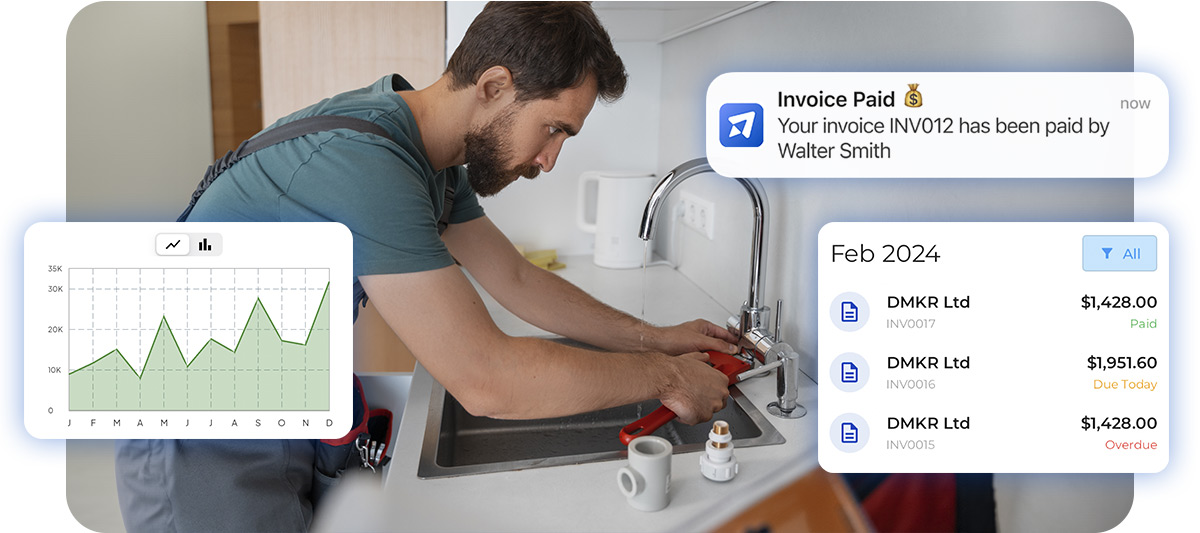
In today’s fast-paced business environment, plumbing management software has emerged as a crucial tool for companies in the plumbing industry. It serves as a comprehensive solution that streamlines various operations, enhancing productivity and efficiency. By automating many everyday tasks, this software allows businesses to focus on their core services while improving customer satisfaction.The primary functions of plumbing management software include scheduling and dispatching, invoicing, customer relationship management, and inventory tracking.
These features not only help in organizing daily tasks but also contribute to better resource management and communication. For instance, software can automate scheduling, ensuring that technicians are dispatched to jobs efficiently, minimizing downtime, and maximizing service delivery.
Streamlining Operations Through Automation
Automation is at the heart of plumbing management software, significantly reducing manual workload and the potential for human error. By leveraging this technology, businesses can experience various benefits that lead to improved operational efficiency. A few examples of how plumbing management software streamlines operations include:
- Real-time Scheduling: The software enables real-time tracking of job schedules, allowing managers to allocate resources effectively and respond to customer requests promptly.
- Automated Invoicing: With automated invoicing systems, businesses can generate and send invoices instantly upon job completion, which accelerates payment cycles and improves cash flow.
- Customer Management: Integrated customer databases allow businesses to store and access customer information easily, facilitating personalized service and better communication.
- Inventory Control: Plumbing management software can track inventory levels, alerting managers when supplies are low and ensuring that technicians have the necessary tools for their jobs without unnecessary delays.
These functionalities not only enhance workflow but also contribute to higher customer satisfaction.
“Efficient management software literally transforms the way plumbing companies operate, allowing them to focus on delivering high-quality service rather than getting bogged down in administrative tasks.”
Integrating plumbing management software with existing business processes is essential for maximizing its benefits. When businesses take the time to ensure seamless integration, they can create a cohesive workflow that enhances communication between departments. For example, connecting the scheduling software with inventory management ensures that when a job is booked, the necessary materials are already accounted for, preventing last-minute scrambling for supplies.By adopting plumbing management software, companies are not just investing in a tool; they are embracing a comprehensive approach to operational excellence that can ultimately lead to sustained growth and success in a competitive industry.
Key Features to Look for in Plumbing Management Software
In the rapidly evolving world of plumbing services, having the right management software can make a significant difference. Effective plumbing management software is designed to streamline operations, enhance communication, and improve customer satisfaction. Identifying the essential features of these tools is critical for any plumbing business aiming for optimal performance and growth.The features of plumbing management software directly impact productivity levels, operational efficiency, and the overall customer experience.
By integrating various functionalities into a single platform, these software solutions facilitate better management of plumbing tasks and resources. Here are key features that are essential for plumbing management software to enhance service delivery and operational efficiency.
Essential Features for Optimal Performance
Investing in plumbing management software means looking for functionalities that cater specifically to the needs of plumbing businesses. The following features are crucial:
- Job Scheduling and Dispatching: Efficient scheduling tools allow businesses to allocate jobs to technicians based on availability, location, and skill set. This minimizes downtime and ensures a quicker response to customer needs.
- Customer Relationship Management (CRM): A built-in CRM feature helps track customer interactions, preferences, and history, enabling personalized service and building long-term relationships.
- Invoicing and Payment Processing: Automated invoicing saves time and reduces errors. Integrated payment processing options provide customers with convenient ways to pay, enhancing satisfaction.
- Inventory Management: Keeping track of supplies and tools is vital in plumbing. Robust inventory management systems prevent stockouts and ensure that technicians have the necessary materials on hand.
- Mobile Access: Mobile compatibility allows technicians to access job details, customer information, and schedules on the go. This accessibility enhances field communication and efficiency.
These features collectively contribute to enhanced productivity by streamlining workflows, reducing administrative burdens, and allowing for better resource management.
Tools and Functionalities that Differentiate Top Software Options
Not all plumbing management software is created equal. Certain tools and functionalities set the top options apart from the rest. Understanding these can help businesses make informed decisions.Some advanced features include:
- Real-Time Tracking: GPS tracking allows businesses to monitor technician locations in real-time. This feature helps in optimizing dispatch and providing accurate ETAs to customers.
- Work Order Management: Streamlining the creation and tracking of work orders ensures that no job goes unaddressed. This feature aids in maintaining service quality and accountability.
- Reporting and Analytics: In-depth reporting capabilities provide insights into performance metrics, helping businesses to identify trends, forecast demands, and make data-driven decisions.
- Customizable Templates: The ability to customize invoices, reports, and communications according to the brand’s identity can enhance professionalism and customer trust.
- Integration Capabilities: Top-tier plumbing management software can integrate with other business tools like accounting software, marketing platforms, and customer service applications for a seamless operational experience.
By leveraging these advanced functionalities, plumbing businesses can significantly enhance their operational effectiveness and ultimately increase customer satisfaction. Each of these elements plays a pivotal role in differentiating the best plumbing management software in a competitive market.
Comparing On-Premise vs. Cloud-Based Plumbing Management Software
In the rapidly evolving realm of plumbing management software, businesses are often faced with the critical decision of choosing between on-premise and cloud-based solutions. Each option comes with its distinct advantages and disadvantages, which can greatly influence operational efficiency, scalability, and overall cost-effectiveness.On-premise plumbing management software is installed locally on a company’s servers and is managed internally. This offers businesses complete control over their data and system.
However, it also requires substantial upfront investment in IT infrastructure, maintenance, and security. Conversely, cloud-based solutions operate over the internet, allowing access from anywhere and often reducing the need for extensive IT support. While they typically have lower initial costs, concerns about data security and reliable internet access can be drawbacks.
Advantages and Disadvantages of On-Premise and Cloud-Based Solutions
Understanding the pros and cons of both options is essential for decision-making. Here are the key points to consider:
- On-Premise Solutions:
- Complete control over data management and security protocols.
- One-time purchase cost can be more economical in the long run.
- Less dependent on internet connectivity for operation.
- Customization options can be tailored to specific business needs.
- Cloud-Based Solutions:
- Lower initial investment and predictable ongoing costs.
- Remote accessibility for employees working from various locations.
- Automatic updates and maintenance handled by the service provider.
- Scalability allows businesses to expand easily without hardware upgrades.
Business Scenarios Favoring Each Option
Different types of plumbing businesses may benefit more from one solution over the other, influenced by their size, operational style, and growth ambitions. Small to Medium-sized Businesses (SMBs) often find cloud-based software advantageous due to its lower initial costs and ease of use. This allows them to allocate resources more efficiently without the burden of managing IT infrastructure. Larger Enterprises may prefer on-premise solutions because of their need for extensive customizations and greater control over sensitive data.
Further details about hr system for small business is accessible to provide you additional insights.
Industries that deal with compliance regulations or have proprietary technology may find on-premise software more aligned with their security protocols.
Impact of Technology Trends on Plumbing Management Software
The landscape of plumbing management software is continuously shaped by emerging technology trends. As businesses increasingly adopt automation, artificial intelligence, and the Internet of Things (IoT), the demand for integrated solutions is rising.
- AI Integration is enhancing decision-making processes, enabling predictive maintenance, and improving customer service through chatbots and automated scheduling.
- IoT Devices are providing real-time data collection from plumbing systems, helping companies respond swiftly to potential issues and streamline operations.
- Data Analytics is becoming central for businesses to interpret customer behavior and optimize service offerings based on empirical evidence.
These trends not only influence how plumbing management software is developed but also how businesses leverage these tools to maintain a competitive edge in the market.
The Impact of Plumbing Management Software on Customer Relationship Management
Plumbing management software plays a crucial role in enhancing customer relationship management (CRM) within the plumbing industry. By streamlining operations and improving communication, businesses can foster stronger relationships with their clients. Enhanced customer service not only leads to higher satisfaction rates but also promotes loyalty and trust.Effective use of plumbing management software can significantly improve customer interactions and satisfaction levels.
One of the primary benefits of such software is its ability to maintain accurate records of customer interactions, service history, and preferences, helping businesses tailor their services to meet specific client needs.
Enhancing Customer Service and Communication
Utilizing plumbing management software features can transform how businesses communicate with their customers. Here are some key methods to enhance customer service through effective software use:
- Scheduling and Dispatching: Automated scheduling capabilities allow customers to book appointments at their convenience. Notifications can be sent out to remind customers of upcoming appointments, thus reducing no-shows and improving overall efficiency.
- Real-Time Updates: Plumbing management software can provide customers with real-time updates regarding the status of their service. This transparency builds trust and reassures clients that their needs are being prioritized.
- Customer Portals: Many software solutions offer customer portals where clients can track their service requests, access invoices, and communicate directly with service providers. This level of accessibility enhances the customer experience significantly.
- Feedback Collection: Post-service feedback tools integrated within the software enable plumbing businesses to gather valuable insights from clients. This feedback can be used to continuously improve service quality and customer satisfaction.
Successful customer relationship strategies facilitated by plumbing management software often focus on personalization and proactive communication. For instance, a plumbing company utilizing its CRM features to send tailored follow-up messages after a service call, along with maintenance tips, can create a lasting impression on the client. Moreover, tracking customer preferences allows businesses to offer personalized promotions or services, strengthening customer loyalty.
A real-life example includes a plumbing service that used its management software to analyze customer data, identifying trends and preferences, which led them to implement a maintenance subscription model. This model not only ensured regular service for clients but also increased the company’s revenue and client retention rates.
Effective CRM strategies often hinge on the ability to anticipate customer needs and deliver personalized solutions.
Best Practices for Implementing Plumbing Management Software
Implementing plumbing management software can be a transformative step for any plumbing business. However, to ensure that this transition is smooth and beneficial, it is essential to follow best practices that can lead to successful implementation and usage. This guide Artikels effective steps to integrate plumbing management software, address common challenges, and optimize training for staff.
Steps for Effective Implementation
A structured approach to implementing plumbing management software is crucial for minimizing disruption and maximizing efficiency. The following steps Artikel a practical implementation strategy:
- Assessment of Needs: Begin by identifying the specific needs of your business. Determine what functionalities the software must have to address your unique challenges.
- Selecting the Right Software: Research various plumbing management software options that align with your business needs. Ensure the selected software has good reviews and proven success in the plumbing industry.
- Data Migration: Prepare for data migration from existing systems. Create a comprehensive plan for transferring customer data, job history, and invoicing details to the new software.
- Integration: Ensure that the new software integrates well with existing tools and systems. This can include accounting software, payroll systems, and customer relationship management (CRM) tools.
- Pilot Testing: Conduct a pilot test of the software with a small group of users. This will help identify any potential issues before a full-scale launch.
- Full Deployment: Once testing is complete, roll out the software to the entire organization. Monitor the transition closely for any operational disruptions.
Common Challenges and Overcoming Strategies
The implementation of plumbing management software can come with several challenges. Being prepared with strategies to tackle these obstacles is vital for a smooth transition.
“Planning for potential challenges can significantly reduce the impact on daily operations.”
Some common challenges include:
- Resistance to Change: Employees may be reluctant to adapt to new technology. To address this, involve staff in the selection process and highlight how the software will benefit their workflow.
- Data Transfer Issues: Data migration can lead to inaccuracies if not managed properly. Develop a clear data management plan and conduct thorough testing after migration.
- Technical Problems: There may be technical issues during the initial setup. Ensure that you have access to robust technical support during and after implementation.
- Training Gaps: Insufficient training can lead to underutilization of the software. Create a comprehensive training program tailored to different user levels.
Training Staff for Maximum Benefits
Training is a fundamental component of successful software implementation. Proper training ensures that staff can fully leverage the capabilities of the plumbing management software.
“Well-trained staff are more likely to embrace new technology and utilize it effectively.”
To maximize benefits from the new software, consider the following training strategies:
- Customized Training Sessions: Offer tailored training sessions that address the specific roles and responsibilities of each employee, ensuring they understand the software’s functionalities relevant to their job.
- Hands-On Practice: Encourage staff to engage in hands-on practice with the software during training. This helps build confidence and familiarity with the platform.
- Continuous Learning Opportunities: Provide ongoing training resources such as webinars, manuals, and video tutorials. This will keep staff updated on new features or best practices.
- Feedback Mechanism: Establish a feedback mechanism where employees can share their experiences and challenges with the software. Use this feedback to improve training and support.
Future Trends in Plumbing Management Software Development

As the plumbing industry evolves, so too does the software that supports it. Emerging technologies are increasingly becoming integral to plumbing management software, driving innovations that improve efficiency and customer satisfaction. Understanding these trends is essential for plumbing businesses looking to remain competitive in a rapidly changing landscape.One significant trend in plumbing management software development is the rise of artificial intelligence (AI) and machine learning.
These technologies are increasingly being utilized to analyze data patterns, predict maintenance needs, and automate scheduling tasks. AI can assist plumbing companies in optimizing their workflows, ensuring that technicians are dispatched efficiently and that customer inquiries are handled promptly.
Integration of Internet of Things (IoT)
The Internet of Things (IoT) is reshaping how plumbing systems are monitored and managed. Devices equipped with smart sensors can provide real-time data on water usage, leaks, and system performance. This integration allows for proactive maintenance, helping plumbing businesses to address issues before they escalate into costly repairs. For instance, consider a smart home equipped with IoT-enabled plumbing fixtures. These fixtures can send alerts to the homeowner about unusual water flow patterns, indicating potential leaks.
In turn, plumbing management software can log these alerts, schedule inspections, and notify technicians, streamlining the service process.
Increased Emphasis on User Experience
User expectations for software usability are evolving, leading developers to prioritize user-friendly interfaces and enhanced customer experiences. Plumbing management software is becoming more intuitive, reducing the learning curve for technicians and administrators alike. This focus on user experience includes:
- Responsive design for mobile devices, allowing users to access features on-site.
- Customizable dashboards that enable users to tailor the interface to their specific needs.
- Integrated communication tools that facilitate real-time updates between technicians and customers.
The shift towards user-centered design ensures that plumbing businesses can efficiently manage operations while providing exceptional service to their clients.
Cloud-Based Solutions and Mobility
Cloud-based plumbing management solutions are increasingly popular, offering flexibility and scalability that on-premise systems often cannot match. These solutions enable plumbing businesses to access their software from anywhere, facilitating remote management and collaboration. The benefits of cloud-based solutions include:
- Real-time updates and data synchronization, ensuring all team members have access to the latest information.
- Reduced IT costs associated with maintenance and upgrades, as the provider manages these aspects.
- Enhanced data security, with cloud providers offering advanced encryption and backup services.
As remote work becomes more commonplace, the demand for cloud-based plumbing management software is expected to grow, influencing how plumbing businesses operate and engage with their customers.
Data-Driven Decision Making
The ability to collect and analyze data is becoming increasingly important in the plumbing industry. Plumbing management software now includes robust analytics features that provide insights into business performance, customer behavior, and operational efficiency. Data-driven decision-making allows businesses to:
- Identify trends in service requests, enabling them to allocate resources more effectively.
- Analyze customer feedback to enhance service quality and customer satisfaction.
- Monitor technician performance, facilitating targeted training and improvement strategies.
By harnessing the power of data analytics, plumbing companies can make informed decisions that enhance their service offerings and drive growth.
Augmented Reality (AR) and Virtual Reality (VR) Applications
The integration of augmented reality (AR) and virtual reality (VR) in plumbing management software is a burgeoning trend. These technologies can be utilized for training, allowing technicians to simulate real-world plumbing scenarios in a controlled environment. Additionally, AR applications can assist technicians in the field by providing overlays of plumbing schematics on physical systems, enabling them to visualize complex installations or repairs.
This hands-on approach enhances learning and improves operational efficiency by equipping technicians with the skills needed to tackle challenges effectively.In conclusion, the future of plumbing management software is poised for significant transformation driven by emerging technologies and evolving user expectations. As businesses adapt to these trends, they will find new opportunities to enhance service delivery, improve efficiency, and foster stronger customer relationships.
Cost Considerations When Choosing Plumbing Management Software
When businesses look to invest in plumbing management software, cost considerations play a pivotal role in the decision-making process. It’s essential to evaluate not just the initial purchase price but also the long-term benefits and potential savings that such software can bring to operations. This segment delves into the various factors influencing costs, assesses the return on investment (ROI), and provides tips for effective budget planning.
Factors Influencing Cost of Plumbing Management Software
Several elements contribute to the overall cost of plumbing management software, and understanding these can help businesses make informed choices. Here are the key factors to consider:
- Software Type: There are generally two types of software: on-premise and cloud-based. On-premise solutions often have higher upfront costs due to hardware and installation, while cloud-based software typically has subscription fees that can add up over time.
- Features and Functionality: The more advanced the features, such as scheduling, invoicing, and customer management, the higher the cost. Businesses should assess which features are necessary for their operations.
- Number of Users: Licensing models usually charge per user. As the size of the workforce increases, so do the costs, making it crucial to evaluate the number of users who will need access to the software.
- Training and Support: Some vendors offer extended training and customer support, which may incur additional costs. Evaluating whether in-house training is sufficient can also impact expenses.
- Customization Needs: Custom-built solutions can lead to higher costs. Businesses should determine if off-the-shelf software meets their needs or if custom features are essential.
Evaluating Return on Investment for Plumbing Management Software
Calculating the return on investment (ROI) for plumbing management software involves analyzing both tangible and intangible benefits. To assess ROI effectively, consider the following:
ROI can be understood through the formula: ROI = (Net Profit from Investment – Cost of Investment) / Cost of Investment x 100.
Businesses should begin by estimating potential savings from streamlined processes, reduced administrative labor, enhanced customer satisfaction leading to repeat business, and improved efficiency. Tracking software-related metrics such as time saved, error reduction in billing, and increased job closure rates will help in quantifying benefits.Additionally, real-world examples illustrate this point effectively. A plumbing company that implemented management software found they could decrease their scheduling time by 30%, which translated into completing more jobs per day.
This not only boosted revenue but also enhanced customer retention due to timely service.
Budget Planning Tips for Software Investments
Proper budget planning is vital to ensure that the investment in plumbing management software aligns with financial capabilities and business goals. Here are practical tips for effective budgeting:
- Conduct a Needs Assessment: Identify the specific needs of the business that the software must address. This helps in avoiding overspending on unnecessary features.
- Research Multiple Vendors: Compare pricing and features across different software providers to find the best value for your budget.
- Consider Total Cost of Ownership: Look beyond the initial cost and factor in ongoing expenses such as maintenance, subscriptions, and potential upgrades.
- Set a Contingency Fund: Allocate extra funds to cover unexpected costs that may arise during implementation or training.
- Review Financial Impact Regularly: After implementation, continually assess the financial impact of the software to ensure it meets ROI expectations. Adjust budgets accordingly based on performance metrics.
Last Word
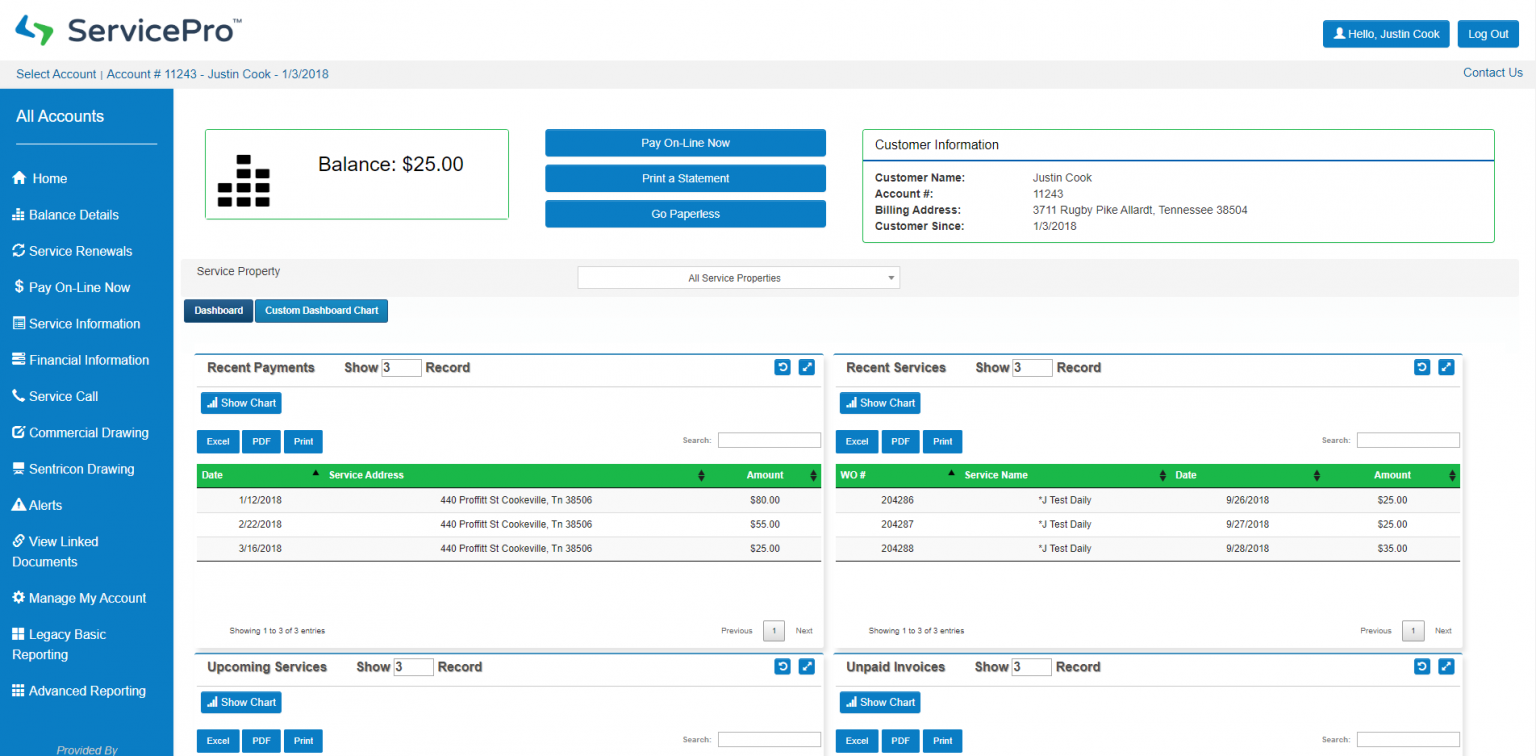
In conclusion, plumbing management software is more than just a tool; it’s a game-changer for businesses aiming to enhance their operational efficiency and customer engagement. As technology continues to evolve, adopting such software not only prepares plumbing companies for the future but also ensures they remain relevant and competitive. By understanding its features, benefits, and best practices for implementation, businesses can set themselves up for success in an ever-changing industry.
FAQ Overview
What is plumbing management software?
Plumbing management software is a digital solution designed to help plumbing businesses streamline operations, manage schedules, and enhance customer relationships.
How does plumbing management software improve efficiency?
It automates tasks such as scheduling, invoicing, and communication, reducing manual work and allowing businesses to focus on service delivery.
Can plumbing management software be integrated with other tools?
Yes, many plumbing management software options can integrate with accounting and customer relationship management tools to create a cohesive workflow.
What are the costs associated with plumbing management software?
Costs can vary widely based on features, subscriptions, and whether the software is cloud-based or on-premise, making it essential to evaluate your needs.
Is training necessary for using plumbing management software?
Yes, proper training is crucial to maximize the benefits of the software and ensure staff can effectively use its features.
