business payroll software is revolutionizing the way companies manage their payroll processes, making it a vital tool for businesses of all sizes. With the increasing complexity of tax regulations and employee compensation structures, having a reliable payroll system is no longer a luxury; it’s a necessity. This software not only streamlines payroll processing but also ensures compliance with labor laws, ultimately enhancing operational efficiency and employee satisfaction.
As organizations strive to maintain accuracy while reducing manual errors, business payroll software emerges as a beacon of innovation, equipped with features that automate calculations and mitigate legal risks. From small enterprises to larger corporations, leveraging such technology can lead to significant time savings and improved trust among employees. Let’s dive deeper into the core functionalities and benefits of this essential tool.
Understanding the Core Features of Business Payroll Software
Business payroll software has become an essential tool for organizations of all sizes, streamlining the complex and often tedious task of managing employee compensation. By utilizing effective payroll software, businesses can ensure accurate and timely payments to their employees while staying compliant with legal regulations. The core features of these systems cater to various payroll processes, including calculations, tax management, and reporting, significantly easing the burden on human resources teams.One of the most critical functionalities of business payroll software is its ability to automate calculations.
This process eliminates the potential for human error, which is crucial in payroll management. Automated calculations encompass a variety of elements, such as gross wages, deductions, bonuses, and overtime pay. For instance, if an employee earns an hourly wage of $20 and works 45 hours in a week, the software can automate the calculation of their pay, including standard hours and overtime rates.
This not only saves time but also ensures accuracy, allowing HR professionals to focus on strategic tasks rather than manual calculations.
Tax Compliance Features, Business payroll software
Tax compliance features are vital components of payroll software, significantly minimizing legal risks associated with payroll processing. These features help businesses adhere to tax regulations by calculating, withholding, and reporting taxes accurately. Proper management of payroll taxes is paramount, as failure to comply can lead to substantial fines and penalties.The significance of tax compliance features can be Artikeld through several key functions:
- Automatic Tax Calculations: Payroll software automatically calculates federal, state, and local taxes based on the latest tax regulations, ensuring that businesses withhold the correct amounts from employee wages.
- Reporting Capabilities: The software generates timely and accurate payroll tax reports, simplifying the filing process with tax authorities and reducing the risk of errors.
- Updates on Tax Regulations: Reliable payroll software providers frequently update their systems to reflect changes in tax laws, ensuring compliance without requiring businesses to monitor legislative updates themselves.
- Withholding Management: The software allows businesses to manage employee tax withholding forms, such as W-4s, efficiently, ensuring proper documentation is maintained.
By incorporating these tax compliance features, businesses can not only streamline their payroll processes but also safeguard themselves against potential legal issues, fostering a more efficient and secure work environment.
The Benefits of Implementing Business Payroll Software in Small Enterprises

Implementing business payroll software can be a transformative step for small enterprises, enhancing operational efficiency and streamlining processes. By automating payroll tasks, businesses can reduce manual workload, minimize errors, and ultimately improve the management of their employee compensation and benefits.One of the primary advantages of payroll software is its ability to enhance operational efficiency. In small businesses, where resources may be limited, time is often spent on repetitive administrative tasks.
Payroll software automates these tasks, enabling business owners and HR personnel to focus on strategic activities. For instance, software can automatically calculate wages, deductions, and taxes, eliminating the need for manual calculations that can be prone to errors. Additionally, payroll software can generate accurate pay stubs and tax forms, ensuring compliance with federal and state regulations. The integration of payroll systems with other HR functions, such as time tracking and employee management, creates a seamless workflow that enhances productivity across operations.
Cost Savings Associated with Reducing Errors and Manual Processing
Reducing errors in payroll processing has significant cost-saving implications for small enterprises. Manual payroll processing often leads to inaccuracies that can result in overpayments, underpayments, and costly fines due to non-compliance with tax regulations. By utilizing payroll software, businesses can minimize these risks. Key financial benefits include:
- Accuracy in Payments: Automated calculations reduce the likelihood of errors, ensuring employees are paid accurately and on time.
- Reduced Labor Costs: Payroll automation means fewer hours spent on payroll processing, allowing staff to focus on more valuable tasks.
- Lower Compliance Costs: Payroll software often includes updates for tax laws, helping businesses avoid costly penalties for non-compliance.
The impact of these cost savings can be significant. For example, a small business that previously spent eight hours a month on payroll processing could cut this down to just two hours with software assistance, translating into substantial hourly savings.
Improvement in Employee Satisfaction and Retention
Employee satisfaction plays a crucial role in retention rates, and efficient payroll processing contributes directly to this aspect. When employees receive accurate and timely payments, their trust in the organization increases. Payroll software enhances this experience through features like direct deposit and easy access to pay information. Employees appreciate transparency, and payroll software often includes self-service portals where they can view their payroll history, download pay stubs, and manage their tax information.
This empowerment fosters a positive work environment. A case study of a small tech firm illustrates this point. After implementing payroll software, the company reported a 20% increase in employee satisfaction scores related to payroll-related queries. Employees felt more informed and valued, leading to lower turnover rates and a more engaged workforce.Overall, the implementation of payroll software in small enterprises not only simplifies payroll management but also drives operational efficiency, cost savings, and employee satisfaction.
These enhancements can contribute to a stronger organizational culture and better financial performance.
A Comparative Analysis of Leading Payroll Software Solutions Available in the Market
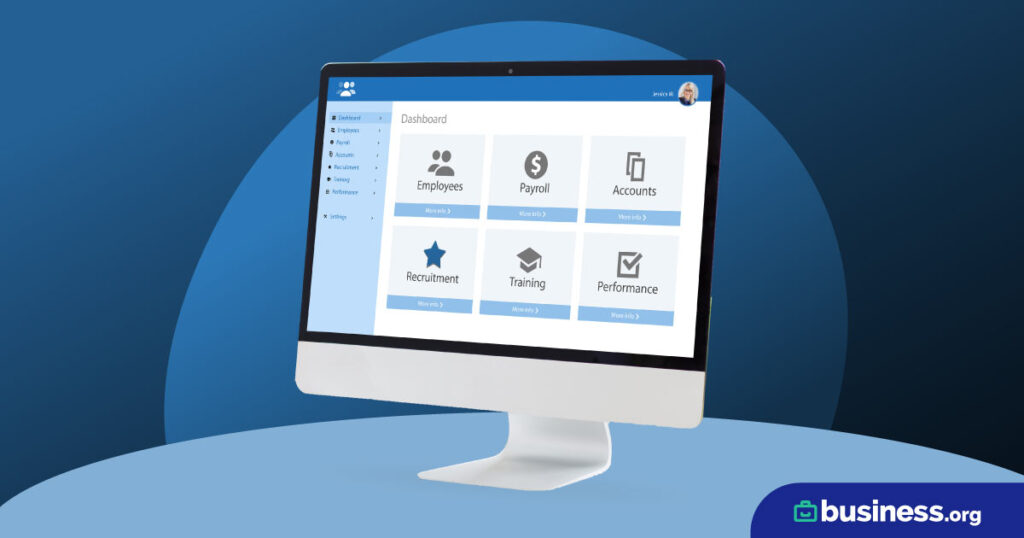
When selecting payroll software, it’s important to explore various options available in the market to find the right fit for your business. Each software comes with its unique features, pricing structures, and user experiences. This analysis will provide a comparative overview of some leading payroll solutions, helping you make informed decisions based on essential criteria such as features, pricing, and user reviews.
Comparison of Payroll Software Solutions
To facilitate your evaluation, the following table compares four popular payroll software options currently available. This includes key aspects such as pricing, features, and user ratings that can greatly influence your choice.
| Payroll Software | Pricing | Features | User Reviews |
|---|---|---|---|
| Gusto | Starting at $39/month + $6 per employee | Full-service payroll, employee self-service, tax compliance, benefits management | 4.8/5 – Users appreciate the user-friendly interface and comprehensive features. |
| QuickBooks Payroll | Starting at $45/month + $4 per employee | Payroll processing, time tracking, tax calculations, direct deposit | 4.5/5 – Known for integration with QuickBooks accounting software, but some find it complex to navigate. |
| ADP Workforce Now | Custom pricing (typically higher) | Advanced payroll features, compliance tracking, HR tools, mobile access | 4.3/5 – Praised for its robust features but criticized for high costs and customer support. |
| Paychex Flex | Starting at $60/month | Payroll, HR management, employee onboarding, tax services | 4.6/5 – Users like the extensive support options, although some mention pricing can be confusing. |
User Interface and Experience Considerations
The user interface (UI) and user experience (UX) of payroll software can significantly impact the efficiency of your payroll processing. An intuitive UI allows users to navigate easily, reducing the learning curve and minimizing errors. Features such as customizable dashboards, easy access to reports, and straightforward navigation help users complete tasks quickly and efficiently. Consider user feedback regarding UI/UX when evaluating options.
Software that may have advanced features but a complicated interface can lead to frustration, hindering productivity. Always prioritize solutions that offer a favorable balance of functionality and ease of use, ensuring that your team can adapt to the software smoothly.
Evaluating Customer Support and Service Reliability
Reliable customer support is crucial when selecting payroll software. Businesses can face various issues or queries that need prompt solutions, making accessible support a vital feature. When evaluating payroll software, consider the following:
- Availability of support channels: Check if the software offers multiple ways to reach support, such as phone, email, and live chat.
- Response time: Research average response times reported by users to gauge how quickly support can address your concerns.
- Quality of service: Look for reviews that highlight user experiences regarding support effectiveness and the helpfulness of representatives.
- Online resources: Consider whether the provider offers resources such as knowledge bases, FAQs, and tutorials to assist users in troubleshooting common issues.
Incorporating these factors into your decision-making process will lead you to a payroll software solution that not only meets your business needs but also provides reliable support when required.
Implementing Payroll Software
Transitioning to a new payroll system can be a significant step for any business, ensuring efficiency and accuracy in managing employee compensation. A successful implementation requires careful planning, attention to detail, and involvement from various stakeholders within the organization. This guide Artikels the necessary steps for a smooth transition while addressing common challenges and effective training methods for employees.
Step-by-Step Implementation Guide
Implementing payroll software involves a systematic approach that can minimize disruptions and streamline processes. The following steps provide a comprehensive roadmap for businesses:
- Assess Business Needs: Evaluate specific payroll requirements, such as employee count, payroll frequency, and integration with existing systems. Understanding these needs will guide the selection of the right software.
- Select Software: Research and compare various payroll software solutions that align with your business needs. Consider factors like scalability, features, and user reviews.
- Plan the Transition: Create a detailed project plan that Artikels timelines, responsibilities, and resources required for the implementation. Involve stakeholders from HR, finance, and IT to ensure a collaborative approach.
- Data Migration: Prepare for the transfer of employee data, including personal information, tax details, and payment histories. This crucial step must be executed with care to avoid data loss or inaccuracies.
- Configuration and Customization: Configure the software settings to match your business policies and payroll practices. Customization may include setting up pay schedules, tax rates, and benefits.
- Testing: Conduct a series of tests to validate the functionality of the software. This should include running payroll simulations to check for errors and ensuring that reports generate correctly.
- Go Live: Once testing is complete and issues are resolved, launch the payroll software. Monitor the first few payroll cycles closely to quickly address any unforeseen issues.
- Gather Feedback: After implementation, solicit feedback from users to identify areas for improvement. Continuous improvement ensures the system remains effective and user-friendly.
Challenges and Solutions During Transition
Adopting new payroll software may come with its set of challenges. Recognizing these potential hurdles can help organizations develop strategies to overcome them.
“Anticipating challenges during a transition allows for proactive solutions, reducing downtime and confusion.”
Common challenges include:
- Employee Resistance: Employees may be apprehensive about using new software. To ease this transition, involve them early in the process and communicate the benefits of the new system.
- Data Entry Errors: Mistakes during data migration can lead to payroll discrepancies. Implement a thorough review process and consider using automated migration tools to reduce human error.
- Insufficient Support: Lack of support from IT or payroll professionals can hinder effective implementation. Ensure dedicated support personnel are available and establish clear communication channels for assistance.
- Compliance Issues: Keeping up with tax laws and regulations is crucial. Select software that provides regular updates on legal requirements to ensure compliance remains a priority.
Training Employees on the New System
Effective training is vital for maximizing the potential of new payroll software. When employees understand the system, they are better equipped to utilize its features fully, ensuring a smoother payroll process.
“Investing in employee training pays off in efficiency and accuracy.”
You also can understand valuable knowledge by exploring hris small business.
Consider the following tips for effective training:
- Hands-on Workshops: Organize interactive sessions where employees can practice using the software in real-time scenarios. This fosters comfort and confidence in the new system.
- User Manuals and Resources: Provide comprehensive guides and resources that employees can reference as they navigate the software. Accessible materials enhance their learning experience.
- Continuous Support: Establish a support system post-training, encouraging employees to ask questions and seek help as they adapt to the new software.
- Encourage Peer Learning: Create opportunities for more experienced users to share tips and tricks with their colleagues. Peer support can enhance understanding and foster teamwork.
Security Considerations for Business Payroll Software
Data security is paramount in the realm of payroll software, as it directly influences employee trust and overall organizational integrity. Payroll systems manage sensitive information, including social security numbers, bank account details, and salary data. A breach can not only lead to financial loss but also damage the reputation of the business. Ensuring robust security measures are in place is essential for maintaining confidentiality and fostering trust among employees.One of the prime responsibilities of businesses utilizing payroll software is the protection of payroll data against cyber threats.
As cyberattacks become increasingly sophisticated, companies must implement strategies to safeguard their data. This involves understanding the types of potential threats and incorporating best practices for data protection.
Best Practices for Protecting Payroll Data
Maintaining strong security for payroll data requires a multi-faceted approach. Here are several best practices to ensure that sensitive information remains secure:
- Data Encryption: Implement encryption protocols for data stored in the system and during transmission. This ensures that even if data is intercepted, it remains unreadable without the appropriate decryption key.
- Access Control: Limit access to payroll software to only those employees who require it for their roles. Use role-based permissions to establish clear access rights.
- Regular Software Updates: Keep payroll software up to date with the latest security patches and updates. This helps protect against vulnerabilities that could be exploited by hackers.
- Strong Password Policies: Enforce strong password requirements and encourage employees to change their passwords regularly. Consider implementing two-factor authentication for an added layer of security.
- Employee Training: Educate employees about cybersecurity best practices, including recognizing phishing attempts and the importance of protecting sensitive information.
Performing Regular Security Audits
Conducting regular security audits is crucial for identifying vulnerabilities in payroll software and ensuring compliance with security policies. These audits help organizations assess the effectiveness of their security measures and make necessary adjustments.To perform an effective security audit, businesses should:
- Review Access Logs: Regularly analyze access logs to identify any unauthorized access attempts or unusual activity within the payroll system.
- Conduct Vulnerability Assessments: Use automated tools to scan for vulnerabilities in the payroll software. Address discovered vulnerabilities promptly.
- Engage Third-party Security Firms: Consider hiring external cybersecurity firms to conduct independent audits. They can provide objective insights and recommendations for improving security measures.
- Policy Compliance Check: Ensure that all personnel are adhering to established security policies and procedures. Address any gaps in compliance to strengthen the overall security posture.
- Backup Data Regularly: Implement a regular backup schedule for payroll data to safeguard against data loss due to security incidents or system failures.
“A proactive approach to security not only protects sensitive payroll data but also reinforces employee trust and confidence in the organization.”
The Future of Payroll Software

As businesses continue to evolve in an increasingly digital landscape, payroll software is undergoing a transformative shift. Emerging technologies are redefining how companies manage payroll processing, making it more efficient, accurate, and user-friendly. This section explores key trends shaping the future of payroll software, focusing on the influence of artificial intelligence (AI), machine learning (ML), and the growing demand for solutions tailored for remote work environments.
Emerging Technologies in Payroll Processing
The integration of emerging technologies into payroll software is revolutionizing traditional payroll practices. A few notable trends include:
Cloud Computing
The shift to cloud-based payroll solutions allows businesses to access payroll information from anywhere, facilitating real-time updates and collaboration. This flexibility is critical for companies operating in various geographical locations.
Blockchain
This technology ensures enhanced security and transparency in payroll transactions. By utilizing blockchain, organizations can maintain immutable records of payroll activities, reducing the likelihood of fraud and errors.
Mobile Applications
The rise of mobile apps enables employees to access their payroll information on-the-go. This includes viewing pay stubs, requesting leave, and tracking hours, which enhances employee engagement and satisfaction.
Data Analytics
Advanced data analytics tools embedded in payroll software provide insights into payroll trends, employee turnover, and labor costs, allowing businesses to make informed decisions based on real-time data.The combination of these technologies leads to a more streamlined payroll process, saving time and resources for organizations.
Impact of Artificial Intelligence and Machine Learning
AI and ML are at the forefront of payroll automation, significantly enhancing the efficiency and accuracy of payroll systems. These technologies offer several advantages:
Automation of Repetitive Tasks
AI can automate routine payroll processes, such as calculations, tax deductions, and compliance checks. This reduces manual input, minimizes errors, and frees up HR professionals to focus on strategic tasks.
Predictive Analysis
Machine learning algorithms can analyze historical payroll data to predict future trends, helping businesses anticipate payroll needs and budget accordingly. For example, if an organization experiences seasonal fluctuations in staffing, ML can provide insights on optimal staffing levels.
Learning from Data
AI systems improve over time by learning from previous inputs and outcomes, which enhances their decision-making capabilities. For instance, if payroll discrepancies are detected, the system can recognize patterns and alert HR to potential issues before they escalate.According to a recent study, businesses that implement AI-driven payroll solutions can reduce payroll processing time by up to 50%, showcasing the substantial efficiency gains available.
Influence of Remote Work on Payroll Software Development
The shift towards remote work has profound implications for payroll software development. With companies embracing flexible work arrangements, payroll solutions must adapt to meet the unique needs of remote employees. Key considerations include:
Geographic Variability
Payroll software must be able to accommodate different tax regulations and compliance requirements based on employees’ locations. This necessitates the incorporation of robust geographic capabilities to handle payroll for a distributed workforce.
Employee Self-Service Portals
As remote work becomes the norm, employees prefer managing their own payroll-related tasks. Modern payroll software is now equipped with self-service features, allowing employees to update personal information, access pay stubs, and submit time-off requests independently.
Integration with Remote Work Tools
Payroll systems are increasingly integrating with other remote work applications, such as project management and communication tools. This ensures seamless data flow and enhances the overall employee experience.The future of payroll software is bright, driven by innovation and changing work dynamics. As these trends continue to unfold, businesses must stay informed and adapt to leverage the full potential of payroll automation technologies.
Customizing Payroll Software to Meet Unique Business Needs: Business Payroll Software
In today’s diverse business landscape, one size does not fit all, especially when it comes to payroll software. Customization is a vital aspect that allows businesses to align payroll functionalities with their specific operational requirements. Tailoring payroll solutions can significantly enhance efficiency, compliance, and employee satisfaction, leading to a more productive workplace.Customizing payroll software involves modifying its features and functionalities to cater to the unique needs of a business.
This can range from altering user interfaces to integrating specific compliance requirements and adjusting reporting capabilities. An effective payroll system should adapt to different work environments, whether it be a small business, a large corporation, or a specialized industry.
Industries Requiring Specialized Payroll Features
Different industries have distinct payroll requirements that necessitate specialized software features. Here are some examples of sectors where tailored payroll solutions can make a significant impact:
- Healthcare: Healthcare organizations often need to manage complex pay structures, including bonuses for overtime, on-call duty pay, and various shift differentials. Features like compliance tracking for labor laws related to healthcare are also critical.
- Construction: The construction industry frequently deals with various pay rates based on project types and locations. Payroll systems must accommodate union regulations, benefits, and seasonal variations in workforce size, making customization essential.
- Hospitality: In the hospitality sector, payroll software must account for tips, variable hours, and multiple pay rates for employees working in different roles. Additionally, tracking employee benefits and compliance with labor laws is crucial.
- Retail: Retail businesses require flexible scheduling and payroll systems that can handle commission structures for sales personnel. Custom features for managing seasonal hiring and vacation pay are also beneficial.
- Non-Profit Organizations: Non-profits often need payroll solutions that can track grant-funded positions and manage volunteer hours, requiring customization to fit their unique operational models.
Selecting payroll software with robust customization options is paramount. Flexibility in software functionalities allows businesses to adapt to changing needs, regulatory requirements, and industry standards. Companies should seek solutions that enable easy configuration of pay rates, reporting formats, and integration with other business systems. This adaptability ensures that the payroll system remains effective and relevant as the business evolves over time.
“The ability to customize payroll software can lead to improved accuracy, compliance, and employee morale, making it a crucial factor in software selection.”
The Role of Payroll Software in Compliance with Labor Laws
Navigating the maze of labor laws can be daunting for businesses, especially small enterprises with limited resources. Payroll software serves as a crucial ally in ensuring compliance with local, state, and federal regulations. By automating processes and maintaining accurate records, payroll systems help mitigate risks associated with non-compliance, which can lead to hefty fines and legal issues.A comprehensive payroll software solution should encompass several features designed to uphold labor law compliance.
These features include automated tax calculations, employee classification tools, and integrated time tracking. Additionally, the software should have the ability to generate necessary reports for regulatory authorities while ensuring that updates are applied promptly to reflect changes in laws.
Features for Compliance with Labor Laws
Implementing payroll software with specific compliance features is essential for maintaining adherence to labor laws. Here are some key functionalities that should be included:
- Automated Tax Calculations: Ensures accurate withholding and remittance of federal, state, and local taxes.
- Real-time Compliance Updates: Regularly updates the software to reflect changes in labor laws and tax regulations.
- Employee Classification: Helps correctly classify employees as exempt or non-exempt to comply with wage and hour laws.
- Time and Attendance Tracking: Integrates systems to ensure employee hours are accurately recorded and compliant with overtime regulations.
- Reporting Features: Generates necessary compliance reports, such as wage statements and tax documents, for regulatory bodies.
Without payroll software, businesses often face significant compliance challenges. Common issues include miscalculating payroll taxes, failing to pay overtime, and improper employee classification. These mistakes can lead to costly penalties and damage to the company’s reputation. For instance, the Department of Labor may impose fines ranging from hundreds to thousands of dollars for violations related to wage and hour laws.Regular updates to payroll systems are vital for ensuring ongoing compliance.
As labor laws frequently change, payroll software that includes automatic updates allows businesses to adapt quickly without needing to manually adjust their processes. This capability not only reduces the risk of errors but also ensures that companies remain informed about their legal obligations. For example, recent updates to federal tax laws requiring different withholding rates can be seamlessly integrated into payroll systems, minimizing the risk of non-compliance.In conclusion, the role of payroll software in compliance with labor laws cannot be overstated.
By equipping businesses with the necessary tools to navigate the complexities of labor regulations, payroll software mitigates risk and fosters a compliant work environment.
Epilogue
In conclusion, business payroll software stands out as an indispensable asset for any organization looking to enhance its payroll management practices. By automating complex processes and ensuring compliance with ever-changing regulations, these systems not only save time and reduce errors but also contribute to higher employee satisfaction and retention. As we look toward the future, it’s clear that the ongoing advancements in payroll technology will continue to shape the way businesses operate, making adaptability and customization key factors in their selection.
Query Resolution
What is business payroll software?
Business payroll software is a digital solution that automates the process of calculating employee wages, managing taxes, and ensuring compliance with labor laws.
How does payroll software save time?
By automating calculations and processes, payroll software significantly reduces the time spent on manual payroll tasks, allowing HR teams to focus on more strategic activities.
Can payroll software help with tax compliance?
Yes, most payroll software includes features that automatically update tax rates and regulations, helping businesses remain compliant and avoid penalties.
Is payroll software suitable for small businesses?
Absolutely! Payroll software is particularly beneficial for small businesses by simplifying payroll management and reducing the likelihood of errors.
What should I consider when choosing payroll software?
Factors to consider include the software’s features, user interface, customer support, pricing, and how well it can scale with your business needs.
