Best software for human resource management is essential for organizations looking to streamline their HR processes and enhance overall productivity. In a world where efficiency is key, HR software provides invaluable tools that help manage employee data, recruitment, payroll, and performance tracking all in one place. This integration not only simplifies administrative tasks but also fosters better communication and engagement within the workforce, ultimately contributing to the success of modern businesses.
With the rapid evolution of technology, the importance of effective HR management cannot be overstated. Organizations face numerous challenges, from hiring the right talent to ensuring compliance with labor laws. The right HR software can address these issues by providing analytics and reporting features that support strategic decision-making. Moreover, as remote work becomes more prevalent, HR software solutions have adapted to facilitate team collaboration, making it a crucial component of contemporary workforce management.
The importance of human resource management software in modern organizations
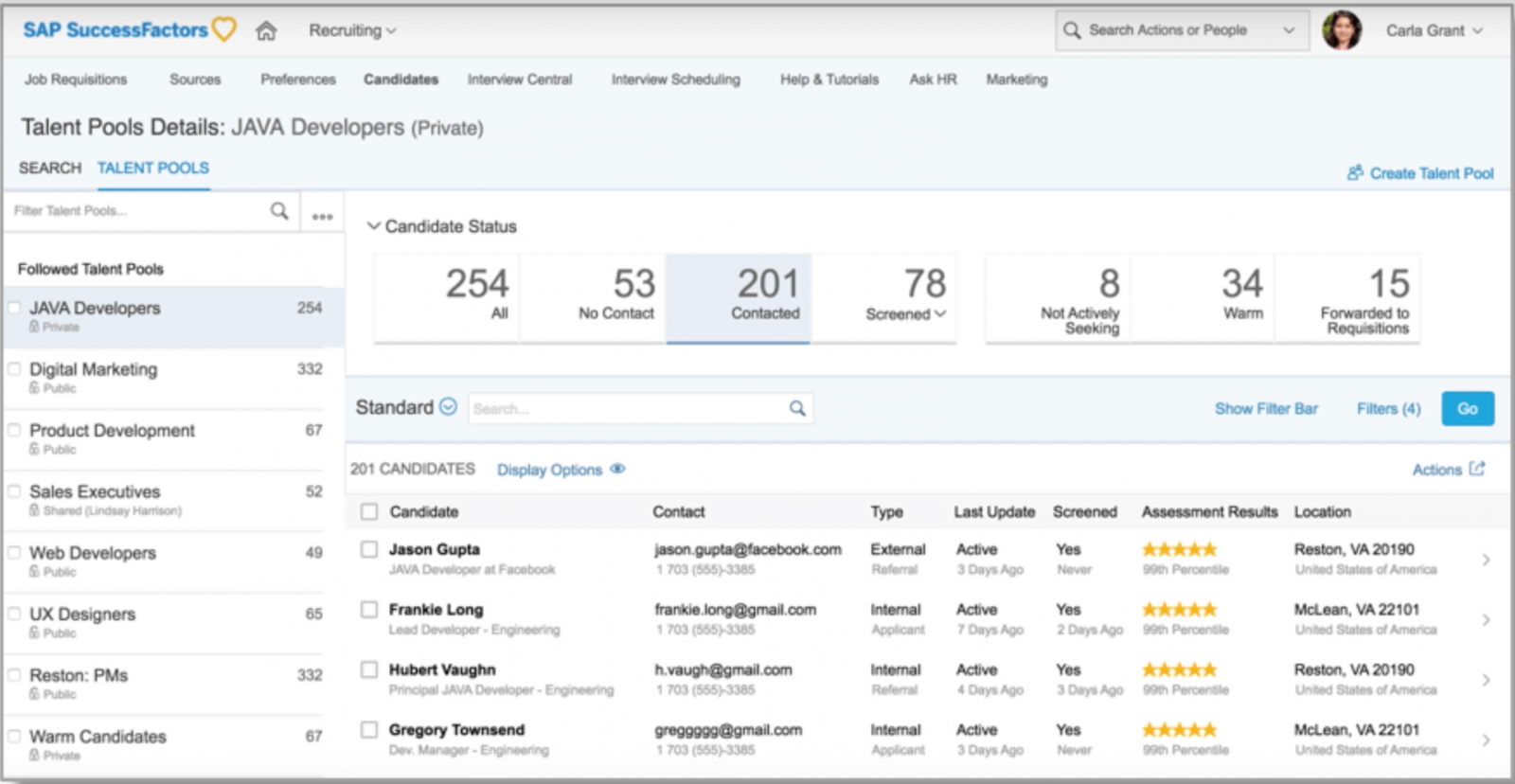
In today’s fast-paced business environment, effective human resource management (HRM) is critical for organizational success. HR software plays an essential role in streamlining processes, ensuring compliance, and enhancing employee engagement. By automating routine tasks, HR software allows HR professionals to focus on strategic initiatives that drive growth and improve company culture. This shift not only enhances efficiency but also contributes to a more productive workforce.HR software significantly enhances efficiency and productivity by automating a variety of manual processes that typically consume valuable time and resources.
Tasks such as payroll processing, employee record management, and benefits administration can be managed more effectively through streamlined software solutions. For instance, automated payroll systems reduce errors and ensure timely payments, while self-service portals empower employees to manage their information independently, freeing HR teams to concentrate on more strategic functions.
Primary functions of HR software that impact organizational growth
The impact of HR software on organizational growth can be observed through several primary functions that facilitate smoother operations and better employee experiences. These functions include:
- Recruitment and Onboarding: HR software simplifies the recruitment process by enabling automated job postings, applicant tracking, and interview scheduling. This leads to faster hiring times and improved candidate experiences, ensuring that organizations attract top talent.
- Performance Management: With integrated performance management tools, HR software allows organizations to set clear goals, conduct regular evaluations, and provide feedback, fostering a culture of continuous improvement and accountability.
- Employee Engagement: Many HR platforms feature tools for employee surveys and feedback collection, making it easier to gauge employee satisfaction and address concerns proactively. This contributes to higher retention rates and a more motivated workforce.
- Compliance Management: Ensuring compliance with labor laws and regulations is paramount for any organization. HR software assists in tracking compliance-related tasks, reducing the risk of penalties and legal issues.
HR software also addresses specific challenges faced by organizations. For example, managing workforce diversity can be complex, but HR tools can help analyze demographics and ensure equitable hiring practices. Additionally, as remote work becomes more prevalent, software solutions facilitate communication and collaboration among distributed teams, ensuring that all employees remain engaged and productive, regardless of location. Overall, the implementation of HR software is not just a technological upgrade; it is an integral part of strategic planning that empowers organizations to thrive in a competitive landscape.
Key features to look for in the best human resource management software
Choosing the right human resource management (HRM) software can significantly enhance the efficiency and effectiveness of HR practices in any organization. With a plethora of options available in the market, it’s crucial to identify the key features that can drive streamlined operations and improve the employee experience. Below are some essential features that HR software should possess for optimal performance.One of the most important aspects of HR software is its ability to centralize and manage employee data effectively.
This includes not only personal information but also performance metrics, payroll details, and benefits enrollment. With streamlined data access, HR teams can make informed decisions and ensure compliance with regulations. Here are five key features to consider when looking for the best HRM software:
Essential features of HRM software
The best HRM software solutions include functionalities that enhance various HR processes. The following features are vital for efficient human resource management:
- Employee Self-Service Portal: This feature allows employees to manage their personal information, benefits enrollment, and time-off requests, reducing the administrative burden on HR teams. It enhances employee engagement by providing direct control over their data.
- Recruitment Management: A robust recruitment module streamlines the hiring process by facilitating job postings, applicant tracking, and interview scheduling. This ensures that organizations attract and select the best talent efficiently.
- Performance Management: This feature encompasses tools for setting performance goals, conducting reviews, and providing real-time feedback. It helps align individual performance with organizational objectives and fosters a culture of continuous improvement.
- Payroll Management: Comprehensive payroll functionalities automate calculations, tax deductions, and compliance with labor laws. This reduces errors and ensures timely and accurate payroll processing.
- Reporting and Analytics: Advanced reporting capabilities provide insights into employee performance, turnover rates, and workforce demographics. This data-driven approach enables strategic decision-making and helps identify areas for improvement.
These features contribute to effective HR practices by automating routine tasks, enhancing communication, and providing valuable insights that can lead to more strategic initiatives. For instance, the implementation of a recruitment management system has been shown to reduce time-to-hire by up to 25%, which can have a direct impact on an organization’s bottom line.When comparing HR software options based on these functionalities, organizations should consider how well each solution integrates these features into a cohesive platform.
For example, some software may offer an exceptional self-service portal but lack comprehensive performance management tools, while others may excel in analytics but fall short in recruitment capabilities.
“The right HR software can transform your HR department from a cost center to a strategic partner in driving business success.”
Understanding how different software solutions align with these key features will enable organizations to select the best fit for their unique needs and goals.
Popular human resource management software options and their unique offerings: Best Software For Human Resource Management
In today’s competitive landscape, selecting the right human resource management software is essential for optimizing workforce management. Various platforms cater to distinct business sizes and needs, ensuring that organizations can find the most suitable solution. Below are three popular HR software options that stand out in the market due to their unique offerings and capabilities.
Overview of Popular HR Software Platforms
Each HR software platform has its unique features that cater to different organizational requirements. Here’s a closer look at three of the leading solutions:
- Workday:
Workday is renowned for its comprehensive enterprise-level solutions that focus on finance, human capital management, and analytics. Its user-friendly interface and robust reporting capabilities make it particularly appealing for large organizations. Workday helps businesses streamline their HR processes through its focus on data-driven decision-making and real-time insights. - BambooHR:
BambooHR is designed primarily for small to medium-sized businesses, offering an intuitive platform that simplifies core HR functions such as employee tracking, benefits management, and performance management. Its standout feature is the employee self-service portal, which empowers employees to manage their own information, thus reducing administrative burdens on HR teams. - ADP Workforce Now:
ADP Workforce Now is a versatile HR platform that scales well with organizations of various sizes. It is particularly known for its payroll management capabilities, making it a top choice for companies focused on efficient payroll processing. Additionally, ADP offers a suite of services for time tracking, benefits administration, and compliance, ensuring a comprehensive HR management solution.
Comparison of Pricing Models
The pricing structures for HR software can vary significantly based on features and the scale of the organization. Below is a comparative table showcasing the pricing models for the mentioned software solutions:
| HR Software | Pricing Model | Starting Price per Month | Target Business Size |
|---|---|---|---|
| Workday | Custom pricing based on modules and user count | Contact for pricing | Large enterprises |
| BambooHR | Subscription-based, per employee per month | Starting at $6 per employee | Small to medium-sized businesses |
| ADP Workforce Now | Tiered pricing based on employee count and features | Starting at $62 per month plus $4 per employee | Small to large businesses |
The role of user experience in selecting HR management software
In today’s digital landscape, user experience (UX) plays a pivotal role in the selection of Human Resource Management (HRM) software. A well-designed user interface (UI) not only enhances usability but also significantly impacts overall employee engagement and satisfaction. When organizations prioritize a seamless UX, they lay the groundwork for higher adoption rates and improved productivity among their workforce.The significance of user experience cannot be overstated, as it directly correlates with how effectively employees can navigate the software.
If the HR management platform is intuitive and user-friendly, employees are more likely to embrace it, leading to smoother interactions and processes. Conversely, a clunky interface can frustrate users and discourage them from utilizing the system to its full potential, which ultimately hampers the effectiveness of HR operations.
Importance of User Interface and User Experience
An effective user interface and experience are crucial for several reasons:
- Increased Adoption Rates: A software solution with an intuitive UI encourages employees to adopt it quickly. When users can easily find what they need and navigate the features without confusion, they are more likely to integrate the tool into their daily routines.
- Enhanced Employee Satisfaction: Positive user experience leads to higher employee satisfaction levels. When HR management software is easy to use, employees tend to feel more empowered and competent, improving overall morale.
- Reduced Training Time: A user-friendly interface minimizes the need for extensive training sessions. Organizations can save time and resources by enabling employees to learn the system more quickly on their own.
- Efficiency Gains: Software that is designed for optimal UX helps streamline processes, allowing employees to complete tasks more efficiently. This can lead to significant time savings in areas such as onboarding, payroll processing, and performance tracking.
“A seamless user experience is not just a nice-to-have; it’s a necessity for effective HR management.”
Assessing Software Usability
To ensure that HR management software meets usability standards, organizations can employ various tools and methodologies. Here are some effective approaches:
- User Testing: Conducting user testing sessions can provide valuable insights into how actual users interact with the software. Observing users as they perform tasks allows organizations to identify pain points and make necessary adjustments.
- Usability Metrics: Utilizing metrics such as task completion rates, error rates, and time on task can quantify the effectiveness of the software’s interface. These metrics help determine areas for improvement.
- Surveys and Feedback: Collecting feedback from employees through surveys can highlight their experiences with the software. Analyzing this data helps organizations understand the strengths and weaknesses of the platform.
- Heuristic Evaluation: This method involves usability experts evaluating the software against recognized usability principles. It can uncover issues that may not be immediately apparent to regular users.
Integrating solid user experience principles in HR management software selection not only enhances functionality but also fosters an environment where employees feel valued and capable, ultimately driving organizational success.
Implementation strategies for successful HR software adoption
Effective implementation of HR software is crucial for maximizing its benefits within an organization. A well-executed strategy ensures that the software meets the needs of the business and its employees while minimizing disruptions to daily operations. Taking the time to plan and organize the implementation process can lead to greater efficiency, enhanced user satisfaction, and overall success in leveraging HR software.The implementation process for HR software involves several critical stages that must be followed to achieve optimal results.
Each phase requires careful consideration and planning to avoid common pitfalls that can derail the project.
Step-by-step guide for effective implementation, Best software for human resource management
Implementing HR software can be broken down into distinct phases, each with specific actions and considerations. Here’s a structured timeline to guide organizations through the process:
- Assessment and Planning (Weeks 1-3)
Define organizational goals and identify specific HR needs.
Conduct an internal analysis to determine what features are essential for your HR processes. Gather input from various stakeholders to ensure the software aligns with organizational objectives.
- Vendor Selection (Weeks 4-6)
Evaluate different software options based on features, cost, and usability.
Research and compare software vendors, focusing on demos and trial versions. Involve HR staff and end-users in the selection to ensure the chosen solution fits well with their workflows.
- Customization and Configuration (Weeks 7-10)
Adjust the software to meet specific organizational needs.
Work with the vendor to tailor the software settings, workflows, and reports. Create custom fields and integrations that are relevant to your HR processes.
- Data Migration (Weeks 11-12)
Safely transfer existing HR data into the new system.
Prepare for data migration by cleaning up existing datasets and ensuring compatibility with the new software. Test the migration process on a small scale before executing it organization-wide.
- Training and Change Management (Weeks 13-15)
Ensure staff are adequately trained to use the new system.
Develop a comprehensive training program for all users, including tutorials, workshops, and ongoing support. Address concerns and provide resources to ease the transition.
- Go-Live (Week 16)
Launch the new HR software for all users.
Monitor the launch closely, providing immediate support to resolve any issues. Encourage feedback to identify areas for improvement.
- Evaluation and Optimization (Weeks 17-18)
Assess the performance of the software and make necessary adjustments.
Review the implementation success against the initial goals. Gather user feedback and utilize analytics from the software to measure its impact on HR processes.
Potential pitfalls during the implementation process
Despite careful planning, organizations may encounter challenges during HR software implementation. Recognizing these common pitfalls and knowing how to avoid them can significantly enhance the overall success of the project.
“Failing to engage stakeholders can lead to resistance and underutilization of the software.”
One major risk is neglecting to involve key stakeholders throughout the process. This can result in resistance to change and a lack of buy-in from end-users. To mitigate this, maintain open communication and involve representatives from different departments in decision-making.Another common issue is underestimating the importance of training. Insufficient training can lead to poor software adoption and frustration among employees.
It’s vital to prioritize training initiatives and offer ongoing support even after the go-live date.Finally, a lack of proper data migration planning can jeopardize the project. Careful attention must be paid to migrating accurate and relevant data, as errors can lead to significant operational challenges. Conduct thorough testing before the final migration to ensure a smooth transition.
You also can investigate more thoroughly about hr management software for small business to enhance your awareness in the field of hr management software for small business.
How to measure the effectiveness of human resource management software
In today’s fast-paced business environment, measuring the effectiveness of human resource management (HRM) software is essential for organizations looking to maximize their investment. The effectiveness of HRM software can significantly impact employee satisfaction, operational efficiency, and overall business performance. To evaluate how well your HR software is performing, organizations should focus on several key metrics.Metrics for evaluating HR software performance include:
1. User Adoption Rates
Tracking how many employees are utilizing the software helps gauge its accessibility and ease of use. High adoption rates are indicative of software that meets user needs and expectations.
2. Time Savings
Measuring the reduction in time spent on HR tasks, such as recruitment, onboarding, and payroll processing, is crucial. Comparing time taken before and after software implementation can reveal significant efficiency gains.
3. Employee Satisfaction
Gathering feedback from employees on their experience with the HR software provides valuable insights. Surveys and interviews can help assess if the software is meeting users’ needs and enhancing their work experience.
4. Turnover Rates
Analyzing trends in employee turnover can indicate the effectiveness of HR interventions facilitated through the software. A decrease in turnover post-implementation suggests that the software is contributing positively to employee retention.
5. Cost-effectiveness
Evaluating the cost associated with the HR software against the benefits it provides, such as reduced HR staffing needs or improved compliance, helps measure ROI. A clear cost-benefit analysis will highlight financial effectiveness.
6. Performance Management Metrics
Analyzing performance reviews and goal achievement rates can indicate how well the software supports employee development and aligns with organizational objectives.Continual assessment of HR software is critical for maximizing its benefits. Regularly reviewing these metrics allows organizations to make informed decisions about software adjustments, training needs, or even considering alternative solutions. Utilizing analytics tools such as Tableau or Google Data Studio can facilitate this ongoing evaluation by creating automated reports and dashboards that visualize these metrics effectively.By systematically measuring these metrics and continuously improving based on the data collected, organizations can ensure that their HRM software remains a valuable asset that evolves alongside their needs.
The future trends in human resource management software
As the workplace continues to evolve, so too does the landscape of human resource management software. Organizations are increasingly recognizing the need for innovative HR solutions that not only streamline processes but also enhance employee engagement and organizational effectiveness. This section delves into the emerging trends that are set to redefine HR software in the coming years.Advancements in technology, particularly in artificial intelligence (AI) and machine learning (ML), are significantly influencing HR practices.
These technologies are enabling HR professionals to automate repetitive tasks, analyze large datasets for better decision-making, and enhance the overall employee experience. With the rise of remote and hybrid work models, HR software is adapting to meet the changing needs of the workforce.
Emerging trends reshaping HR software
Several key trends are emerging that are expected to reshape the HR software landscape. Understanding these trends is crucial for organizations looking to stay ahead of the curve.
- AI and Machine Learning Integration: The use of AI in HR software allows for predictive analytics, helping organizations forecast employee turnover and identify suitable candidates based on historical data. Machine learning algorithms also improve the accuracy of recruitment processes by learning from past successful hires.
- Enhanced Employee Experience: Modern HR software is focusing on creating a more user-friendly and engaging experience for employees. Features such as mobile access, self-service portals, and personalized communication tools are becoming standard.
- Data-Driven Decision Making: HR software is increasingly leveraging big data analytics to provide insights into employee performance, satisfaction, and engagement levels. This helps HR teams make informed decisions that align with organizational goals.
- Remote Work Capabilities: With the shift towards remote and hybrid work environments, HR software is evolving to support virtual collaboration and management. Features that facilitate remote onboarding, performance tracking, and virtual team-building are gaining traction.
- Focus on Diversity and Inclusion: Organizations are prioritizing diversity in their hiring practices, and HR software is adapting to help track and promote inclusive hiring efforts. Features that assist in unbiased recruitment processes are becoming essential.
The integration of AI and data analytics in HR practices is not just a trend; it’s a necessary evolution for organizations aiming to thrive in a competitive landscape.
By predicting the evolution of HR software in response to these workforce changes, companies can better prepare for the future. The trends mentioned will influence how organizations approach talent management, employee engagement, and overall workplace culture, ensuring they remain agile and effective in meeting the needs of their workforce.
Case studies demonstrating successful HR software implementations
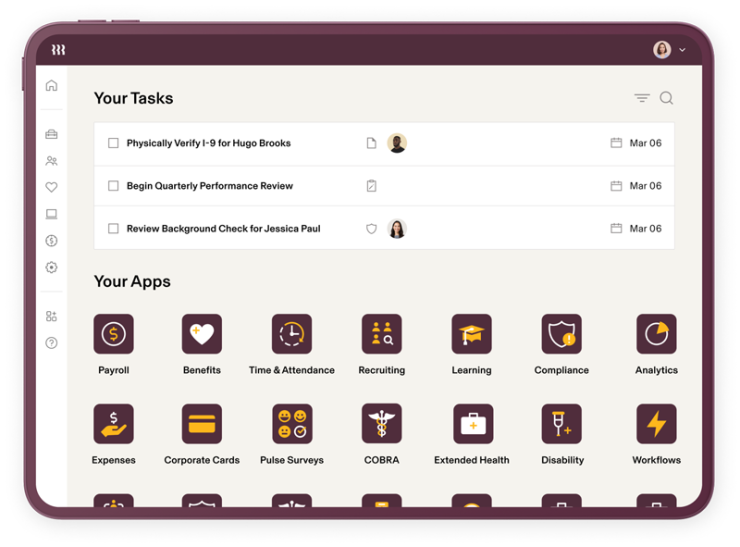
In today’s fast-paced business environment, many organizations have turned to HR software to streamline processes, improve employee engagement, and provide data-driven insights. Below are two compelling case studies that illustrate the successful implementation of HR software, the challenges faced during the process, and the measurable outcomes achieved.
Case Study: TechCorp’s Transition to Cloud-Based HR Software
TechCorp, a mid-sized technology firm, decided to implement a cloud-based HR software solution to replace its outdated manual processes. The primary challenge was the resistance from employees accustomed to the traditional methods. To overcome this, TechCorp initiated a comprehensive change management strategy that included training sessions, feedback loops, and open forums for discussion. The implementation took six months and involved input from various departments.
Key features adopted included automated payroll processing, employee self-service portals, and analytics for performance tracking. Post-implementation, TechCorp saw a significant decrease in payroll errors by 40% and an increase in employee satisfaction scores by 25%, as employees appreciated the ease of access to their information and the transparency in processes.
Case Study: Global Enterprises and the Integration of an All-in-One HR Platform
Global Enterprises, an international company with a diverse workforce, faced complications managing HR functions across multiple countries. Their challenge lay in the varying compliance requirements and cultural differences. To address this, they opted for an all-in-one HR platform that could centralize HR operations while accommodating local needs. During the implementation phase, the team experienced integration issues with existing systems and a lack of user engagement.
To tackle these obstacles, they established a dedicated project team that included HR, IT, and representatives from different regions to ensure the system met diverse requirements. The HR platform helped streamline recruitment, onboarding, and employee management processes. After one year, Global Enterprises reported a 30% reduction in time-to-hire and a 50% increase in employee retention rates, showcasing the platform’s effectiveness in enhancing HR efficiency.Both case studies exemplify the pivotal role of strategic planning, user involvement, and customization in the successful implementation of HR software.
The measurable outcomes not only demonstrate the software’s positive impact on operational efficiency but also highlight the importance of aligning HR technology with organizational goals.
Security and compliance considerations for HR software
Data security and compliance are paramount in the realm of human resource management software, given the sensitive nature of employee information. Organizations must prioritize these aspects when selecting HR software to ensure they protect employee data and adhere to legal regulations. A breach of data security can lead to severe consequences, including financial penalties and damage to an organization’s reputation.Compliance with regulations such as GDPR (General Data Protection Regulation), HIPAA (Health Insurance Portability and Accountability Act), and other local labor laws is crucial for HR software.
Each regulation has specific stipulations regarding how employee data must be handled, stored, and protected. Failure to comply can result in punitive measures, including hefty fines and legal actions against the organization, making it essential for businesses to understand and implement necessary compliance protocols.
Regulations impacting HR software
Various regulations dictate how HR software must operate concerning data security and employee privacy. Here are key regulations businesses should consider:
- GDPR: Enforces stringent data protection and privacy rules for individuals within the European Union. Organizations must ensure that personal data is collected legally and transparently and that data subjects have rights regarding their data.
- HIPAA: Specifically relevant for organizations within the healthcare sector, this regulation mandates the protection of sensitive patient information. HR software used in such settings must incorporate safeguards to ensure compliance.
- CCPA: The California Consumer Privacy Act provides California residents with rights regarding their personal information held by businesses. HR software must be equipped to manage these requests efficiently.
- FMLA: The Family and Medical Leave Act requires employers to keep certain information confidential and only share it with authorized personnel. HR software must facilitate this privacy requirement.
Understanding these regulations is critical as they dictate how organizations collect, store, and handle employee data, ultimately affecting the choice of HR software.
Best practices for data security
To ensure the security of sensitive employee data within HR software, organizations should adopt several best practices that mitigate risk and enhance compliance:
- Data encryption: Implement encryption for data at rest and during transmission. This ensures that sensitive information is protected from unauthorized access, even if intercepted.
- Access controls: Establish strict access controls that limit data access to authorized personnel only. Role-based access can help manage who sees what information.
- Regular audits: Conduct regular security audits and vulnerability assessments to identify and address potential security weaknesses in the HR software.
- Employee training: Provide ongoing training for employees on data security best practices, emphasizing the importance of safeguarding sensitive information.
- Incident response plan: Develop and maintain an incident response plan to effectively address any data breaches or security incidents promptly.
Implementing these best practices not only protects sensitive employee information but also fosters a culture of security awareness throughout the organization, further mitigating risks related to data breaches.
Supporting remote work with human resource management software
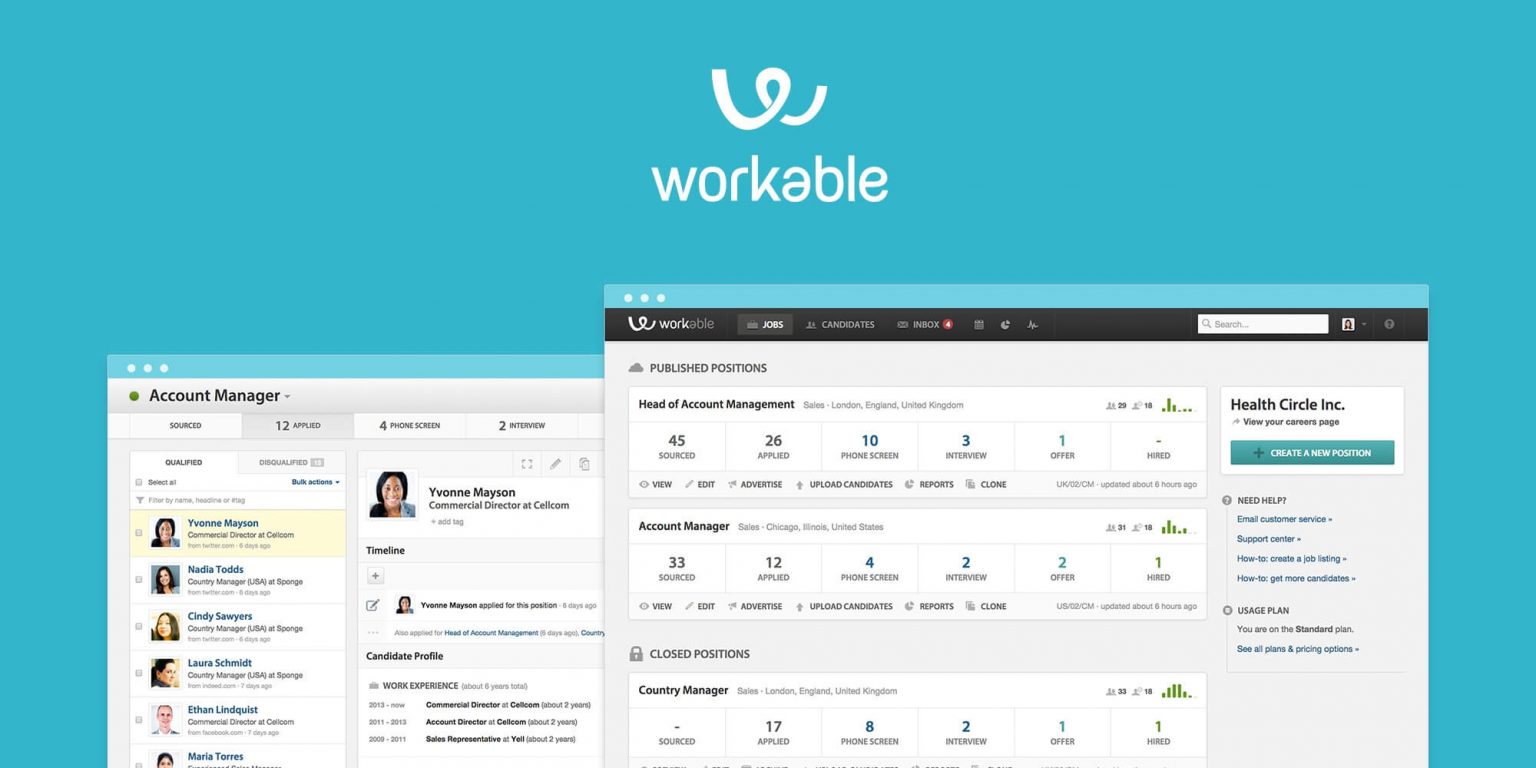
As more organizations embrace remote work, the role of human resource management software has evolved to ensure seamless collaboration and engagement among virtual teams. HR software provides essential tools that facilitate communication, performance tracking, and employee support, making it easier for organizations to adapt to new work environments.In today’s digital landscape, HR software is designed to support remote work by incorporating features that enhance productivity and connectivity among employees.
These tools are crucial in helping organizations manage a distributed workforce effectively, ensuring that team members remain engaged and supported regardless of their location. Key functionalities of HR software for remote work include communication tools, performance management systems, and employee engagement platforms that bring teams closer together.
Essential features for remote workforce engagement and support
To effectively support a remote workforce, HR software must include features that cater specifically to the needs of virtual teams. The following functionalities are particularly important for enhancing remote workforce engagement:
- Collaboration Tools: Integrated chat and video conferencing platforms allow team members to communicate in real-time, facilitating discussions and brainstorming sessions, replicating an office environment.
- Performance Management: Features that enable managers to set goals, conduct performance reviews, and provide regular feedback are vital for maintaining accountability and motivating remote employees.
- Employee Engagement Surveys: Tools to conduct regular surveys help organizations gauge employee satisfaction and gather insights on areas for improvement, thus fostering a sense of belonging.
- Time Tracking and Attendance: Remote work requires robust systems to track working hours and attendance, ensuring that employees maintain productivity and work-life balance.
- Training and Development: Online learning modules and resources empower employees to enhance their skills and advance their careers, even when working remotely.
Businesses have successfully leveraged HR software to adapt to remote work environments, showcasing its effectiveness in enhancing team dynamics and operational efficiency. For example, a prominent tech firm implemented an HR platform that included integrated communication tools and performance management features, resulting in a 30% increase in employee productivity within the first quarter of remote work. Similarly, a retail company utilized employee engagement surveys through their HR software to identify areas of concern among remote employees, allowing them to implement targeted initiatives that improved overall morale and connection among team members.By providing these crucial tools and capabilities, HR management software plays a significant role in ensuring organizations can support their remote workforce effectively, fostering a productive and engaged team culture.
Outcome Summary
In conclusion, selecting the best software for human resource management can significantly impact an organization’s efficiency and employee satisfaction. As we’ve discussed, various features and functionalities cater to different business needs, making it essential to evaluate options carefully. By implementing the right HR software, companies can not only navigate current challenges but also prepare for future trends in workforce management, ensuring they stay ahead in a competitive market.
FAQs
What is HR software?
HR software is a digital solution that helps organizations manage human resources functions like recruitment, payroll, and employee data management.
How does HR software improve efficiency?
By automating administrative tasks and providing centralized access to employee information, HR software reduces manual work and streamlines processes.
What types of businesses benefit from HR software?
All types of businesses, from small startups to large enterprises, can benefit from HR software tailored to their specific needs.
Is HR software secure?
Most reputable HR software providers prioritize data security and compliance, implementing measures to protect sensitive employee information.
Can HR software support remote work?
Yes, many HR software solutions include features that facilitate remote work, such as performance tracking and virtual team management tools.
