hr software for small companies is becoming essential for enhancing operational efficiencies and streamlining HR processes. As small businesses grapple with growth and employee management, the right HR software can be a game-changer, helping them automate tasks and focus on what truly matters—their people. In a landscape where every minute counts, investing in effective HR solutions can lead to significant improvements in productivity and employee satisfaction.
From managing payroll to tracking employee performance, HR software offers a comprehensive suite of tools that simplify complex processes, making it easier for small companies to operate like their larger counterparts. Moreover, navigating the challenges of hiring, employee onboarding, and compliance can be daunting without the right technology in place. Thus, understanding the pivotal role of HR software is crucial for any small business aiming for sustainable growth and a competitive edge in today’s market.
The Importance of HR Software for Small Companies
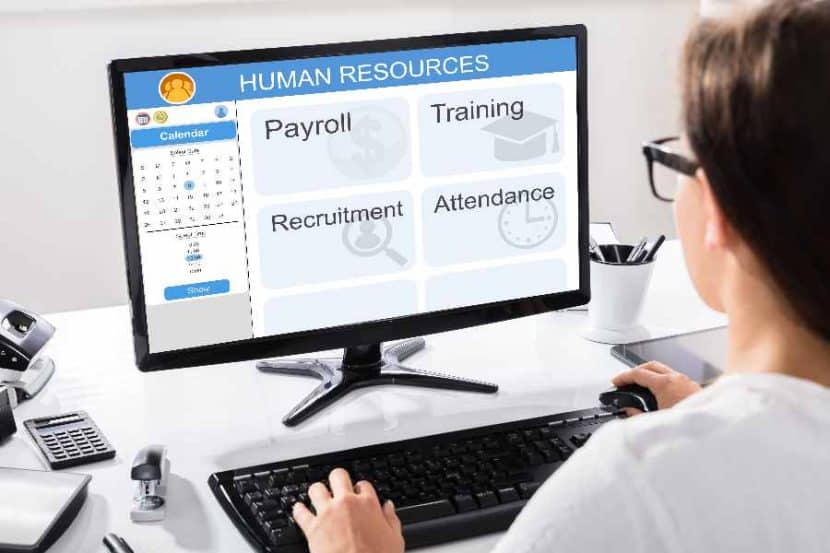
In today’s fast-paced business landscape, small companies must leverage every tool available to enhance their operational efficiency. Human Resources (HR) software plays a critical role in this mission. By automating numerous HR functions, this technology not only streamlines processes but also allows leaders to focus on strategic development rather than mundane tasks. For small businesses, where resources are often limited, HR software can be a game changer.The significance of HR software in enhancing operational efficiency cannot be overstated.
One of the most profound benefits lies in its ability to automate repetitive tasks. This includes activities such as employee onboarding, payroll processing, and performance evaluations. With these processes automated, small business owners can save valuable time and reduce the risk of human error. Furthermore, HR software can centralize employee data, making it easily accessible and manageable. By eliminating paper-based processes, companies can improve data accuracy and compliance, ultimately leading to better decision-making and risk management.
Challenges Faced by Small Companies Without HR Software, Hr software for small companies
Operating without HR software can present several challenges for small businesses. First and foremost, they can struggle with inefficiencies caused by manual processes. Time-consuming tasks like tracking employee attendance or managing leave requests can lead to frustration and decreased productivity. Additionally, without a dedicated HR system, small companies may face difficulties in maintaining compliance with labor laws, which can result in costly penalties.The lack of a centralized HR platform can lead to disorganization and errors in employee records.
Employee data may become fragmented across multiple systems or stored in physical files, making it difficult to retrieve essential information when needed. This not only hampers operational efficiency but can also negatively impact employee morale when issues arise that are not addressed promptly. Small businesses without HR software also miss out on valuable insights that data analytics can provide. Tracking employee performance trends and understanding workforce demographics is crucial for strategic planning and growth.
By not utilizing HR software, companies risk stagnation, as they lack the tools to effectively analyze and respond to their changing workforce needs.
Key Areas of Contribution to Business Growth
HR software can significantly contribute to overall business growth in various key areas.
- Recruitment and Talent Acquisition: Streamlining the hiring process ensures that small businesses attract and retain the best talent. Automated job postings and applicant tracking can lead to quicker hires and improved candidate quality.
- Employee Engagement: Tools for performance management and feedback help foster a positive workplace culture. Engaged employees are more productive and less likely to leave, reducing turnover costs.
- Training and Development: HR software often includes learning management systems, enabling small companies to provide ongoing training opportunities. This investment in employee development pays off through enhanced skills and improved performance.
- Compliance Management: Keeping up with changing labor laws can be daunting for small businesses. HR software provides updates and tools to ensure compliance, reducing legal risks.
By focusing on these areas, small businesses can leverage HR software as a catalyst for growth, ensuring that they remain competitive and agile in an ever-evolving market.
Key Features to Look for in HR Software
When small companies are on the lookout for HR software, the multitude of options available can seem overwhelming. However, focusing on essential features can simplify the selection process. The right HR software can streamline operations, enhance employee engagement, and ultimately contribute to business growth. Below are key features to prioritize when selecting HR software that best suits the needs of small businesses.
User-Friendly Interface
A user-friendly interface is crucial for small businesses, where employees may not have extensive training in HR systems. Software with intuitive navigation helps in ensuring that all users, regardless of their tech-savviness, can effectively utilize the system. For example, platforms like Gusto and BambooHR are known for their clean, simple interfaces that make it easy for employees and HR professionals alike to access necessary features without a steep learning curve.
Employee Self-Service
Employee self-service capabilities allow employees to access their information, such as payslips, leave balances, and personal details, without needing to go through HR. This feature reduces administrative burden on HR staff and empowers employees. Software like Zenefits provides a comprehensive self-service portal, enabling employees to update their information and request time off seamlessly.
Payroll Management
An efficient payroll management system is integral for any HR software, particularly in small companies where accurate payroll processing is critical. Look for software that automates payroll calculations, tax deductions, and compliance updates. Options such as QuickBooks HR or Paychex offer robust payroll features that ensure employees are paid accurately and on time, reducing the potential for errors and enhancing employee satisfaction.
Performance Management Tools
Performance management tools help small businesses track employee performance through continuous feedback and goal-setting mechanisms. Features such as performance reviews and 360-degree feedback allow for a more holistic view of employee contributions. Software like Lattice and 15Five includes performance management features that simplify these processes, promoting a culture of continuous improvement and engagement.
Accessibility and Mobile Capability
With the rise of remote work and mobile devices, HR software should be accessible from various platforms, including mobile phones and tablets. This ensures that employees can access HR functionalities on-the-go. Software like Workday offers a mobile application that allows users to manage tasks from anywhere, enhancing flexibility for both employees and HR teams.
Integration with Other Tools
The capability to integrate with other business tools is essential for small companies looking to maintain a streamlined workflow. HR software should seamlessly connect with accounting software, project management tools, and communication platforms. For instance, platforms like ADP Workforce Now offer integrations with popular tools like Slack and Microsoft Teams, thereby enhancing collaboration and efficiency.
Scalability
Select HR software that can grow with your business. As your company expands, your HR needs will evolve, and having scalable software will prevent the need for a complete system overhaul. Software like Namely is designed with scalability in mind, offering various modules that can be added as your business needs change.Overall, when choosing HR software, focusing on these key features can ensure that small companies select a solution that not only meets their current needs but also adapts as the business grows and changes.
Cost Considerations for Implementing HR Software: Hr Software For Small Companies
Implementing HR software in small companies is an investment that comes with various cost considerations. Understanding these costs is crucial for effective budgeting and ensuring that your business can leverage the benefits of such a system without straining finances. From initial setup expenses to ongoing subscription fees, grasping the full financial scope is essential for decision-makers in small businesses.The costs associated with implementing HR software can typically be split into upfront and ongoing expenses.
Upfront costs usually encompass software purchase or subscription fees, setup fees, and possibly hardware investments if needed. Ongoing costs primarily consist of subscription renewals, maintenance, support services, and periodic training for staff. It’s important to factor these expenses into your budget to avoid unexpected financial strain. For instance, while some HR software solutions may appear inexpensive initially, hidden costs can accumulate over time, making them less appealing in the long run.
Potential Costs of HR Software Solutions
When considering various HR software options, it’s important to compare the features and associated costs. Here’s a comparative table outlining potential costs of several popular HR software solutions for small businesses:
| HR Software | Setup Cost | Monthly Subscription Fee | Annual Cost Estimate |
|---|---|---|---|
| Gusto | $0 | $39 + $6 per employee | Approximately $780 (for 10 employees) |
| Zenefits | $0 | $10 per employee | Approximately $1,200 (for 10 employees) |
| Paychex | $100 | $30 per employee | Approximately $4,020 (for 10 employees) |
| BambooHR | $0 | $99 + $8 per employee | Approximately $1,479 (for 10 employees) |
In addition to direct costs, consider potential hidden expenses, such as the time spent on training employees to use the software effectively or the costs associated with migrating existing data to the new system.
The true value of HR software is not merely in its purchase price but in the time and cost savings it can facilitate for small businesses.
By understanding these various cost factors, small companies can make informed decisions and select HR software solutions that not only fit their budget but also align with their operational needs.
The Impact of Cloud-Based HR Software on Small Businesses
Cloud-based HR software has revolutionized the way small businesses manage their human resources. Unlike traditional HR systems that require extensive physical infrastructure and on-premises installations, cloud solutions offer flexibility, scalability, and accessibility that small companies can leverage to thrive. With the rapid digital transformation across industries, adopting cloud-based HR software not only modernizes HR processes but also enhances overall business agility.One of the primary advantages of cloud-based HR software is its ability to scale effortlessly with the growth of a business.
As a small company expands, its HR needs evolve—new employees are hired, policies change, and compliance requirements may shift. Cloud-based solutions allow for seamless updates and modifications without the need for significant upfront investments or extensive IT support. This means that small businesses can adjust their HR capabilities as necessary, adding or removing features based on current demands. The subscription model often associated with cloud services also makes budgeting more predictable, allowing businesses to pay only for what they use.Accessibility is another critical benefit of cloud-based HR software.
With a cloud solution, HR teams and employees can access important information from anywhere at any time, as long as they have an internet connection. This is particularly valuable in today’s increasingly remote work environments, where traditional office setups are becoming less common. Employees can submit leave requests, update personal information, and access company resources without needing to be physically present in the office.
This level of accessibility helps streamline HR processes and enhances employee satisfaction, as it empowers staff to manage their HR needs independently.
Security Measures for Cloud-Based HR Solutions
While cloud-based HR software offers numerous benefits, it is essential to address the security measures necessary for protecting sensitive employee data. Cloud solutions can be vulnerable to data breaches and cyberattacks, so small businesses should consider implementing robust security protocols. Security measures to prioritize include:
- Data Encryption: Ensure that data is encrypted both in transit and at rest. This means that sensitive information is protected while being transmitted over the internet and when stored on servers.
- Access Controls: Implement strict user authentication and access controls to limit who can view or modify sensitive information. Role-based access can help ensure that employees only see the data relevant to their job functions.
- Regular Security Audits: Conduct regular security assessments and audits to identify and remediate vulnerabilities within the system. Keeping software updated with the latest security patches is crucial.
- Data Backup: Regularly back up HR data to prevent loss in case of a cyber incident. Cloud providers often offer automated backup solutions, but it’s vital to verify their reliability.
Cloud-based HR solutions greatly differ from traditional HR methods in several ways. Traditional HR approaches often rely on paper-based processes, which can be time-consuming and prone to error. Manual data entry is not only inefficient but can lead to inaccuracies in employee records, payroll discrepancies, and compliance issues. In contrast, cloud-based systems automate many of these processes, reducing the risk of human error and increasing overall efficiency.Another significant advantage is the integration capabilities of cloud-based HR software.
Many platforms allow for easy integration with other systems, such as payroll, accounting, and project management tools. This creates a more cohesive workflow and ensures that all departments are aligned, fostering better collaboration across the organization.In summary, cloud-based HR software provides small businesses with remarkable scalability and accessibility while ensuring data security through various protective measures. The shift from traditional methods to cloud-based solutions not only enhances operational efficiency but also positions small companies to adapt to changing market dynamics effectively.
Integration of HR Software with Existing Systems
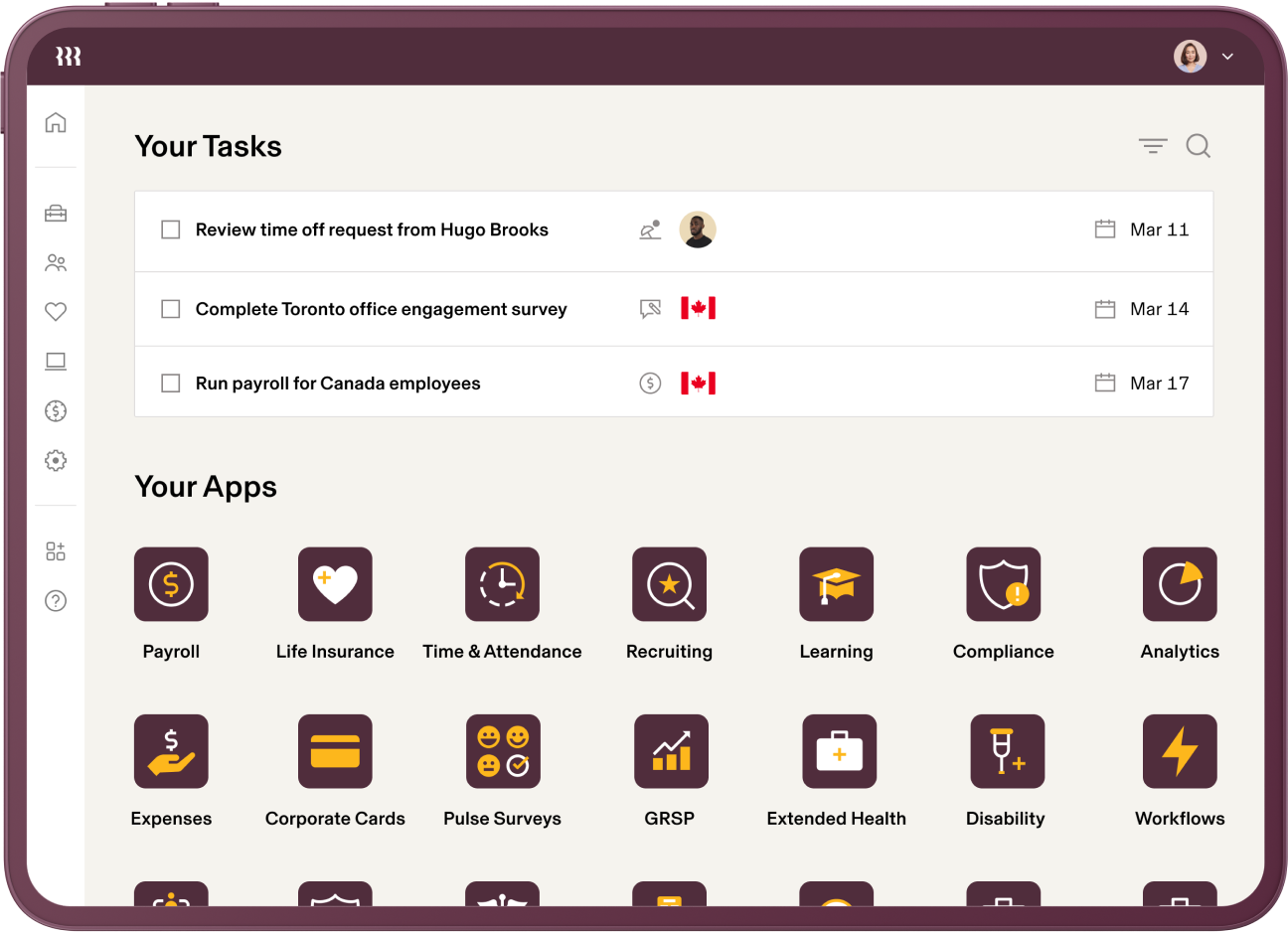
Ensuring that HR software can seamlessly integrate with existing business systems is crucial for small companies aiming to streamline their operations. When small businesses invest in HR software, they often overlook the importance of compatibility with current systems. A well-integrated HR solution not only optimizes processes but also enhances data accuracy and reduces redundancy.Small businesses typically use various software solutions for different functions, including accounting, project management, and customer relationship management (CRM).
Common platforms such as QuickBooks for accounting, Trello or Asana for project management, and Salesforce for CRM play vital roles in daily operations. HR software that can synchronize with these systems enables automatic data flow, which minimizes errors and saves time. For instance, whenever an employee is hired through the HR software, their information can directly populate the accounting system to streamline payroll processing.
This level of integration ensures that all departments are on the same page, which is essential for a cohesive workplace environment.Successful integration of HR software within an existing IT framework requires careful planning and execution. The following steps Artikel how to achieve this effectively:
Steps for Successful Integration
The integration process involves multiple phases, ensuring that the new HR software aligns with existing technology and meets business needs. Below are key steps to facilitate this process:
- Assess Current Systems: Identify the existing software and systems currently in use. Understanding how these systems operate will inform the integration process and highlight potential compatibility issues.
- Define Integration Goals: Establish clear objectives for what the integration should achieve. This includes determining which data needs to be shared, which systems will be connected, and the desired outcomes from the integration.
- Choose Compatible HR Software: Select HR software that explicitly states its capability to integrate with your existing systems. Look for solutions with open APIs, as these allow for easier connections and data exchanges.
- Develop a Data Migration Plan: Create a strategy for transferring existing employee data into the new system. This should include data cleaning and validation to ensure accuracy and consistency.
- Implement Integration Step by Step: Rather than integrating everything at once, take a phased approach. Start with critical systems and gradually expand to include additional applications as needed.
- Conduct Testing: Prior to full implementation, conduct thorough testing of the integrated systems to identify and address any issues. This helps in ensuring that all systems work together smoothly.
- Train Employees: Equip your team with the necessary training on the new software and integration processes. Employees should be comfortable navigating the integrated system to maximize its benefits.
Integrating HR software with existing systems not only improves workflow efficiency but also enhances the overall productivity of the organization. By taking these steps, small businesses can foster a more cohesive working environment that leverages technology effectively.
User Adoption and Training for HR Software
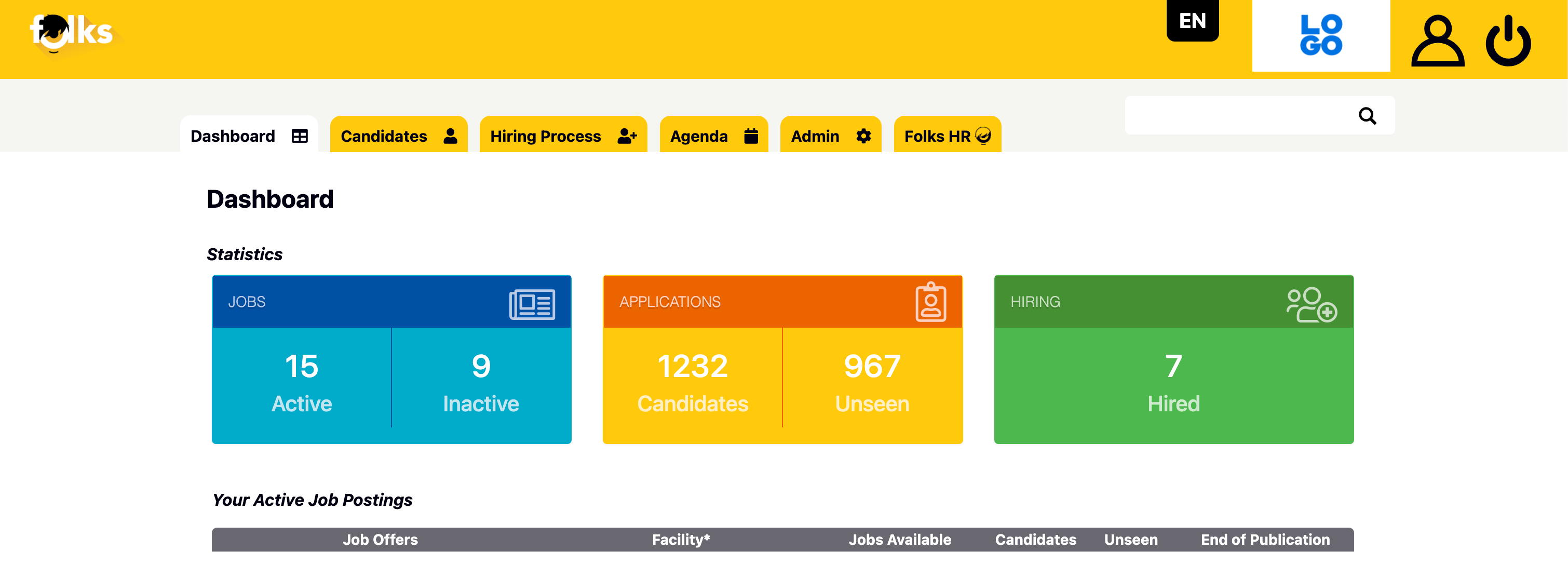
User adoption is a critical factor in the successful implementation of HR software in small companies. The effectiveness of any new system is largely determined by how well the employees embrace and utilize it. Without proper adoption, the investment in HR software may not yield the expected benefits, such as improved efficiency and streamlined processes. Ensuring that employees feel comfortable and confident using the software is essential to maximize its potential.Effective training strategies play a significant role in facilitating user adoption.
When employees receive proper training, they are more likely to engage with the software and utilize its features to their fullest extent. Here are some effective training methods and resources that can help ensure that employees are comfortable:
Effective Training Methods
A well-structured training program can make a substantial difference in the user experience. Consider the following methods to enhance training effectiveness:
- Hands-on Workshops: Interactive workshops allow employees to use the software in real-time, providing immediate support and feedback. This practical approach helps in cementing their understanding.
- Online Tutorial Videos: Short, focused videos can serve as excellent resources for employees to refer back to as needed. These videos can cover specific tasks or functionalities within the software.
- User Manuals and Guides: Comprehensive user manuals that are easy to read and understand are invaluable. They can serve as a reference point for employees when they encounter challenges.
- Train-the-Trainer Programs: Designating super users or champions within the organization can create a support network. These individuals can assist their peers and foster a culture of learning and adaptation.
- Regular Check-ins and Feedback Sessions: Ongoing support and open lines of communication help address any concerns. Regular check-ins can facilitate discussions about challenges and successes in using the software.
Identifying and overcoming common barriers to adoption is crucial for a smooth transition. Some common barriers include:
Common Barriers to Adoption
It’s essential to recognize potential obstacles to user adoption early on. The following are frequent challenges that small companies face, along with ways to effectively overcome them:
- Resistance to Change: Employees may be accustomed to existing processes. To combat this, emphasize the benefits of the new software and how it simplifies tasks. Sharing success stories from other companies can also provide encouragement.
- Lack of Time for Training: Busy schedules can impede training efforts. Incorporating training into regular work hours or during onboarding can alleviate this issue and ensure everyone receives the support they need.
- Insufficient Support from Management: Leadership buy-in is critical. Ensure that management advocates for the software and participates in training sessions, demonstrating its importance to the organization.
- Complexity of the Software: If users find the software overwhelming, offer additional resources and support. Focusing on the most used features first can help build confidence before exploring advanced functionalities.
“User adoption is not just a phase; it is a continuous journey that involves commitment from both employees and management.”
By focusing on user adoption and providing adequate training resources, small companies can significantly enhance their HR software implementation experience. This proactive approach fosters a culture of acceptance and empowers employees to leverage the software’s full potential for the organization’s benefit.
Case Studies of Small Companies Successfully Using HR Software
Many small companies have discovered the transformative impact of HR software on their operations. The right software can streamline processes, enhance employee engagement, and provide valuable insights into workforce management. Below, we explore specific examples of small businesses that successfully implemented HR software, detailing the specific tools they utilized and the measurable outcomes they experienced.
Small Business Success Stories
The case studies below highlight the journeys of small companies that have embraced HR software to improve efficiency and foster a better workplace environment. Each case provides insights into the chosen software and the resulting benefits.
| Company Name | HR Software Used | Key Outcomes |
|---|---|---|
| Green Thumb Landscaping | Gusto |
Gusto provided integrated payroll and benefits management, which allowed Green Thumb to focus on client projects rather than administrative tasks. |
| Techie Toys | BambooHR |
BambooHR’s user-friendly platform simplified onboarding and offboarding, making new hires feel welcomed and supported from day one. |
| Design Co. | Zenefits |
Zenefits streamlined HR processes, enabling Design Co. to allocate more resources towards creative projects and business development. |
| HealthWise Clinics | Workday |
Workday’s comprehensive reporting features helped HealthWise Clinics maintain compliance and ensure accurate record-keeping. |
These case studies illustrate that choosing the right HR software can lead to significant improvements in efficiency, employee satisfaction, and overall company performance.
By harnessing technology, small businesses can focus more on growth and innovation, ultimately leading to a more robust and productive workplace.
Future Trends in HR Software for Small Companies
The landscape of HR software is continually evolving, particularly for small businesses that seek to streamline operations and enhance employee experiences. As technology advances, small companies must stay ahead of the curve and adapt to new trends that can significantly influence their HR processes. This section explores emerging trends in HR software, highlighting the implications of artificial intelligence (AI) and machine learning while predicting how these technologies will evolve over time.One of the most significant trends in HR software is the increasing integration of AI and machine learning.
These technologies are transforming HR processes by automating routine tasks, analyzing data to provide insights, and improving decision-making. For small companies with limited resources, AI can level the playing field, enabling them to compete more effectively with larger organizations.
Implications of AI and Machine Learning on HR Processes
AI and machine learning are set to revolutionize how small businesses manage their human resources. Here are several key implications:
- Enhanced Recruitment Processes: AI-powered tools can screen resumes, conduct initial interviews via chatbots, and analyze candidate data to identify the best fits for job openings quickly.
- Employee Engagement and Retention: Machine learning algorithms can analyze employee feedback and engagement levels, allowing HR to proactively address potential retention issues before they escalate.
- Personalized Employee Development: These technologies can create tailored training programs based on individual performance data, helping employees grow in their roles and increasing overall satisfaction.
- Efficient Administrative Tasks: Automation of routine HR tasks, such as payroll processing and benefits administration, frees up HR professionals to focus on strategic initiatives rather than mundane paperwork.
The integration of AI not only streamlines operations but also provides valuable insights that can shape HR strategies. Predictive analytics, for example, can help businesses forecast turnover rates and workforce needs, allowing for better planning and resource allocation.
Predictions for the Evolution of HR Software
Looking ahead, several predictions can be made regarding the evolution of HR software for small companies. As technology continues to advance, the following trends are likely to emerge:
- Hyper-Personalization: HR software will increasingly leverage AI to deliver highly personalized experiences for employees, from onboarding to career development, tailored to individual preferences and career paths.
- Increased Focus on Employee Well-being: Integrating wellness programs and mental health resources into HR platforms will become standard, promoting a holistic approach to employee health.
- Remote Work Integration: With remote work becoming commonplace, HR software will evolve to include features that support virtual teams, such as collaboration tools and remote performance management systems.
- Data Privacy and Security Enhancements: As data breaches become more prevalent, HR software will prioritize advanced security measures to protect sensitive employee information.
- Collaboration with Other Business Systems: Greater emphasis will be placed on integrating HR software seamlessly with other business platforms, such as project management and finance systems, to ensure a unified approach to business operations.
These trends illustrate a shift towards more intelligent, employee-centric HR solutions that empower small businesses to enhance their HR capabilities while driving growth and engagement in an increasingly competitive landscape. As small companies adopt these advancements, they will not only streamline their HR functions but also create more dynamic and fulfilling workplace environments.
End of Discussion
In summary, hr software for small companies serves as a vital resource in transforming how small businesses manage their human resources. By addressing inefficiencies, aiding compliance, and facilitating employee engagement, these tools not only simplify HR tasks but also drive business growth. As technology continues to evolve, embracing these solutions will be key for small companies looking to thrive in a competitive environment.
FAQ Guide
What are the benefits of HR software for small companies?
HR software helps automate tasks, improve compliance, and enhance employee engagement, leading to better operational efficiency.
Is HR software expensive for small businesses?
While costs vary, many HR software solutions offer scalable pricing to fit small business budgets, including subscription models.
How can small companies ensure user adoption of HR software?
Providing effective training and support, along with involving employees in the selection process, can enhance user adoption.
What features should small businesses prioritize in HR software?
Key features include user-friendly interfaces, payroll management, performance tracking, and integration capabilities with existing systems.
Can HR software be integrated with other business systems?
Yes, many HR software solutions are designed to integrate seamlessly with accounting, CRM, and project management software.
