hr management systems for small business are revolutionizing the way small enterprises manage their most valuable asset: their people. In an increasingly competitive landscape, having the right HR tools can significantly boost efficiency and streamline operations. Small businesses often face unique challenges, from limited resources to the need for scalable solutions, making it essential to understand how effective HR management systems can address these issues.
By automating processes and improving data management, these systems not only save time but also enhance decision-making capabilities, paving the way for growth and success.
With various features designed specifically for small businesses, these HR solutions help manage everything from payroll to performance reviews seamlessly. As we explore the intricacies of HR management systems, it’s clear that they are no longer a luxury but a necessity for small businesses aiming to thrive in today’s dynamic work environment.
Understanding the Importance of HR Management Systems for Small Businesses
In the fast-paced world of small businesses, the efficiency of operations is paramount. One of the key factors that can significantly enhance this efficiency is the implementation of Human Resource Management Systems (HRMS). These systems serve as vital tools for managing employee records, payroll, recruitment, and compliance with labor laws. Their role in streamlining processes cannot be overstated, especially for small enterprises where resources and time are often limited.HR management systems play a pivotal role in enhancing small business efficiency by automating routine tasks that would otherwise consume valuable time and effort.
For instance, instead of manually tracking employee attendance or calculating payroll, an HRMS can handle these functions automatically. This automation not only reduces the likelihood of errors but also frees up HR personnel to focus on more strategic initiatives, such as employee development and engagement. Additionally, HRMS provides a centralized platform where all employee information is stored, which simplifies access to data and improves decision-making processes.
Key Features of HR Management Systems for Small Enterprises
The essential features of HR management systems cater specifically to the unique needs of small businesses. Understanding these features can help small business owners recognize the value HRMS brings to their operations.
1. Employee Self-Service Portals
These portals allow employees to manage personal information, view pay stubs, and request time off, reducing the administrative burden on HR teams.
2. Automated Payroll Processing
A reliable HRMS ensures accurate and timely payroll processing, including tax calculations and deductions, mitigating compliance risks.
3. Talent Acquisition and Recruitment Tools
These tools streamline the hiring process by providing applicant tracking systems that simplify job posting, resume screening, and interview scheduling.
4. Performance Management Modules
HRMS often includes features for setting performance goals, conducting evaluations, and providing feedback, which are crucial for employee growth and satisfaction.
5. Compliance Management
HRMS helps small businesses stay compliant with labor laws by keeping track of regulations and automating necessary reporting.Without proper HR management tools, small businesses face numerous challenges that can hinder their growth. The absence of an organized system can result in inefficiencies such as misplaced employee records, irregular payroll processing, and increased compliance risks. Moreover, without streamlined recruitment processes, small businesses may struggle to attract and retain top talent.
This can lead to high turnover rates, which is particularly detrimental for small enterprises that rely heavily on a stable workforce.
“The integration of HRMS can be a game-changer for small businesses, transforming HR from a back-office function into a strategic partner.”
Key Features of Effective HR Management Systems for Small Business
For small businesses, an effective HR management system can be a game changer. It streamlines processes, saves time, and allows for a more organized approach to managing human resources. With the right system in place, businesses can enhance their efficiency, ensure compliance with laws, and foster a productive workplace culture. A well-structured HR management system should incorporate functionalities that cater specifically to the unique needs of small businesses.
Below are must-have features that enhance the overall functionality and usability of HR systems.
Essential Functionalities for Small Business HR Management Systems
When selecting an HR management system, small businesses should prioritize features that offer the greatest benefit to their operations. Here are the top functionalities that are essential:
- Automated Payroll Processing: Automated payroll minimizes errors and saves valuable time. It allows businesses to calculate salaries, taxes, and deductions automatically, ensuring compliance with tax regulations. This feature is crucial as it reduces the human error factor associated with manual payroll processing.
- Employee Self-Service Portal: An employee self-service portal enhances employee engagement by allowing them to manage their own information, such as updating personal details, accessing pay stubs, and requesting time off. This functionality empowers employees and reduces the administrative burden on HR staff.
- Time and Attendance Tracking: Efficient time tracking helps businesses monitor employee attendance and productivity. This feature can integrate with payroll systems to ensure accurate compensation and prevent time theft, which is particularly important for small businesses operating with tight budgets.
- Recruitment and Applicant Tracking: Streamlined recruitment processes allow small businesses to find and hire the right talent quickly. An applicant tracking system can help manage job postings, track applicants, and simplify the selection process.
- Performance Management Tools: Performance management features facilitate regular evaluations and feedback between managers and employees. This supports talent development and ensures that goals align with business objectives, fostering a culture of continuous improvement.
- Compliance Management: Compliance features help small businesses stay informed about labor laws and regulations. They can provide updates on legal requirements and help manage necessary documentation, thereby reducing the risk of costly penalties.
The importance of automated payroll processing should be particularly emphasized in the context of small businesses. Relying on manual payroll processing can lead to inaccuracies, missed tax deadlines, and ultimately, financial loss. The complexities of payroll laws and regulations require precision that manual methods cannot always guarantee. In contrast, automated payroll systems not only streamline calculations but also ensure timely payments and tax submissions, which is vital for maintaining employee trust and satisfaction.
“Automating payroll processing can save small businesses up to 40 hours a month, allowing them to focus on growth and employee engagement.”
In summary, the right HR management system provides a suite of tools that not only enhances operational efficiency but also significantly improves employee experience. Small businesses that invest in these key features will likely see a positive impact on their overall productivity and workplace culture.
Cost Considerations When Implementing HR Management Systems
Implementing an HR management system (HRMS) is a strategic move for small businesses, but understanding the associated costs is crucial for making informed decisions. Small businesses must evaluate not only the initial investment but also the ongoing expenses to ensure that the benefits outweigh the costs. This section breaks down the typical costs and discusses the potential returns from adopting HR management solutions.The costs associated with HR management systems can vary widely depending on the features, complexity, and vendor.
Generally, small businesses can expect several key costs:
Software Licensing Fees
Most HRMS solutions operate on a subscription basis, with monthly or annual fees. These can range from $10 to $100 per employee per month, depending on the provider and features included.
Setup and Implementation Costs
Initial setup often includes data migration, integration with existing systems, and employee training. This can be a one-time cost that averages between $1,000 and $5,000, depending on the size of the business and the complexity of the system.
Maintenance and Support Fees
Ongoing support and updates are essential for ensuring the HRMS runs smoothly. This may involve additional monthly fees or can be included in the subscription, typically ranging from $100 to $500 annually.
Additional Features
Many vendors offer add-ons for specialized functions such as applicant tracking, payroll processing, or performance management, which can increase overall costs.
Investing in an HR management system can yield significant returns by streamlining HR processes, reducing time spent on administrative tasks, and enhancing employee satisfaction.
Small businesses can expect a favorable return on investment (ROI) when implementing HRMS. By improving efficiency, these systems reduce the time HR staff spends on routine tasks. For instance, automating payroll processing can save several hours each month, allowing HR personnel to focus on strategic initiatives. According to a study by the Society for Human Resource Management (SHRM), companies that implement HR technology can see a 20-30% reduction in HR administrative costs over time.Several budget-friendly HR systems cater specifically to small enterprises.
Notable examples include:
Gusto
Ideal for small businesses, offering payroll, benefits, and compliance features starting at $39 per month plus $6 per employee.
BambooHR
Designed for small to medium-sized businesses, BambooHR provides an intuitive interface for managing employee data, with plans starting around $99 per month.
Zoho People
A cost-effective solution with basic HR functionalities, pricing starts at $1 per employee per month, making it ideal for startups and small teams.By carefully considering these cost components, small businesses can successfully implement an HR management system that drives efficiency and supports growth.
Choosing the Right HR Management System for Your Small Business
Selecting an HR management system is a crucial decision for any small business, as it can significantly influence the efficiency of HR processes and overall workplace productivity. A well-chosen system not only meets current needs but also aligns with future growth aspirations, helping to streamline operations and enhance employee engagement.When it comes to choosing the right HR management system, several criteria should be taken into account to ensure the selected solution is both effective and user-friendly for small businesses.
Criteria for Selecting an HR Management System, Hr management systems for small business
Identifying the right HR management system involves careful consideration of multiple factors. Here are three essential criteria to keep in mind:
- User-Friendliness: The system should have an intuitive interface that makes it easy for all employees to navigate and utilize without requiring extensive training.
- Integration Capabilities: Ensure that the system can seamlessly integrate with existing tools and platforms your business already uses, such as payroll, accounting software, and project management tools.
- Customer Support: Reliable customer support is vital. Look for vendors that offer comprehensive support options like live chat, phone support, and extensive FAQs to assist with any potential issues.
Comparative Analysis of Popular HR Systems for Small Enterprises
Several HR management systems are tailored for small businesses, each with its unique offerings. Below is a comparative analysis of three popular systems, highlighting their pros and cons:
| HR System | Pros | Cons |
|---|---|---|
| Gusto |
|
|
| Zenefits |
|
|
| BambooHR |
|
|
Assessing Scalability of HR Management Systems
Scalability is a critical factor when evaluating HR management systems for small businesses, particularly for those anticipating growth. Businesses should consider the following aspects to gauge scalability:
- Feature Expansion: The system should allow for the addition of new features and functionalities as the business grows. This flexibility can prevent the need for a complete system overhaul.
- User Capacity: Verify whether the system can handle an increasing number of users and if there are any limitations on the number of employee profiles it can manage.
- Integration with Advanced Tools: As the company expands, it may require integration with more sophisticated tools. Ensure the HR system supports this transition smoothly.
Implementation Strategies for HR Management Systems in Small Business

Implementing an HR management system can seem daunting for small businesses, but with the right approach, it can streamline operations and enhance employee satisfaction. A well-structured implementation strategy is essential to ensure that the transition is smooth, efficient, and beneficial for the organization. The following step-by-step plan provides a roadmap for small businesses looking to effectively implement an HR management system.
Each step is designed to address key elements of the implementation process, ensuring that the chosen system aligns with the business’s goals and employee needs.
Step-by-Step Implementation Plan
The first stage of the implementation involves careful planning and assessment to ensure alignment with business goals. Key steps include:
1. Assess Current HR Processes
Evaluate your existing HR processes to identify areas for improvement. Take note of inefficiencies, challenges employees face, and the current tools you use. Understanding these aspects will help you determine what features are essential in your new HR system.
2. Set Clear Objectives
Define what you aim to achieve with the new HR management system. Whether it’s improving employee onboarding, enhancing payroll accuracy, or streamlining performance evaluations, having clear objectives will guide your selection and implementation process.
3. Involve Stakeholders Early
Engage key stakeholders from various departments, such as finance, operations, and IT. Their insights will help you understand specific needs and encourage buy-in from all parts of the organization.
4. Research and Select the Right System
Investigate different HR systems available in the market. Compare features, pricing, and user reviews. Ensure that the system you choose is scalable, user-friendly, and can integrate with existing tools the business already uses.
5. Plan the Implementation Timeline
Develop a timeline that Artikels each phase of the implementation process, including milestones and deadlines. This will help keep the project on track and ensure that everyone involved is aware of progress and responsibilities.
6. Data Migration Strategy
Plan for data migration from existing systems to the new HR management system. This includes employee records, payroll data, and benefits information. Ensure that data is cleaned and organized before migration to avoid complications.
7. Pilot Testing
Implement the HR system on a trial basis with a small group of users. This pilot phase will help identify issues or concerns before full-scale deployment. Gather feedback from pilot users to make necessary adjustments.
8. Full-Scale Implementation
Once any issues identified during the pilot are resolved, roll out the system to the entire organization. Ensure that all employees have access to the system and understand how to use it effectively.
9. Training and Support
Provide comprehensive training to employees on how to navigate the new system. Offer resources such as manuals, video tutorials, and workshops. Establish a support system to address any questions or issues that arise post-implementation.1
0. Monitor and Evaluate
After implementation, continuously monitor the system’s performance and gather feedback from users. Evaluate whether the system is meeting the objectives set at the beginning of the process and make adjustments as necessary.
Common Pitfalls and Avoidance Strategies
Many businesses encounter pitfalls during the implementation of HR management systems, but awareness can lead to avoidance. Common pitfalls include:
Inadequate Planning
Skipping thorough planning can lead to misalignment between the system and company needs. Ensure that you allocate ample time for planning and stakeholder input.
Neglecting User Training
Failing to train employees adequately can result in low adoption rates. Investing in training ensures employees feel comfortable and competent using the new system.
Ignoring Change Management
Change can be challenging for employees. Communicating the benefits of the new system and involving employees in the process can ease the transition.
Training and Support Requirements
Adequate training and ongoing support are crucial for the successful adoption of a new HR management system. It’s important to implement a multi-faceted training approach to suit different learning preferences. Consider the following strategies:
Hands-On Workshops
Conduct interactive workshops where employees can practice using the system in real-time scenarios. This can help address any apprehensions about using new technology.
Online Resources
Create a library of online resources, such as video tutorials, FAQs, and user manuals. Making these resources easily accessible will empower employees to find answers independently.
Establish a Helpdesk
Set up a helpdesk or appoint HR champions who can assist employees with questions or issues. This support network will foster confidence in using the system and encourage ongoing learning.
Feedback Mechanism
Implement a method for employees to provide feedback about the system and training. This will help management make informed adjustments and demonstrate that employee input is valued during the transition.By strategically planning the implementation of an HR management system and addressing common pitfalls, small businesses can enjoy a seamless transition that enhances their HR processes and improves overall employee experience.
Evaluating the Success of HR Management Systems in Small Businesses
Evaluating the effectiveness of HR management systems in small businesses is crucial for optimizing human resources and ensuring strategic alignment with business goals. Initially implemented to streamline HR processes, these systems must be regularly assessed to confirm they meet the evolving needs of the organization. This evaluation helps businesses understand their strengths and areas for improvement, ensuring that the HR system continues to provide value as the company grows.The success of HR management systems can be measured through various metrics.
These metrics not only provide quantitative data but also offer insights into employee satisfaction, recruitment efficacy, and overall operational efficiency.
Key Metrics for Measuring HR Management System Effectiveness
When evaluating an HR management system, consider the following metrics that can help gauge its effectiveness:
- Employee Turnover Rate: This metric indicates the percentage of employees who leave the organization over a specific period. A high turnover rate may suggest issues in employee satisfaction or ineffective recruitment processes.
- Time-to-Hire: This measures the time taken from when a job opening is posted until a candidate accepts an offer. Reducing the time-to-hire can demonstrate the efficiency of an HR management system in streamlining the recruitment process.
- Employee Engagement Scores: Often gathered through surveys, these scores reflect how committed and motivated employees are within the workplace. A higher engagement score typically correlates with a more effective HR management system that supports employee development and satisfaction.
Case studies can provide real-world examples of successful HR management system implementations in small businesses. For instance, a small marketing agency adopted an HR management system that automated payroll and benefits management, leading to a significant reduction in administrative time. As a result, the agency could focus more on strategic initiatives, ultimately increasing revenue by 20% within the first year.
Another compelling case is a local retail store that implemented an HR management system for employee scheduling and performance tracking. The store noticed a 15% increase in employee productivity and a 30% reduction in scheduling conflicts, directly contributing to improved customer satisfaction and sales growth.Ongoing evaluation of HR management systems is essential for sustained success. As businesses evolve, so do their HR needs and challenges.
Regular assessments can identify the need for system upgrades or new features that align with changing organizational goals. Additionally, collecting feedback from employees and stakeholders can inform necessary adjustments, ensuring the HR management system remains relevant and effective in supporting the business’s objectives. Continuous improvement in HR practices not only enhances operational efficiency but also strengthens employee engagement and retention.
Future Trends in HR Management Systems Relevant to Small Business
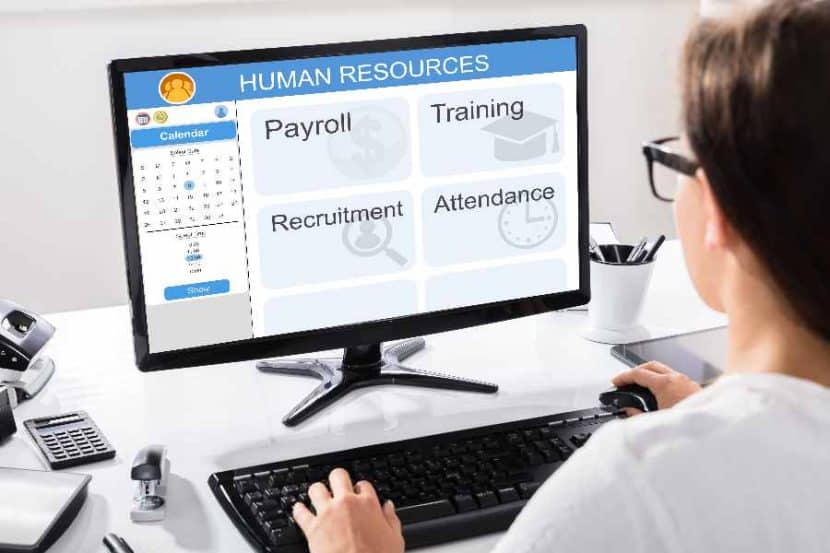
As small businesses continue to evolve in a rapidly changing landscape, the integration of advanced HR management systems becomes increasingly vital. The future of HR technology is shaped by innovations that not only streamline processes but also enhance the employee experience. Small businesses should remain vigilant in observing these emerging trends, as they can greatly influence operational efficiency and employee satisfaction.One of the most significant trends reshaping HR management systems is the rise of artificial intelligence (AI) and automation.
These technologies are set to redefine how HR functions operate, making them more data-driven and efficient. AI can assist in various HR tasks, from recruitment to employee engagement, by offering predictive analytics that identify the best candidates and highlight engagement patterns. Automation can take over repetitive tasks such as payroll processing, benefits administration, and compliance tracking, freeing HR professionals to focus on strategic initiatives.
Impact of Artificial Intelligence and Automation
The influence of AI and automation on HR management systems is multifaceted, particularly for small enterprises. These tools can enhance the efficiency and effectiveness of HR operations in several ways:
Recruitment Optimization
AI algorithms can analyze resumes and match them with job descriptions, significantly reducing the time spent on candidate screening. For instance, platforms like HireVue leverage AI to assess video interviews, providing insights into a candidate’s soft skills and cultural fit.
Personalized Employee Experiences
AI-driven chatbots can provide immediate responses to employee queries, offering personalized information related to HR policies, benefits, and training opportunities. This allows small businesses to maintain high levels of employee engagement without overwhelming HR staff.
Performance Management
Advanced analytics can help small businesses track employee performance in real-time, enabling timely feedback and personalized development plans. For example, systems like Lattice use continuous feedback mechanisms to support employee growth and alignment with business goals.
Data-Driven Decision Making
With robust analytics, small businesses can make informed decisions around workforce planning, turnover predictions, and employee satisfaction, which are crucial for growth and sustainability.The future of HR management systems also includes innovative features designed specifically for small business environments. These developments are aimed at enhancing usability and accessibility:
Mobile-First Solutions
As remote work becomes more prevalent, HR systems are increasingly adopting mobile-friendly interfaces, allowing employees to access vital information on-the-go. This trend is particularly beneficial for small businesses with a geographically diverse workforce.
Integration with Other Business Tools
Future HR management systems will include seamless integrations with accounting software, project management tools, and communication platforms. This interoperability ensures a more cohesive workflow for small businesses.
Employee Self-Service Portals
Enhanced self-service capabilities empower employees to manage their own data, request time off, and access training materials independently, which promotes efficiency and engagement.As these trends continue to evolve, small businesses should remain proactive in adopting HR management systems that harness the power of AI and automation. By embracing these innovations, they can create a more agile, efficient, and employee-centered workplace that adapts to the needs of a changing workforce.
Concluding Remarks
In summary, implementing an HR management system tailored for small businesses is a strategic move that can lead to enhanced productivity and employee satisfaction. By understanding the key features, cost considerations, and future trends, small business owners can make informed decisions that will benefit their operations in the long run. As the landscape of HR technology continues to evolve, staying ahead of the curve will ensure that small businesses not only survive but flourish in an ever-changing marketplace.
FAQ Compilation: Hr Management Systems For Small Business
What are the benefits of HR management systems for small businesses?
HR management systems streamline HR tasks, improve data accuracy, enhance compliance, and save time, allowing small business owners to focus on growth.
How much do HR management systems typically cost?
Costs can vary widely depending on features and vendors, but many affordable options are available that cater specifically to small businesses.
Can small businesses afford to implement an HR management system?
Yes, many HR systems are designed with small business budgets in mind, offering scalable solutions that provide a good return on investment.
How do I choose the right HR management system for my small business?
Consider factors like ease of use, scalability, customer support, and specific features that align with your business needs.
What features should I look for in an HR management system?
Key features include payroll processing, employee records management, performance tracking, and recruitment tools, all tailored to the needs of small businesses.
